Knowledge Base
Mi a fröccsöntés?
A fröccsöntés olyan gyártási eljárás, amellyel nagy pontosságú műanyag alkatrészek készíthetők. A kozmetikai csomagolásban gyakran alkalmazzák záróelemek, külső kupakok és szűkítőbetétek gyártására.
A műanyag granulátumot egy fűtött hengerbe és csigába adagolják, ahol megolvad, majd nagy nyomással egy vízhűtéses szerszámba fröccsöntik. A szerszám több mozgó alkatrészt is tartalmazhat, és egy záróegység tartja zárva, hogy ellenálljon a fröccsöntési nyomásnak.
Miután a műanyag kitöltötte a szerszám üregét, lehűl és megszilárdul a kívánt formára. A megfelelő hűtés után a szerszám kinyílik, és a kész alkatrészt eltávolítják. Ezután a folyamat megismételhető.
A fröccsöntéshez használt anyagok
A polipropilén (PP) a fröccsöntés egyik leggyakrabban használt alapanyaga. Több típusa létezik, amelyek eltérő tulajdonságokkal rendelkeznek.
PP homopolimer
A PP homopolimert gyakran használják általános célú záróelemek fröccsöntésére.
PP random kopolimer
A random kopolimer kiváló átlátszóságot biztosíthat, ezért alkalmas lehet például külső kupakokhoz és élőzsanéros záróelemekhez, beleértve a flip-top kupakokat is.
PP blokk-kopolimer
A blokk-kopolimer általában kisebb átlátszóságot biztosít, ugyanakkor nagyobb ütésállóságot kínál. Ezért gyakran használják színezett alkatrészekhez, amelyeknél az átlátszóság kevésbé fontos.
Fröccsöntés a kozmetikai csomagolásban
A polipropilén különböző anyagokból, például HDPE-ből, PVC-ből vagy PETG-ből készült palackokkal együtt alkalmazva is előnyös lehet, mivel javíthatja az alkatrészek kompatibilitását és csökkentheti a két komponens közötti tapadási vagy illeszkedési problémákat.

Az injekciós nyújtó-fúvóformázás (Injection Stretch Blow Moulding, ISB) olyan gyártási eljárás, amellyel kiváló minőségű PET-tartályok készíthetők, az üveghez hasonló átlátszósággal.
Az ISB kevésbé átlátszó anyagok, például polipropilén (PP) feldolgozására is alkalmas lehet.
Gyártási folyamat
A gyártás a fröccsöntési szakasszal kezdődik, amely során az olvadt polimer egy szerszámüregbe kerül, és előformát (preformot) hoz létre. Ez egy üreges, kémcsőre emlékeztető műanyag test, amelynek nyakrésze és nyitott végén menete van.
Amikor az előformát a megfelelő hőmérsékletre kondicionálták, készen áll a nyújtásra és a kívánt formára történő fúvásra. Az előformát egy szerszámba helyezik, ahol egy rúd segítségével megnyújtják, majd kétféle légnyomás alkalmazásával körkörösen kifújják. A meghatározott hűtési idő után a szerszámok kinyílnak, és a kész palackot eltávolítják. A folyamat egy forgó szerszámkarusszelen párhuzamosan több szerszámmal is végezhető.
Az ISB a műanyag és az üveg alternatívája lehet
Mivel a műanyagok lágyabbak és alacsonyabb olvadásponttal rendelkeznek, a PET-palackok gyártása kevesebb energiát igényelhet, mint az üvegpalackoké. A PET újrahasznosítása is megoldható, és akár 100%-os PCR-tartalommal is előállítható.
A PET-termékek biopolimerek felhasználásával is előállíthatók, például cukornádalapú PET-ből. A megjelenés és a teljesítmény szempontjából megfelelő tulajdonságok mellett a PET-biopolimer ugyanabban az újrahasznosítási folyamban kezelhető, mint a hagyományos PET és a PCR-PET.
Milyen előnyei vannak ennek az eljárásnak?
A PET (polietilén-tereftalát) méretpontos palackformák előállítását teszi lehetővé, és számos szempontból alternatívát jelenthet az üveggel szemben.
Ezek közé tartoznak:
- Az üveghez hasonló átlátszóság
- Kisebb tömeg
- Gazdaságosabb termékszállítás
- Nagyobb törésállóság, ezáltal kisebb sérülés- és baleseti kockázat
- Nagyobb tartósság az üveghez képest
- Kiváló barrier tulajdonságok a szén-dioxiddal és oxigénnel szemben
- Alacsonyabb gyártási energiaigény
- Jó újrahasznosíthatóság
- A PET szitanyomással és hot stamping eljárással is dekorálható
Mi az INCI?
Az INCI (International Nomenclature Cosmetic Ingredient) a kozmetikai összetevők azonosítására használt, nemzetközileg elismert elnevezések rendszere. Az elnevezéseket az International Nomenclature Committee (INC) dolgozza ki, és a Personal Care Products Council (PCPC) teszi közzé az International Cosmetic Ingredient Dictionary and Handbook című kiadványban.
A rendszer célja, hogy egységes és harmonizált összetevőneveket biztosítson a különböző piacokon és szabályozási környezetekben.
Miért használják az INCI-neveket?
Az egységes elnevezési rendszer segít elkerülni a félreértéseket, amikor ugyanazt az összetevőt többféle kémiai, kereskedelmi vagy közhasználatú néven is ismerik.
Az INCI-nevek támogatják:
- kozmetikai összetevők jelölését
- formulázási és műszaki dokumentáció készítését
- biztonsági értékelést
- a szabályozási követelményeknek való megfelelést
- a tudományos és műszaki kommunikációt
- a nemkívánatos reakciókkal összefüggő összetevők azonosítását
- a kozmetikai termékek nemzetközi forgalmazását
A szabványosított név használata megkönnyíti, hogy a gyártók, tudományos szakemberek, hatóságok és fogyasztók ugyanazt az összetevőt különböző termékekben és piacokon is azonosítani tudják.
INCI-nevek és kozmetikai jelölés
Az INCI-nevek különösen fontosak a kozmetikai termék címkéjén feltüntetendő összetevőlista elkészítésekor. A nyersanyag beszállítói kereskedelmi neve vagy informális megnevezése helyett a megfelelő INCI-megnevezést kell használni.
Az INCI-név az összetevőt azonosítja, de önmagában nem írja le egy adott nyersanyag koncentrációját, minőségét, tisztaságát vagy eredetét.
Mit nem jelent az INCI-név?
Az, hogy egy összetevő rendelkezik INCI-névvel, nem jelenti azt, hogy az összetevőt kozmetikai felhasználásra engedélyezték.
Az INCI-név hozzárendelése önmagában nem igazolja, hogy az összetevő minden alkalmazásban biztonságos, vagy hogy használata megfelel egy adott ország vagy régió jogszabályainak.
Az összetevő biztonságosságát és szabályozási státuszát külön kell értékelni a tervezett felhasználás, koncentráció, formula és az alkalmazandó kozmetikai jogszabályok alapján.
Az INCI szerepe a kozmetikai termékfejlesztésben
A termékfejlesztés során az INCI-nevet általában más azonosítókkal és dokumentumokkal együtt veszik figyelembe, például a CAS Registry Numberrel, EC-számmal, nyersanyag-specifikációval, biztonsági adatlappal (SDS), műszaki dokumentációval és szabályozási státusszal.
Ezeknek az információknak az együttes használata segít biztosítani, hogy a megfelelő összetevőt használják, és azt megfelelően dokumentálják a formulázás, a biztonsági értékelés és a termékregisztráció teljes folyamatában.
Mi a hidrogén-peroxid?
A hidrogén-peroxid tiszta, színtelen folyadék, amelyet számos kozmetikai és testápolási termékben alkalmaznak. Különösen gyakori hajfestékekben, hajszőkítőkben, hajkondicionálókban, samponokban és hajöblítőkben, valamint fogfehérítő termékekben.
Kozmetikai alkalmazások
A hidrogén-peroxidot elsősorban oxidáló és antimikrobiális hatóanyagként alkalmazzák.
Oxidatív hajfestés során elősegíti a végső hajszínért felelős színes vegyületek kialakulását. Hajszőkítő termékekben oxidáló tulajdonságai hozzájárulnak a haj világosításának folyamatához.
Szájápolási termékekben a hidrogén-peroxid oxidálhatja a fogakon lévő elszíneződéseket, ezáltal hozzájárulhat a fogak fehérítéséhez.
Antimikrobiális összetevőként gátolhatja vagy elpusztíthatja a mikroorganizmusokat.
Egyéb felhasználások
A hidrogén-peroxidnak a kozmetikai iparon kívül is vannak alkalmazásai. Az eredeti forrás szerint élelmiszerekben antimikrobiális, oxidáló, redukáló és fehérítő anyagként is használják. Bizonyos fertőtlenítő készítményekben szintén alkalmazható.
Ingredient Information
INCI Name: Hydrogen Peroxide
References
Dweck, Anthony. Handbook of Cosmetic Ingredients: - their use, safety and toxicology (Dweck Books 5).
Mi a hidrolizált búzakeményítő?
A hidrolizált búzakeményítő búzakeményítőből savas, enzimes vagy egyéb hidrolízises eljárással előállított hidrolizátum. Természetes eredetű összetevőként búza-oligoszacharidokat tartalmaz, és hidratáló, valamint filmképző tulajdonságok kombinációját biztosítja.
Kozmetikai alkalmazások
A hidrolizált búzakeményítőt haj- és bőrkondicionáló összetevőként alkalmazzák. Nedvességegyensúlyt támogató és filmképző tulajdonságai többféle érzékszervi és funkcionális előnyt biztosíthatnak.
Hajápoló formulákban segíthet javítani a haj dússágát és kezelhetőségét. Bőrápoló termékekben hozzájárulhat a simább és puhább bőrérzethez.
A hidratáló és filmképző tulajdonságok kombinációja miatt a hidrolizált búzakeményítő különféle bőr- és hajápoló formulákban alkalmazható.
Biztonság
Az eredeti forrás szerint ettől a bevált haj- és bőrlágyító összetevőtől nem számoltak be káros hatásokról, és ilyen hatások nem várhatók.
Ingredient Information
INCI Name: Hydrolyzed Wheat Starch
References
Dweck, Anthony. Handbook of Cosmetic Ingredients: - their use, safety and toxicology (Dweck Books 5).
Mit jelent az In Vivo?
Az in vivo kifejezés jelentése „élőben”, és olyan vizsgálatokat jelöl, amelyeket élő szervezetben végeznek, nem pedig izolált laboratóriumi rendszerben.
A kozmetikai kutatásban az in vivo vizsgálatok kontrollált körülmények között, emberi önkéntesek bevonásával is történhetnek. Ilyenkor többek között a bőr hidratáltsága, rugalmassága, a transepidermális vízvesztés (TEWL), a termék hatásossága vagy a bőr tolerálhatósága értékelhető.
In Vivo módszerek a kozmetikában
Az in vivo vizsgálatok információt adhatnak arról, hogyan teljesít egy kozmetikai termék olyan körülmények között, amelyek közelebb állnak a tervezett használathoz. A vizsgálat kialakításától függően a méréseket a termék alkalmazása előtt és után is elvégezhetik, majd az eredményeket kiindulási vagy kontrollértékekkel hasonlíthatják össze.
Példák az értékelhető jellemzőkre:
- A bőr hidratáltsága
- A bőrbarrier tulajdonságai
- A bőr rugalmassága
- TEWL
- A finom vonalak és ráncok megjelenése
- A termék tolerálhatósága
In Vivo és In Vitro összehasonlítása
A fő különbség az, hogy hol végzik a vizsgálatot:
- In vivo: élő szervezetben, például emberi önkéntesen.
- In vitro: élő szervezeten kívül, izolált sejteket, szöveteket vagy más biológiai anyagokat használva.
Mindkét megközelítés hasznos információkat szolgáltathat, és a megfelelő módszer a vizsgálat konkrét céljától függ.
Mit jelent az in vitro?
Az in vitro kifejezés szó szerint „üvegben” jelent, és az élő szervezeten kívül, ellenőrzött laboratóriumi körülmények között végzett vizsgálatokra utal.
Az in vitro vizsgálatok során jellemzően izolált sejteket, szöveteket, szerveket vagy más biológiai komponenseket használnak, ahelyett hogy a vizsgálatot közvetlenül élő emberen vagy állaton végeznék.
In vitro módszerek a kozmetikában
Az in vitro módszerek a kozmetikai termékfejlesztés során az összetevők és késztermékek tulajdonságainak, teljesítményének vagy biztonságosságának vizsgálatára használhatók. A vizsgálat céljától függően információt adhatnak bizonyos biológiai válaszokról vagy meghatározott terméktulajdonságokról ellenőrzött laboratóriumi körülmények között.
A modern kozmetikai kutatás és laboratóriumi vizsgálatok fontos részét képezik, és kiegészíthetik a termékfejlesztés során alkalmazott egyéb vizsgálati módszereket.
In vitro és in vivo összehasonlítása
A fő különbség az, hogy hol végzik a vizsgálatot:
- In vitro: élő szervezeten kívül, izolált biológiai anyag felhasználásával.
- In vivo: élő szervezeten belül végzett vizsgálat.
A módszer kiválasztása a vizsgálat céljától és a szükséges információtól függ.
Mi az Imidazolidinyl Urea?
Az Imidazolidinyl Urea elsősorban antibakteriális hatású tartósítószer, míg gombaellenes aktivitása korlátozott. Az 1980-as évekbeli bevezetése óta széles körben alkalmazzák kozmetikai termékekben.
Vízben jól oldódik, és a bomlás minimalizálása érdekében 40 °C alatti hőmérsékleten célszerű a kozmetikai formulához hozzáadni. Hatásos marad viszonylag széles, körülbelül pH 3–9 közötti pH-tartományban.
Az Imidazolidinyl Urea főbb tulajdonságai
Antibakteriális hatás
Az Imidazolidinyl Urea elsősorban a baktériumok ellen hatásos, míg gombaellenes aktivitása korlátozott.
Vízoldhatóság
Jó vízoldhatósága miatt különösen alkalmas vizes bázisú kozmetikai formulákhoz.
Széles pH-tartományban való stabilitás
Tartósító hatását körülbelül pH 3–9 között megőrzi.
Hőérzékenység
A bomlás elkerülése érdekében az összetevőt 40 °C alatt célszerű a formulába bevinni.
Kozmetikai alkalmazások
Az Imidazolidinyl Urea különböző kozmetikai formulákban tartósítószerként alkalmazható. Tipikus alkalmazási koncentrációja körülbelül 0,2–0,5%, a formulától és az alkalmazandó szabályozási követelményektől függően.
Formulázási szempontok
Az Imidazolidinyl Urea egyik szempontja, hogy nagyon kis mennyiségű formaldehid felszabadítására képes. Ezt a tulajdonságot egyes formulázók és fogyasztók hátrányként értékelik.
Alkalmazása különböző piacokon szabályozási korlátozások alá eshet, ezért mindig ellenőrizni kell a tervezett termékre és piacra vonatkozó követelményeket.
Ingredient Information
INCI: Imidazolidinyl Urea
CAS: 39236-46-9
EINECS/EC: 254-372-6
References
Cosmetic Formulation Principles and Practice – Heather A.E. Benson, Michael S. Roberts, Vânia Rodrigues Leite-Silva, Kenneth A. Walters.
Mi az a hidrogél?
A hidrogélek hidrofil gélrendszerek, amelyek főként vízből vagy vizes-alkoholos elegyből és egy gélképző anyagból állnak. Jellemzően körülbelül 85–95% vizet tartalmaznak.
A gélképző anyag általában szerves polimer, például poliakrilsav (Carbopol), nátrium-karboximetil-cellulóz vagy nemionos cellulóz-éterek.
A hidrogélek tulajdonságai
A hidrogélek könnyű, könnyen eloszlatható textúrát biztosítanak, és felvitel után hűsítő érzetet keltenek, főként az oldószer elpárolgása miatt. Azonnali hidratáló érzetet is biztosíthatnak.
A magas víztartalom miatt a hidrogélek érzékenyek lehetnek a mikrobiológiai szennyeződésre, ezért megfelelő tartósítórendszert igényelnek.
Formulázási szempontok
Amikor a bőrre felvitt hidrogélből a víz elpárolog, a visszamaradó polimer ragacsos vagy filmképző érzetet hagyhat. Ezért a sűrítőanyag és az egyéb formulázási segédanyagok megválasztása jelentősen befolyásolja a végső érzékszervi tulajdonságokat.
A tartósabb alkalmazás érdekében nedvesítőszerek, például glicerin is beépíthetők a formulába, amelyek segíthetnek mérsékelni az oldószer elpárolgásával összefüggő szárító hatást. A kívánt textúra és bőrérzet eléréséhez elengedhetetlen a gélképző anyag, a nedvesítőszerek és az egyéb segédanyagok megfelelő kiválasztása és vizsgálata.
References
Handbook of Cosmetic Science and Technology – André O. Barel, Marc Paye, Howard I. Maibach.
Mi a hot stamping?
A hot stamping olyan nyomtatási és dekorációs eljárás, amely fűtött nyomóformával vagy stancoló szerszámmal fóliát vagy előszárított festéket visz át egy felületre.
Az eljárást széles körben alkalmazzák termékek dekorálására és személyre szabására, mivel különböző anyagokon és alkatrészeken is precíz, kiváló minőségű vizuális hatások alakíthatók ki.
Hogyan működik a hot stamping?
A folyamat során a gravírozott nyomóformát a szükséges hőmérsékletre melegítik, majd egy speciális stancolófóliához és a termék felületéhez préselik.
A hő és a nyomás együttes hatására a fólia kívánt része hozzátapad a termékhez. A fólia csak azokon a területeken kerül át, ahol a fűtött nyomóforma érintkezik a felülettel.
A hot stamping fóliák általában három fő rétegből állnak:
- Színezőréteg – pigmentet vagy fémes hatású anyagot tartalmazhat
- Tapadást biztosító réteg – elősegíti az átvitt anyag tapadását az alapfelülethez
- Leválasztóréteg – lehetővé teszi a fólia elválását a hordozórétegtől a stamping során
A berendezéstől és az alkalmazástól függően a hot stamping dombornyomott vagy háromdimenziós dekorációs hatások kialakítására is használható.
Hot stamping a kozmetikai csomagolásban
A hot stampinget gyakran alkalmazzák kozmetikai csomagolások dekorálására, különösen akkor, ha egy márka prémium vagy karakteres megjelenést szeretne kialakítani.
Alkalmazható például flakonokon, tégelyeken, kupakokon és más megfelelő felületeken. A fémes hatások, például az arany- és ezüstszínű felületek, gyakran jelennek meg logókon, termékneveken és egyéb dekorációs elemeken.
A technika más csomagolásdekorációs eljárásokkal is kombinálható összetettebb vizuális hatások létrehozására.
A hot stamping előnyei
A hot stamping precíz és hatékony módszert biztosít a termékfelületek dekorálására. Alkalmazásával kialakíthatók:
- Fémes és pigmentált felületek
- Precíz logók és feliratok
- Dekoratív minták
- Dombornyomott hatások
- Prémium megjelenésű csomagolási felületek
- Személyre szabott dizájnok
A modern nyomtatási technológiák a hot stamping lehetőségeit is kibővítették, többek között holografikus fóliák és háromdimenziós képek alkalmazásával.
Hot stamping a termékfejlesztésben
A kozmetikai csomagolás hot stamping technológiával történő dekorálásakor már a csomagolás fejlesztési szakaszában figyelembe kell venni a csomagolóanyag tulajdonságait, a felület jellemzőit, a dizájnt, a szükséges mennyiséget és a gyártási folyamatot.
A sorozatgyártás előtt ellenőrizni kell, hogy a stamping eljárás kompatibilis-e a kiválasztott csomagolóelemmel, és hogy a kívánt dekorációs hatás következetesen reprodukálható-e.
References
SyBridge Technologies – Hot Stamping.
Mi a nedvesítőszer?
A Humektáns, azaz nedvesítőszer olyan anyag, amely képes a vizet megkötni és megtartani. A kozmetikai formulákban a nedvesítőszereket elsősorban a bőr vagy a haj víztartalmának támogatására, valamint a termék hidratáló tulajdonságainak javítására használják.
Gyakori kozmetikai humektánsok például a glicerin, propilénglikol, szorbit, karbamid és a hialuronsav.
Hogyan működnek a humektánsok (nedvesítőszerek)?
A nedvesítőszerek kölcsönhatásba lépnek a vízzel, és segítenek fenntartani a nedvességet a formulában, valamint az összetevőtől és az alkalmazástól függően a bőr vagy a haj külső rétegeiben.
Hatékonyságuk több tényezőtől függ, például az alkalmazott koncentrációtól, a formulától, a környezeti feltételektől és attól, hogy milyen más hidratáló összetevőkkel kombinálják őket.
Humektánsok a kozmetikai formulázásban
A nedvesítőszereket gyakran alkalmazzák:
- Hidratáló termékekben és krémekben
- Arcszérumokban
- Tisztítókészítményekben
- Testápoló lotionökben
- Samponokban és kondicionálókban
- Hajápoló kezelésekben
- Maszkokban
Gyakran emolliensekkel és okkluzív összetevőkkel együtt alkalmazzák őket. Míg a nedvesítőszerek segítenek megkötni és megtartani a vizet, az emolliensek javítják a bőrérzetet és a bőr simaságát, az okkluzív összetevők pedig segítenek csökkenteni a bőr felszínéről történő vízvesztést.
Humektáns és hidratáló
A nedvesítőszer a hidratáló összetevők egyik típusa, de a két kifejezés nem felcserélhető. Egy hidratáló termék többféle összetevőt is tartalmazhat, amelyek együttesen javítják a bőr hidratáltságát és csökkentik a nedvességvesztést.
Mi a greenwashing?
A greenwashing, azt jelenti, amikor egy vállalat környezeti gyakorlatairól vagy egy termék, illetve szolgáltatás környezeti előnyeiről félrevezető benyomást keltenek.
A kozmetikai iparban greenwashing akkor fordulhat elő, amikor a környezetvédelmi vagy fenntarthatósági állítások azt a benyomást keltik, hogy egy termék fenntarthatóbb vagy környezetbarátabb, mint amit a rendelkezésre álló bizonyítékok alátámasztanak.
Greenwashing a kozmetikai iparban
A kozmetikai termékek környezeti vagy fenntarthatósági állításai vonatkozhatnak az összetevőkre, a csomagolásra, a gyártási folyamatokra vagy a teljes termékre.
Az állítások félrevezetővé válhatnak, ha:
- homályosak vagy kétértelműek,
- nem támasztja alá őket megfelelő bizonyíték,
- eltúlzottak,
- a releváns összefüggések bemutatása nélkül jelennek meg,
- egy korlátozott környezeti előnyre épülnek, miközben figyelmen kívül hagynak jelentős környezeti hatásokat.
Például a csomagolás „környezetbarátként” való feltüntetése anélkül, hogy megmagyaráznák, mitől előnyösebb környezeti szempontból, nem egyértelmű vagy akár félrevezető benyomást kelthet a fogyasztókban.
Hogyan kerülhető el a greenwashing?
A környezeti állításoknak egyértelműnek, konkrétnak és megfelelő bizonyítékokkal alátámasztottnak kell lenniük. A kozmetikai termékek és csomagolások fejlesztése során fontos a teljes állítás vizsgálata, valamint annak mérlegelése, hogy a fogyasztók várhatóan a szándékolt jelentés szerint értik-e azt.
A fenntarthatósági állításokat ezért a termékfejlesztés és a marketing során gondosan felül kell vizsgálni annak biztosítására, hogy pontosan tükrözzék a termék környezeti jellemzőit.
Reference
TerraChoice Group Inc., 2009.
Mi a Helianthus Annuus (napraforgó)magolaj?
A Helianthus Annuus (napraforgó)magolaj növényi olaj, amelyet napraforgómagból nyernek. A napraforgó eredetileg Peruból származik, ahol már a 16. században termesztették.
Az olaj gliceridek és zsírsavak gazdag keverékét tartalmazza, ezért sokoldalúan alkalmazható kozmetikai formulákban.
A Helianthus Annuus (napraforgó)magolaj a kozmetikában
A napraforgómagolajat elsősorban emolliens és hidratáló tulajdonságai miatt használják. Segíthet puhává tenni a bőrt, miközben támogatja annak nedvességmegtartó képességét és védő hatást biztosít.
Sokféle kozmetikai formulába beépíthető, többek között:
- Arctej- és testápoló krémek
- Testápoló lotionök
- Balzsamok
- Olajok
- Egyéb hidratáló bőrápoló termékek
Növényi eredete és kedvező formulázási tulajdonságai miatt a kozmetikai fejlesztésben gyakran alkalmazott növényi olaj.
Összetevő-információ
INCI Name: Helianthus Annuus (Sunflower) Seed Oil
CAS: 8001-21-6
EINECS: 232-273-9
Mi a Hedera Helix Extract?
A Hedera Helix Extract a borostyánból (Hedera helix) nyert kivonat, amely egy régóta hagyományosan alkalmazott kúszónövényből származik.
A történelmi gyógynövényes források a borostyánkészítmények külsőleges alkalmazását különböző bőrproblémák esetére írják le. A növény természetesen előforduló vegyületeket, például hederagenint, egy, a borostyánban megtalálható triterpén-szaponint tartalmaz.
A Hedera Helix Extract kozmetikai alkalmazása
A kozmetikai formulákban a Hedera Helix Extract a formulától és az alkalmazott koncentrációtól függően többféle funkciót tölthet be. A felsorolt kozmetikai funkciói:
- Csomósodást gátló
- Antimikrobiális
- Összehúzó
- Bőrkondicionáló
- Nyugtató
- Tonizáló
A kivonat ezért olyan bőr- és testápolási formulákba építhető be, amelyeknél a bőr kondicionálása, összehúzó vagy nyugtató hatású kozmetikai funkció kívánatos.
Összetevő-információk
INCI Name: Hedera Helix Extract
CAS: 84082-54-2
EINECS: 282-000-2
Mi a Glycine Soja (szója) olaj?
A Glycine Soja (szója) olaj természetes növényi olaj, amelyet a szójabab magjából nyernek. A szójababot Kínában több mint 4000 éve termesztik, és napjainkban világszerte, többek között az Egyesült Államokban is nagy mennyiségben termesztik.
A szójaolaj könnyű, általában szagtalan olaj, amely különféle zsírsavakat tartalmaz. Tulajdonságai miatt sokoldalúan alkalmazható kozmetikai formulákban.
A Glycine Soja (szója) olaj a kozmetikumokban
A szójaolajat elsősorban emolliens és bőrkondicionáló összetevőként használják. Segíthet javítani a bőr puhaságát és simaságát, miközben hozzájárul a formula hidratáló tulajdonságaihoz.
Számos kozmetikai alkalmazásban használható, többek között:
- Bőrápoló termékek
- Testápoló termékek
- Hajápoló termékek
- Hidratáló formulák
Viszonylag kedvező költsége miatt alapolajként is hasznos lehet olyan formulákban, ahol fontos a hatékony hidratálás és a költséghatékonyság.
A szójaolaj egyéb összetevői
A szójabab emellett fontos fitoszterolforrás, többek között sztigmaszterolt és szitoszterolt tartalmaz. Ezek természetes eredetű komponensek, amelyek az olajban és annak feldolgozási melléktermékeiben is jelen lehetnek.
Ingredient Information
INCI Name: Glycine Soja (Soybean) Oil
CAS: 8001-22-7
EINECS: 232-274-4
Mi a glicerin?
A glicerin, más néven glicerin-alkohol, a bőrápolás egyik legrégebben és legszélesebb körben használt hidratáló összetevője. Átlátszó, higroszkópos anyag, amely megköti és megtartja a vizet.
A glicerint széles körben vizsgálták kozmetikai és gyógyszerészeti alkalmazásokban. Klinikai és műszeres vizsgálatok igazolták, hogy képes növelni a bőr nedvességtartalmát, és segíthet megvédeni a bőrt a kiszáradástól és a hámló, érdes állapottól.
A glicerin a kozmetikai formulázásban
A glicerint hidratáló és bőrkondicionáló formulákban gyakran alkalmazzák, mivel segíti a bőr hidratáltságának fenntartását. Számos kozmetikai termékben megtalálható, többek között krémekben, lotionökben, szérumokban, lemosókban és egyéb bőrápoló formulákban.
Számos jelentős gyógyszerkönyvben is szerepel, és széles körben alkalmazzák bőrápolásra szánt termékekben.
Ingredient Information
INCI Name: Glycerin
CAS: 56-81-5
EINECS: 200-289-5
Mi a nagy sűrűségű polietilén (HDPE)?
Az HDPE (High-Density Polyethylene) nem átlátszó műanyag, amelyet széles körben alkalmaznak kozmetikai csomagolásokhoz. Átlátszatlan megjelenése miatt különösen alkalmas olyan termékekhez, amelyeknél nincs szükség átlátszó csomagolásra.
Kozmetikai csomagolási alkalmazások
Az HDPE-t széles körben használják:
- Samponos flakonokhoz
- Hajbalzsamok flakonjaihoz
- Lotionös flakonokhoz
- Fényvédő termékek flakonjaihoz
Az HDPE (High Density Polyethylene) csomagolás pigmentek hozzáadásával különböző színekben állítható elő. Gyöngyházpigmentek is hozzáadhatók gyöngyházfényű megjelenés kialakításához.
A csomagolás megjelenése
A kívánt márkaidentitástól és termékmegjelenéstől függően a HDPE (High-Density Polyethylene) a következő kivitelekben készülhet:
Fehér: Gyakori megjelenés kozmetikai csomagolásoknál.
Színezett: Pigmentek beépítésével széles színválaszték alakítható ki.
Gyöngyházfényű: A gyöngyházpigmentek jellegzetes gyöngyházfényű felületet biztosíthatnak.
Anyaginformáció
Anyag: High-Density Polyethylene (HDPE)
CAS: 9002-88-4
EINECS/EC: Not specified
References
Cosmetic Formulation Principles and Practice – Heather A.E. Benson, Michael S. Roberts, Vânia Rodrigues Leite-Silva, Kenneth A. Walters.
Mi a napraforgóviasz?
A napraforgóviasz napraforgóolajból nyert növényi viasz. Kemény és homogén olajgéleket képez, emellett gyakorlatilag színtelen, szagtalan és íztelen, ezért különösen alkalmas világos színű kozmetikai formulákba.
Kémiai szempontból a napraforgóviasz főként hosszú szénláncú, körülbelül C60 lánchosszúságú viaszészterekből áll, amelyek egyértékű alkoholokból és zsírsavakból képződnek.
A napraforgóviasz főbb tulajdonságai
Magas olvadáspont
A napraforgóviasz olvadáspontja körülbelül 80 °C.
Kiváló hőstabilitás
Szűk olvadási tartománnyal rendelkezik, és körülbelül 55 °C alatt nem tartalmaz olvadt frakciót. Ennek eredményeként a napraforgóviasszal készített olajgélek kiváló hőállóságot mutatnak.
Kemény és homogén szerkezet
A viasz kemény, homogén olajgéleket képez, ezért szilárd és félszilárd, olajalapú formulákban is hasznos.
Kozmetikai alkalmazások
A napraforgóviasz különösen alkalmas:
- Ajakbalzsamokhoz
- Rúzsokhoz
- Olajgélekhez
- Egyéb szilárd, olajalapú kozmetikai formulákhoz
Világos színe, valamint gyakorlatilag szagtalan és íztelen jellege miatt különösen hasznos olyan formulákban, amelyekben fontos, hogy a viasz minimális hatással legyen a késztermék érzékszervi és vizuális tulajdonságaira.
Összetevő-információ
INCI: Helianthus Annuus Seed Wax
CAS: Not specified on the original A&T Formulation page
EINECS/EC: Not specified on the original A&T Formulation page
References
Cosmetic Formulation Principles and Practice – Heather A.E. Benson, Michael S. Roberts, Vânia Rodrigues Leite-Silva, Kenneth A. Walters
Mi a geraniol?
A geraniol édeskés, rózsára emlékeztető illatanyag, amely természetesen számos növényben és illóolajban előfordul. Megtalálható többek között olyan gyümölcsökben, mint az alma, a cseresznye és a grapefruit, továbbá babérlevélben, citronellaolajban, gyömbérben, levendulában, valamint a muskátli és a citrom illóolajában. Szintetikusan is előállítható.
Kozmetikai alkalmazások
A geraniolt elsősorban illatanyagként használják, és számos kozmetikai és testápolási termékben megtalálható, többek között:
- Parfümökben és borotválkozás utáni készítményekben
- Fürdő- és testápoló termékekben
- Szőrtelenítő készítményekben
- Hajápoló termékekben
- Rúzsokban
- Fényvédő termékekben
Különösen hasznos rózsa- és narancsvirág-jegyeket tartalmazó illatkompozíciókban.
Illatallergén és biztonságosság
A geraniol a feltüntetendő illatallergének egyike, amely illóolajokban és illatanyagokban is jelen lehet.
Biztonságosságát a Research Institute for Fragrance Materials Expert Panel (REXPAN) értékelte, és az International Fragrance Association (IFRA) szabványa korlátozza illatanyagokban való használatát a szenzibilizáció lehetséges kockázata miatt.
A Cosmetic Ingredient Review (CIR) általában az egyes illatanyag-összetevők értékelését az IFRA programjára bízza, kivéve, ha az adott összetevőnek az illatosításon túl jelentős egyéb felhasználása is van.
Ingredient Information
INCI: Geraniol
Function: Fragrance
References
Dweck, Anthony. Handbook of Natural Ingredients (Dweck Books 4) . Dweck Data.
Mi a Ginkgo Biloba?
A Ginkgo Biloba a Ginkgo biloba nevű, tradicionálisan alkalmazott növényből származik, amelyet a hagyományos kínai gyógyászatban is alkalmaztak. A faj rendkívüli hosszú élettartamáról ismert: egyes példányok akár 1000 évig is élhetnek.
A ginkgo hagyományosan az életkorral összefüggő állapotokkal és a keringési egészséggel hozható kapcsolatba. A kozmetikában a ginkgo kivonatának tonizáló, stimuláló és értágító hatásokat tulajdonítanak.
Kozmetikai alkalmazások
A Ginkgo Biloba kivonatokat elsősorban olyan kozmetikai formulákban alkalmazzák, amelyekben kívánatosak tonizáló és stimuláló tulajdonságai. Többek között az alábbi terméktípusokban használhatók:
- bőrápoló termékek
- tonizáló formulák
- érett bőr megjelenését célzó termékek
- a bőr keringését támogató kozmetikai formulák
Az Európa Tanács a Ginkgo Biloba kivonatoknak tulajdonított kozmetikai hatások között a tonizáló, stimuláló és értágító hatásokat is felsorolja.
Növénytani háttér
A Ginkgo Biloba növénytani története különösen figyelemre méltó. A faj Kínában élte túl a jégkorszakot, ahol szent faként termesztették. Ugyanazon növénytani rend más képviselői elsősorban fosszilis leletekből ismertek, ezért a Ginkgo biloba a rend egyik egyedülálló, ma is fennmaradt képviselője.
Összetevő-információ
Növényi forrás: Ginkgo biloba
Felhasznált növényi rész: Ginkgo kivonat
Kozmetikai funkciók: Tonizáló, stimuláló, értágító
References
Dweck, Anthony. Handbook of Natural Ingredients (Dweck Books 4) . Dweck Data.
Mi a Garcinia Cambogia gyümölcskivonat?
A Garcinia Cambogia Fruit Extract a Garcinia cambogia, más néven gamboge fa vagy malabári tamarind, a Guttiferae családba tartozó növény terméséből származik.
A termést hagyományosan az ételek kulináris élményének fokozására használják, és természetes forrása a hidroxi-citromsavaknak (HCA), amelyek szerkezetileg a citromsavhoz kapcsolódnak.
Hidroxi-citromsav
A hidroxi-citromsav egyik fő izomerje a (-)-hidroxi-citromsav. Kutatások vizsgálták szerepét a lipidanyagcserében, különösen azt a képességét, hogy gátolja az ATP-függő citrát-liázt, amely a citrát oxaloacetáttá és acetil-CoA-vá történő átalakításában vesz részt.
Ezek a tulajdonságok hozzájárultak a Garcinia cambogia iránti érdeklődéshez növényi kozmetikai összetevőként, ugyanakkor a kutatási eredményeket meg kell különböztetni a kozmetikai hatásosságra vonatkozó állításoktól.
Ingredient Information
INCI Name: Garcinia Cambogia Fruit Extract
References
Dweck, Anthony. Handbook of Cosmetic Ingredients: - their use, safety and toxicology (Dweck Books 5).
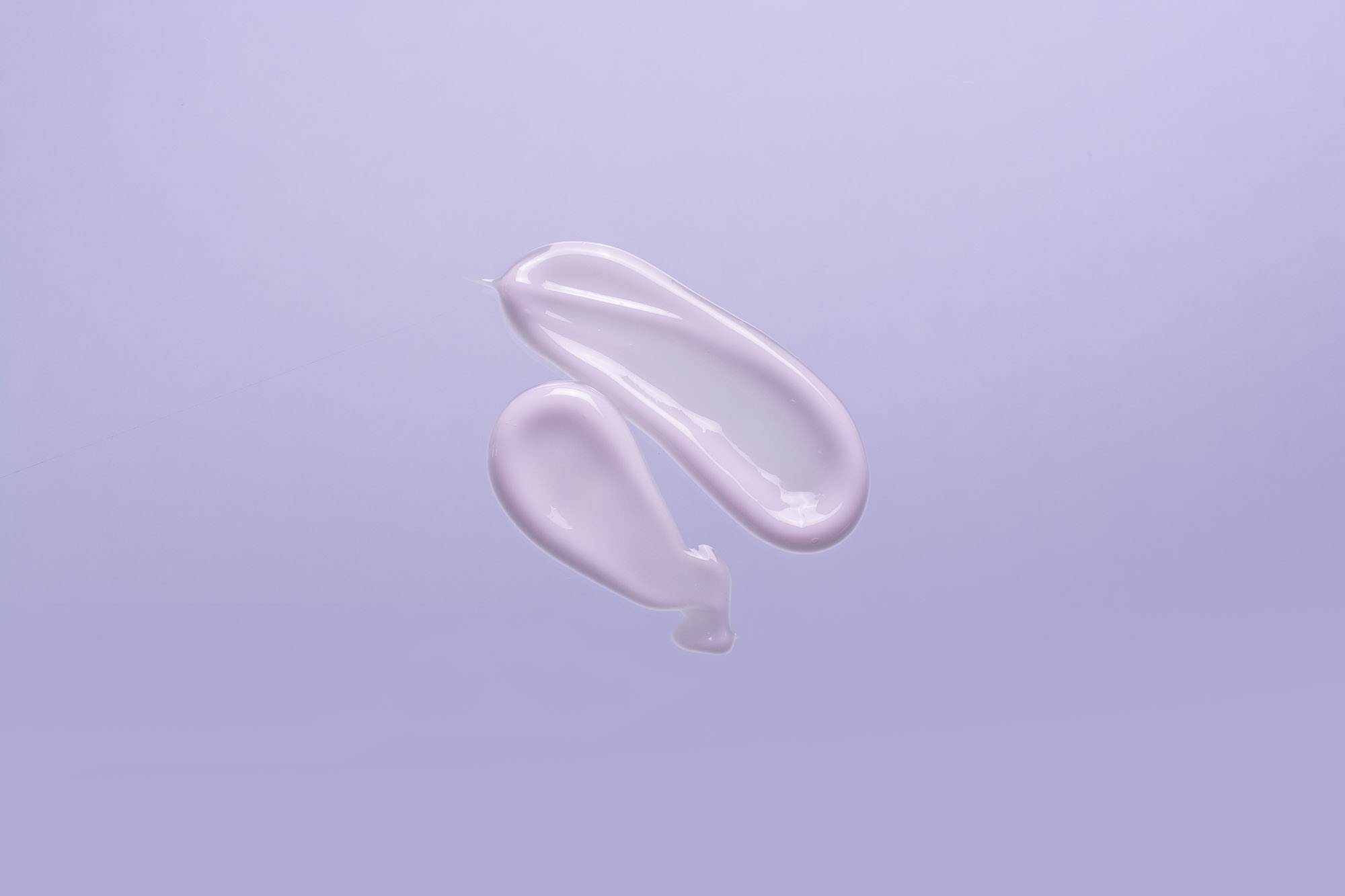
Mik azok a gélek?
A gélek diszpergált rendszerek, amelyek eredetileg folyadékok vagy oldatok, és amelyeket helyi alkalmazásra alkalmas állag eléréséhez strukturálnak. Az emulzióktól eltérően a gélek általában nem tartalmaznak két, egymással nem elegyedő, ellentétes liofilitású fázist. A beépített anyagok természetétől függően lehetnek hidrofil hidrogélek vagy lipofil lipogélek (oleogélek).
Hogyan épülnek fel a gélek?
A gél jellegzetes állagát gélesítő vagy sűrítőanyagok, általában polimerek hozzák létre, amelyek háromdimenziós hálózatot alkotnak. Az intermolekuláris kölcsönhatások oldószermolekulákat kötnek ehhez a hálózathoz, csökkentve mobilitásukat és növelve a rendszer viszkozitását.
A kozmetikai gélek tulajdonságai
A tiszta gélek általában átlátszóak, tiszták vagy enyhén opálosak. Az átlátszóság akkor érhető el, ha az összetevők teljesen feloldódnak, vagy kolloid formában, szubmikron méretű részecskékként vannak jelen.
Könnyű textúrájuk, megjelenésük és kellemes érzékszervi tulajdonságaik miatt a gélek népszerűek a kozmetikai ápolótermékekben. Összetettebb formulák alapjaként is alkalmazhatók.
Szilárd részecskék is beépíthetők a gélekbe stabilizált szuszpenziók létrehozására, míg olajos lipidek hozzáadásával hidrolipid diszperziók vagy kváziemulziók állíthatók elő.
References
Handbook of Cosmetic Science and Technology – André O. Barel, Marc Paye, Howard I. Maibach.
Mi a Gluconolactone?
A Gluconolactone, más néven glucono-delta-lakton, a glükonsavból származó ciklikus észter (lakton). A glükonsavból víz eltávolításával képződik.
A glükonsav karbonsav, míg a gluconolactone ennek laktonformája. Kozmetikai formulákban a gluconolactone számos kozmetikai és testápoló termék összetevőjeként alkalmazható.
Gluconolactone a kozmetikában
A gluconolactone és a glükonsav származékai különböző kozmetikai és testápoló formulákba építhetők be, többek között:
- bőrápoló termékek
- tisztítótermékek
- fürdőtermékek
- samponok
- szájvizek
A formulációban való alkalmazhatósága a termék típusától, a formulációs rendszertől és a kívánt kozmetikai funkciótól függ.
Összetevő-információ
INCI név: Gluconolactone
CAS: 90-80-2
EINECS: 202-016-5
Mi a görögszéna?
A görögszéna (Trigonella foenum-graecum) aromás növény, amelynek magját régóta alkalmazzák. A növény különösen a dioszgenin, egy természetesen előforduló szteroid szapogenin forrásaként keltett tudományos érdeklődést.
A görögszéna magját hagyományosan emolliens tulajdonságúnak tartják, és különböző helyi alkalmazású készítményekben használták.
A görögszéna a kozmetikában
A görögszénamag-kivonatokat többek között az alábbi alkalmazásokra használják kozmetikai formulákban:
- Bőrtisztítás
- Bőrkondicionálás
- Hajápolás
- Hajtonikok
- A hajhullás látható jeleit célzó termékek
Hagyományos alkalmazások és biztonsági szempontok
A görögszéna magját történetileg irritált vagy gyulladt bőrre alkalmazott helyi készítményekben, valamint emolliens célú készítményekben használták. A hagyományos alkalmazások között borogatások és meleg borogatások is szerepeltek.
Kozmetikai termékfejlesztés során a kozmetikai biztonsági értékelés részeként figyelembe kell venni a tervezett koncentrációt, az expozíció módját és az adott görögszéna-készítményre vonatkozó biztonsági adatokat.
Hivatkozások
The internal and external use of medicinal plants – Anthony C. Dweck, FLS, FRSC, FRSH.
Mi a ferulasav?
A ferulasav (4-hidroxi-3-metoxicinnaminsav) természetesen előforduló fenolos vegyület, amely különböző növényekben megtalálható. Gyakran rizskorpából (Oryza sativa) nyerik ki, és szagtalan, halványsárga kristályos por formájában kapható.
A ferulasavat 1886-ban izolálta először Hlasiwetz és Barth az ausztriai Innsbruckban a Ferula foetida növényből. Később más növényi forrásokban, köztük a Pinus laricio fajban is azonosították, mielőtt a rizskorpa a vegyület egyik gyakori kereskedelmi forrásává vált.
Antioxidáns tulajdonságok
A ferulasavat széles körben értékelik a kozmetikai formulázásban antioxidáns tulajdonságai miatt. Megkötheti a szuperoxid-anion gyököket, és gátolhatja a szuperoxidok által kiváltott lipidperoxidációt.
Ezek a tulajdonságok különösen relevánssá teszik a ferulasavat az antioxidáns védelmet biztosító, illetve a kozmetikai összetevők oxidatív lebomlásának mérséklését célzó formulákban.
Természetes UV-elnyelés
A ferulasav UV-elnyelő tulajdonságokkal is rendelkezik, maximális abszorpciója megközelítőleg 300 és 320 nm között jelentkezik.
Ennek a tulajdonságának köszönhetően olyan kozmetikai formulákban alkalmazható, amelyeknél az antioxidáns védelem és az UV-sugárzással kapcsolatos formulázási szempontok relevánsak. Jelenléte azonban önmagában nem jelenti azt, hogy a kész kozmetikai termék megfelelő napvédelmet biztosít, kivéve, ha a terméket megfelelően formulázták és a vonatkozó SPF- és UVA-állításokra vizsgálták.
A ferulasav a kozmetikai formulázásban
A ferulasav olyan kozmetikai formulákba építhető be, amelyekben antioxidáns aktivitás és az oxidatív folyamatokkal szembeni védelem a cél. Különösen releváns lehet bőrápoló és anti-aging formulákban, gyakran más aktív összetevőket tartalmazó antioxidáns rendszerek részeként.
Ferulasavval történő formulázáskor figyelembe kell venni annak oldhatóságát, koncentrációját, pH-kompatibilitását és stabilitását annak érdekében, hogy az összetevő megfelelően beépíthető legyen a késztermékbe.
Összetevő-információ
INCI név: Ferulic Acid
CAS-szám: 1135-24-6
EINECS-szám: 214-490-0
Mi a Gantt-diagram?
A Gantt-diagram egy projekt ütemezésének szemléltetésére használt sávdiagram. A projekt tevékenységei egy vízszintes idővonal mellett jelennek meg, és minden feladatot egy sáv jelöl, amely megmutatja a tervezett kezdési időpontot, időtartamot és befejezési időpontot.
A Gantt-diagram vizuális áttekintést ad arról, hogyan illeszkednek egymáshoz a különböző tevékenységek egy projekten belül, és segíti a projektcsapatot az átfogó ütemterv megértésében.
A Gantt-diagram fő elemei
Egy tipikus Gantt-diagram a következőket tartalmazhatja:
Feladatok és tevékenységek
A projekt részeként elvégzendő egyes tevékenységek.
Idővonal
Az a naptári időszak, amelyre a projekt tevékenységeit tervezik.
Időtartam
Az egyes feladatokra kijelölt idő.
Függőségek
A tevékenységek közötti kapcsolatok, amelyek megmutatják, hogy egy feladat mikor függ egy másik feladat megkezdésétől vagy befejezésétől.
Mérföldkövek
A projekt fontos eseményei vagy eredményei, amelyeknek nincs számottevő időtartamuk.
Előrehaladás
Annak jelzése, hogy egy feladat vagy a projekt mekkora része készült el.
Miért használunk Gantt-diagramot?
A Gantt-diagramok az összetett projektütemezéseket könnyebben áttekinthetővé teszik azáltal, hogy a tevékenységeket és azok időzítését egyetlen vizuális áttekintésben jelenítik meg. Segíthetnek a projektcsapatoknak:
- A projekttevékenységek megtervezésében
- Reális ütemtervek kialakításában
- A feladatfüggőségek azonosításában
- A különböző munkafolyamatok összehangolásában
- A projekt előrehaladásának nyomon követésében
- A lehetséges késedelmek azonosításában
Gantt-diagramok a kozmetikai termékfejlesztésben
A Gantt-diagramok különösen hasznosak lehetnek a kozmetikai termékfejlesztési projektekben, ahol a formulázást, a tesztelést, a csomagolást, a szabályozási feladatokat és a gyártást gyakran össze kell hangolni.
Egy projektütemterv például egymáshoz kapcsolódó tevékenységként jelenítheti meg a formulafejlesztést, a minták értékelését, a módosításokat, a stabilitásvizsgálatot, a csomagolás beszerzését, a szabályozási dokumentáció elkészítését és a gyártást. Így a projektcsapat láthatja, hogy az egyik tevékenység késedelme hogyan befolyásolhatja a következő szakaszokat.
References
The Standard for Project Management and A Guide to the Project Management Body of Knowledge (PMBOK® Guide), Seventh Edition.
Mik azok a flavonoidok?
A flavonoidok a növényvilágban széles körben előforduló, természetes vegyületek nagy és változatos csoportját alkotják. Elnevezésük a görög flava, azaz sárga szóból származik, amely számos flavonoid jellegzetes színére utal. A „flavonoidok” gyűjtőnevet Geissman 1952-ben javasolta.
A flavonoidok szerkezetileg rokon vegyületek, amelyeket gyakran a polifenolok közé sorolnak. Sok flavonoid alapváza 15 szénatomot tartalmaz, és általában egy fenolos komponensből, valamint egy fahéjsavból származó építőelemből áll.
A flavonoidok családjába több, szerkezetileg eltérő csoport tartozik, többek között a flavonok, flavonolok, kalkonok, katechinek és antocianidinek. Kémiai sokféleségük számos funkcióval és kozmetikai alkalmazási lehetőséggel jár.
A flavonoidok antioxidáns tulajdonságai
A flavonoidok kozmetikai alkalmazásának egyik legfontosabb tulajdonsága antioxidáns aktivitásuk.
Egyes flavonoidok képesek a szabad gyökök megkötésére, ezáltal antioxidáns védelmet biztosíthatnak. Ez a tulajdonság különösen releváns a bőrápolásban, mivel az oxidatív stressz hozzájárulhat a bőrsejtek megjelenésének és állapotának változásaihoz.
Flavonoidok a vörösborban
A Vitis vinifera-ból származó vörösbor flavonoidjai, köztük a kvercetin, a kaempferol és az antocianidinek, összefüggésbe hozhatók a szabadgyökfogó aktivitással.
Flavonoidok a zöld teában
A zöld tea (Camellia sinensis, más néven Thea viridis) flavonoidvegyületeket, köztük katechineket és katechin-gallát-észtereket tartalmaz. Ezek a vegyületek antioxidáns aktivitást mutattak a szabad gyökökkel szemben.
E növényi eredetű vegyületek antioxidáns tulajdonságait generációk óta ismerik étrendi felhasználásuk kapcsán, miközben bizonyos flavonoidokat tartalmazó anyagok helyi, kozmetikai alkalmazásakor is megfigyeltek hasonló antioxidáns aktivitást.
Flavonoidok és a bőr védelme
A flavonoidok antioxidáns tulajdonságai miatt relevánsak lehetnek olyan kozmetikai formulákban, amelyeket a környezeti hatásoknak kitett bőr ápolására fejlesztenek.
A flavonoidokban gazdag növényi kivonatok bőrápoló formulákba történő beépítésével a formulálók kihasználhatják a természetesen előforduló antioxidáns vegyületek tulajdonságait, miközben a növényi forrás további jellemzői is hozzájárulhatnak a termék koncepciójához.
A flavonoidokat ezért gyakran alkalmazzák antioxidáns bőrápoló termékek fejlesztésekor, valamint az egészséges és ápolt megjelenésű bőr támogatására szolgáló formulákban.
Flavonoidok mint természetes színezőanyagok
Antioxidáns tulajdonságaik mellett a flavonoidok természetes színt is kölcsönözhetnek kozmetikai összetevőknek és növényi kivonatoknak.
A flavonoidok különböző csoportjai eltérő színeket adhatnak:
Kalkonok és flavonolok
A kalkonok és flavonolok sárga színt adhatnak, ezért potenciális természetes színezőanyag-forrásként is érdekesek lehetnek kozmetikumokban és testápolási termékekben.
Antocianidinek
Az antocianidinek számos növényben megtalálható vörös, kék és ibolya színekért felelősek. Természetes pigmentációjuk miatt az antocianidineket tartalmazó növényi anyagok különösen érdekesek lehetnek olyan alkalmazásokban, ahol természetes eredetű szín kívánatos.
Flavonok
A flavonok általában színtelenek, ugyanakkor erősen elnyelhetik az ultraibolya sugárzást. A növényekben ez a tulajdonság szerepet játszik a beporzó rovarokkal való kölcsönhatásokban.
A flavonoidokat tartalmazó anyagok természetes színezőforrásként való alkalmazása kozmetikumokban és testápolási termékekben folyamatosan fejlődik, bár viszonylag gyenge fénystabilitásuk formulázási kihívást jelenthet.
Flavonoid-glikozidok és aglikonok
A flavonoidok a növényekben természetesen glikozidok vagy aglikonok formájában is előfordulhatnak.
Flavonoid-glikozidok
A glikozidok olyan flavonoidmolekulák, amelyekben egy vagy több hidroxilcsoportot cukorkomponens helyettesít. Ezek a cukrok lehetnek például galaktóz, glükóz, mannóz és ramnóz.
Aglikonok
Az aglikonok olyan flavonoidmolekulák, amelyek nem tartalmaznak cukoregységet.
Ez a különbségtétel fontos a növényi kivonatokkal végzett formulázás során, mivel a flavonoid kémiai formája befolyásolhatja annak tulajdonságait és viselkedését a kozmetikai formulában.
A flavonoidok kozmetikai alkalmazásai
A flavonoidok tisztított összetevőként vagy – gyakrabban – természetes flavonoidvegyületeket tartalmazó növényi kivonatok formájában építhetők be kozmetikai formulákba.
Antioxidáns bőrápolás
A flavonoidokban gazdag növényi kivonatok alkalmazhatók arckrémekben, szérumokban, testápolókban és más, antioxidáns tulajdonságokra épülő bőrápoló termékekben.
Zöld teát tartalmazó formulák
A katechineket és más polifenolos vegyületeket tartalmazó zöldtea-kivonatok széles körben relevánsak azokban a kozmetikai formulákban, amelyeknél antioxidáns tulajdonság kívánatos.
Növényi alapú bőrápolás
A flavonoidokat tartalmazó növényi kivonatok olyan formulákba is beépíthetők, amelyek az antioxidáns tulajdonságokat a növényi eredetű összetevők szélesebb körű érzékszervi és bőrkondicionáló jellemzőivel kombinálják.
Természetes színező kozmetikumok
Egyes flavonoidokat tartalmazó anyagok természetes eredetű színezőanyag-forrásként is vizsgálhatók kozmetikumokban és testápolási termékekben, azonban a formulázás során figyelembe kell venni a fénystabilitást.
Formulázási szempontok flavonoidok alkalmazásakor
A flavonoidokban gazdag összetevők kozmetikai formulákba történő beépítésekor kémiai szerkezetüket, forrásukat és stabilitásukat gondosan figyelembe kell venni.
A fénystabilitás különösen fontos lehet, ha a flavonoidokat tartalmazó anyagokat színezőhatásuk miatt alkalmazzák. Ezért az adott kivonat vagy izolált vegyület stabilitását a tervezett formula és csomagolás körülményei között célszerű értékelni.
A flavonoidokat tartalmazó összetevő végső teljesítményét a növényi forrás, az extrakciós eljárás, a koncentráció és a teljes formulázási környezet egyaránt befolyásolhatja.
Miért alkalmaznak flavonoidokat kozmetikai formulákban?
A flavonoidok értékes kozmetikai összetevők lehetnek, mivel a természetben előforduló vegyületek változatos családján belül több érdekes tulajdonságot egyesítenek.
Főbb alkalmazási területeik:
- Antioxidáns aktivitás
- Szabadgyökfogó tulajdonságok
- A környezeti hatásoknak kitett bőr ápolásának támogatása
- Természetes színezőanyag-potenciál
- Növényi és növényi eredetű kozmetikai koncepciókkal való kompatibilitás
Sokféleségük lehetővé teszi azt is, hogy a formulálók a kívánt pozicionálás és a késztermék teljesítményjellemzői alapján különböző, flavonoidokat tartalmazó növényi forrásokat válasszanak.
Flavonoidok a kozmetikai termékfejlesztésben
A kozmetikai termékfejlesztésben a flavonoidok különösen hasznosak lehetnek növényi, antioxidáns vagy természetes eredetű összetevőkre épülő termékkoncepciók esetén.
A flavonoid forrásának kiválasztásakor figyelembe kell venni a kívánt kozmetikai előnyt, a kivonat összetételét, stabilitását, színét, a formulával való kompatibilitását és a csomagolási követelményeket.
References
Source: Dermatologic, Cosmeceutic and Cosmetic development – Kenneth A. Walters, Michael S. Roberts.
Mi a kozmetikai formulázás?
A kozmetikai formulázás különböző alapanyagok kiválasztásának és kombinálásának folyamata annak érdekében, hogy meghatározott funkcionális, érzékszervi és esztétikai tulajdonságokkal rendelkező kész kozmetikai termék jöjjön létre. Ide tartozhatnak többek között a bőrápoló, hajápoló, smink-, testápoló és egyéb személyes ápolási termékek.
Egy kozmetikai formula természetes összetevők, szintetikus alapanyagok, olajok, kivonatok, emulgeálószerek, tenzidek, tartósítószerek, aktív összetevők, illatanyagok és egyéb funkcionális komponensek kombinációját tartalmazhatja. Minden összetevőnek meghatározott szerepe van a formulában, és ezek kombinációja határozza meg a késztermék textúráját, stabilitását, megjelenését, érzékszervi jellemzőit és teljesítményét.
A formulázási folyamat ezért jóval több, mint az összetevők egyszerű összekeverése. A sikeres kozmetikai formula kialakításához szükség van az összetevők kompatibilitásának, a feldolgozási körülményeknek, a termékstabilitásnak, a mikrobiológiai védelemnek és a tervezett fogyasztói élménynek a megértésére.
A kozmetikai formulázás fő elemei
Összetevők kiválasztása
A formulázás első lépése a kívánt termékhez megfelelő alapanyagok azonosítása. Az összetevőket funkcionalitásuk, kompatibilitásuk, teljesítményük, szabályozási státuszuk és a tervezett termékkoncepcióhoz való megfelelőségük alapján választják ki.
Egy hidratáló krém például emolliensek, nedvesítőszerek, emulgeálószerek, sűrítőanyagok, tartósítószerek és aktív összetevők kombinációját igényelheti. A pontos összetétel a kívánt bőrérzettől, teljesítménytől és a késztermék pozicionálásától függ.
Formula fejlesztés
Az összetevők kiválasztását követően azokat meghatározott arányokban kell kombinálni. Az egyes összetevők koncentrációja jelentősen befolyásolhatja a késztermék stabilitását, textúráját, megjelenését és teljesítményét.
A formula fejlesztés során prototípusokat hoznak létre és finomítanak mindaddig, amíg el nem érik a kívánt jellemzőket.
Textúra és érzékszervi tulajdonságok
A kozmetikai termék érzékszervi élménye fontos része a formula fejlesztésnek. Az olyan tényezők, mint a viszkozitás, kenhetőség, felszívódás, utóérzet, szín, illat és általános textúra mind befolyásolják, hogyan érzékelik a fogyasztók a terméket.
A formulának ezért nemcsak hatékonyan kell működnie, hanem a kívánt érzékszervi élményt is biztosítania kell.
Stabilitás
A kozmetikai formulának a tervezett eltarthatósági idő teljes időtartama alatt stabilnak kell maradnia. A stabilitás vizsgálatok során többek között a megjelenés, a szín, a szag, a viszkozitás, a pH és a szeparáció változásai értékelhetők különböző tárolási körülmények között.
A formula és a csomagolás kompatibilitása szintén fontos szempont lehet a fejlesztés során.
Tartósítás és mikrobiológiai biztonság
A vizet vagy mikrobiális szaporodást támogató egyéb összetevőket tartalmazó termékek megfelelő tartósítási stratégiát igényelnek. A tartósítószereket és egyéb tartósítási technológiákat a formula, a csomagolás, a tervezett felhasználás és az alkalmazandó szabályozási követelmények alapján választják ki.
A mikrobiológiai vizsgálatok fontos részét képezik a késztermék biztonságának és stabilitásának igazolásának.
A kozmetikai formulázás típusai
Bőrápoló formulázás
A bőrápoló formulázás olyan termékeket foglal magában, mint a krémek, testápolók, szérumok, lemosók, maszkok és kezelőtermékek. A termékkoncepciótól függően a formulák hidratálásra, tisztításra, kondicionálásra, nyugtatásra vagy más kozmetikai előnyök biztosítására alakíthatók ki.
Hajápoló formulázás
A hajápoló formulázás olyan termékek fejlesztését foglalja magában, mint a samponok, balzsamok, hajmaszkok, kezelőtermékek, hajformázók és fejbőrápoló termékek. A formulálók többek között a tisztítóhatást, kondicionálást, hajérzetet, viszkozitást és a hajszállal való kompatibilitást veszik figyelembe.
Sminkformulázás
A sminkformulázás olyan termékek fejlesztését jelenti, mint az alapozók, korrektorok, ajaktermékek, szempillaspirálok és egyéb dekorkozmetikumok. A pigmentek diszpergálása, a textúra, a fedés, a stabilitás és a felviteli tulajdonságok a legfontosabb formulázási szempontok közé tartoznak.
Testápolási termékek formulázása
A testápolási termékek, például a tusfürdők, dezodorok, kézkrémek és egyéb tisztító- vagy kondicionáló termékek olyan formulázási megközelítést igényelnek, amely az adott funkcióhoz és tervezett felhasználáshoz igazodik.
A kozmetikai formula fejlesztés folyamata
Koncepció és termékbrief
A formula fejlesztés jellemzően egy termékkoncepcióval és részletes brief-fel kezdődik, amely meghatározza a kívánt termékjellemzőket, célfogyasztót, pozicionálást, állításokat, csomagolást és kereskedelmi követelményeket.
Prototípus fejlesztés
A formulázó csapat ezután a termékbrief alapján kezdeti prototípusokat fejleszt. Különböző összetevőket, koncentrációkat és feldolgozási körülményeket vizsgálhatnak a legmegfelelőbb formulázási megközelítés meghatározásához.
Vizsgálat és optimalizálás
A prototípusokat fizikai tulajdonságaik, stabilitásuk, érzékszervi jellemzőik és egyéb releváns teljesítményparamétereik alapján értékelik. Az eredmények alapján a formulát módosítják és tovább finomítják.
Scale-up és gyártás
A formula véglegesítését követően a gyártási folyamatot laboratóriumi méretről gyártási méretre kell átültetni. A hozzáadás sorrendje, a keverési körülmények, a hőmérséklet, a homogenizálás és egyéb gyártási paraméterek mind befolyásolhatják a készterméket.
Szabályozási és biztonsági értékelés
Mielőtt egy kozmetikai terméket forgalomba hoznak, a formulának és a készterméknek meg kell felelnie a célpiacon alkalmazandó szabályozási és biztonsági követelményeknek. A termékfejlesztés részeként figyelembe kell venni a formulát, az összetevőket, az állításokat, a csomagolást és az alátámasztó dokumentációt.
Miért fontos a professzionális formulázási szakértelem?
Egy sikeres kozmetikai termék fejlesztéséhez többre van szükség, mint népszerű vagy trendi összetevők kiválasztására. Az összetevőknek stabil és biztonságos formulán belül kell együtt működniük, miközben biztosítaniuk kell a kívánt érzékszervi élményt és termékteljesítményt.
A professzionális formulázási szakértelem segít a megfelelő alapanyagok kiválasztásában, koncentrációjuk optimalizálásában, a kompatibilitási és stabilitási problémák megoldásában, valamint abban, hogy egy termékkoncepcióból kereskedelmileg életképes készformula jöjjön létre.
Új kozmetikai termék fejlesztésekor egy tapasztalt formulázó csapattal való együttműködés jelentősen csökkentheti a fejlesztési kockázatokat, és segíthet abban, hogy a koncepció a kezdeti brief-től a tesztelt, gyártásra kész formuláig jusson el.