Knowledge Base
Mi a szénpor?
A szénpor szerves anyagok hevítésével előállított, szárított, széntartalmú anyag. Kozmetikai alkalmazásokban a finomra őrölt szenet elsősorban adszorpciós és opacifikáló tulajdonságai miatt használják.
A szénpor kozmetikai alkalmazásai
A szénpor olyan kozmetikai formulákba építhető be, amelyekben előnyös lehet az anyagok adszorpciójára való képessége. Gyakran alkalmazzák tisztító termékekben és olyan formulákban, amelyeket zsírosnak vagy eltömődött pórusú bőrre szánnak.
Por formájában enyhe abrazív hatást is biztosíthat, ezért bizonyos hámlasztó termékekben is alkalmazható. A részecskemérettől és a koncentrációtól függően arctisztítókban, maszkokban, bőrradírokban és egyéb leöblítendő formulákban használható.
Összetevőre vonatkozó információk
INCI: Charcoal Powder
CAS: 8021-96-6
EINECS/EC: Not specified
Funkciók: Abrasive, Absorbent, Opacifying
Hivatkozások
Dweck, Anthony. Handbook of Natural Ingredients (Dweck Books 4) . Dweck Data. Kindle Edition.
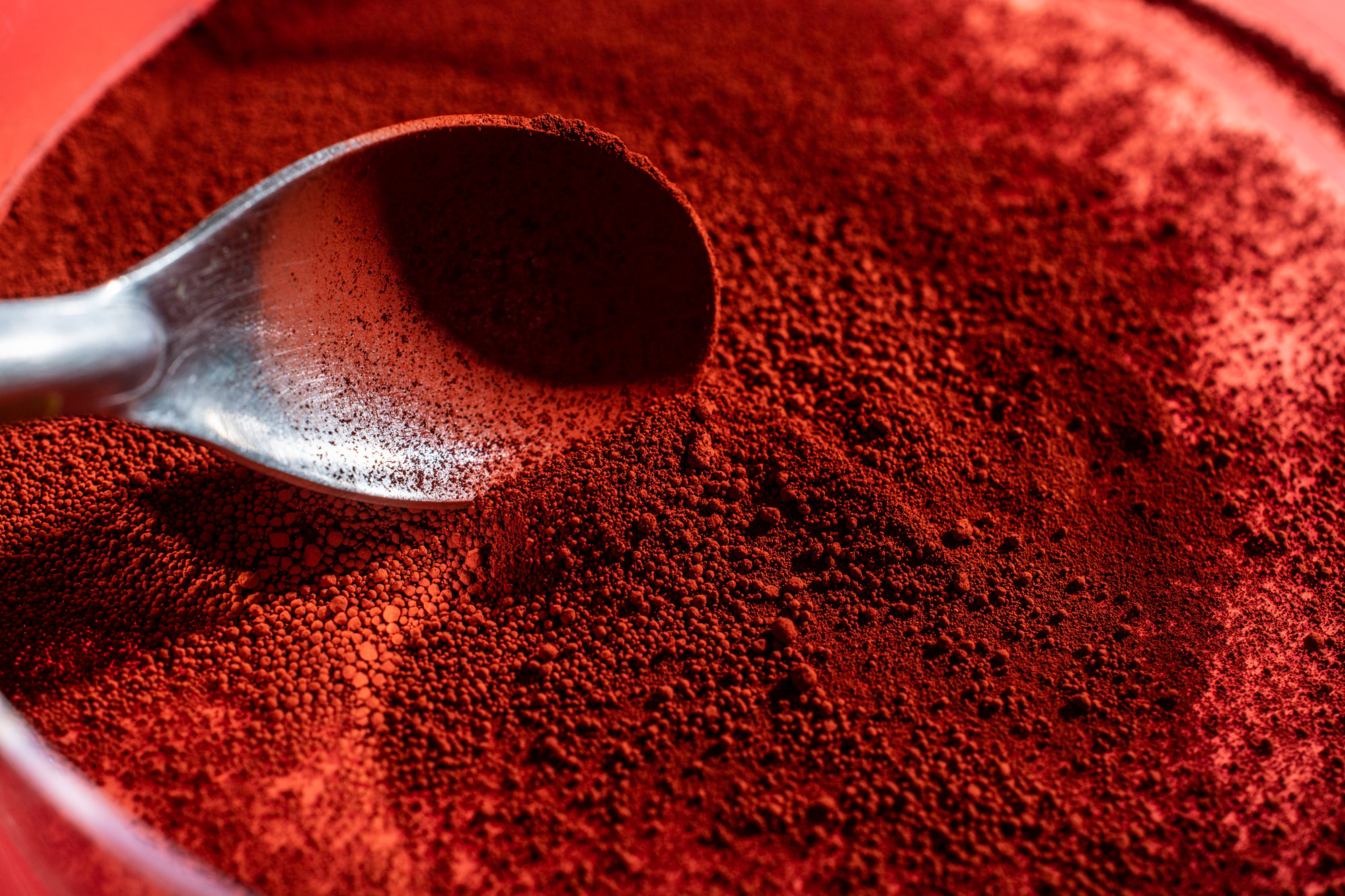
Mik a foszfolipidek?
A foszfolipidek a lipidek egyik csoportját alkotják, és a sejtmembránok fontos szerkezeti elemei. Lipid kettősrétegeket képesek kialakítani, és jellemzően egy digliceridből, foszfátcsoportból és egy szerves molekulából, például kolinból állnak.
A foszfolipidek kozmetikai alkalmazásai
A kozmetikai formulákban a foszfolipideket elsősorban bőrkondicionálásra használják. Amfifil szerkezetük lehetővé teszi, hogy mind az olajos, mind a vizes fázissal kölcsönhatásba lépjenek, ezért emulgeáló összetevőként is hasznosak.
A foszfolipidek segíthetik az olajok diszpergálását vagy szolubilizálását vizes rendszerekben, ezért számos olyan bőrápoló formulában alkalmazzák őket, ahol a kondicionáló hatás és a formulastabilitás egyaránt fontos.
Összetevőre vonatkozó információk
Ingredient: Phospholipids
CAS: 123465-35-0
EINECS/EC: Not specified
Function: Skin Conditioning
Hivatkozások
Dweck, Anthony. Handbook of Natural Ingredients (Dweck Books 4) . Dweck Data. Kindle Edition.
Mik a peptidek?
A peptidek fehérjékből származó, rövid aminosavláncok. A kozmetikai bőrápolásban a bőrrel való kölcsönhatásuk, valamint kondicionáló és nedvességmegtartást támogató tulajdonságaik miatt használják őket.
A peptideket sejtszignálokban részt vevő összetevőként is vizsgálták, és a kutatások, illetve kozmetikai alkalmazások többek között a kollagénhez kapcsolódó folyamatok támogatásában és a bőr megjelenésének javításában betöltött lehetséges szerepükre összpontosítanak.
Peptidek a bőrápolásban
A peptideket gyakran építik arckrémekbe, szérumokba és más, érett vagy száraz bőrre tervezett termékekbe. Vízmegkötő tulajdonságaik hozzájárulhatnak a bőr hidratáltságának fenntartásához és a simább bőrfelszín támogatásához.
A hagyományos peptid-összetevők formulázási kihívásokat jelenthetnek, mivel a peptidek enzimek hatására lebomolhatnak. A kozmetikai technológia fejlődésével szintetikus peptideket is kifejlesztettek, köztük hexapeptideket, pentapeptideket és polipeptideket, amelyek jobb stabilitást és célzott kozmetikai funkciókat biztosíthatnak.
Egyes fejlett peptidrendszereket más molekulák hordozójaként is kialakítanak, teljesítményük azonban erősen függ az adott peptidtől, formulától és hordozórendszertől.
Összetevőre vonatkozó információk
Ingredient Type: Protein-derived cosmetic ingredient
Common Types: Hexapeptides, pentapeptides, polypeptides
Primary Cosmetic Functions: Skin Conditioning, Humectant
CAS / EINECS/EC: Not specified for peptides as a general ingredient category.
Hivatkozások
Dweck, Anthony. Handbook of Natural Ingredients (Dweck Books 4) . Dweck Data. Kindle Edition.

Mi a C-vitamin?
A C-vitamin, más néven aszkorbinsav, vízben oldódó vitamin és antioxidáns, amelyet széles körben használnak kozmetikai bőrápolásban. Értékes tulajdonsága, hogy segíthet semlegesíteni a szabad gyököket, és védeni a bőrt a környezeti és napfény-expozícióval összefüggő oxidatív stressztől.
A C-vitamin kozmetikai alkalmazásai
A C-vitamint elsősorban antioxidáns védelmet és bőrkondicionálást célzó bőrápoló termékekben használják. Arckrémekbe, szérumokba, testápolókba és más, bőrön maradó termékekbe is beépíthető.
Antioxidánsként a C-vitamin segít védeni a kozmetikai formulákat és a bőrt a szabad gyökök által okozott oxidatív folyamatoktól. Emiatt gyakran társítják olyan termékekhez, amelyeket a környezeti hatások elleni védelemre és a külső stresszoroknak kitett bőr ápolására fejlesztettek.
Összetevőre vonatkozó információk
INCI: Ascorbic Acid
CAS: 50-81-7
Functions: Antioxidant, Buffering, Fragrance, Skin Conditioning
Hivatkozások
Dweck, Anthony. Handbook of Cosmetic Ingredients: - their use, safety and toxicology (Dweck Books 5) . Dweck Data. Kindle Edition.
Mi a vörösáfonya-magolaj?
A vörösáfonya-magolajat a Vaccinium macrocarpon, vagyis a vörösáfonya magjainak hidegen sajtolásával nyerik. Könnyű növényi olaj, amelyet tápláló és hidratáló tulajdonságai miatt értékelnek, miközben használata általában nem hagy különösen zsíros bőrérzetet.
Az olaj gazdag tokotrienolokban, a E-vitamin-család tagjaiban, valamint omega-3, omega-6 és omega-9 zsírsavakban.
Kozmetikai alkalmazások
A vörösáfonya-magolajat elsősorban bőrkondicionáló összetevőként használják. Az esszenciális zsírsavak és antioxidáns vegyületek kombinációja alkalmassá teszi a bőr táplálására és hidratálására irányuló formulákhoz.
Alkalmazható többek között:
- arckrémekben és testápolókban
- hidratáló termékekben
- anti-aging formulákban
- bőrkondicionáló olajokban
- száraz vagy érett bőr megjelenésére fejlesztett termékekben
Zsírsavak és tokotrienolok
A vörösáfonya-magolaj omega-3, omega-6 és omega-9 zsírsavakat biztosít. Az olaj különösen gazdag tokotrienolokban, amelyek az E-vitamin természetesen előforduló formái és antioxidáns tulajdonságokkal rendelkeznek.
Összetevőre vonatkozó információk
INCI: Vaccinium Macrocarpon Seed Oil
CAS: 91770-88-6
Function: Skin Conditioning
Hivatkozások
Dweck, Anthony. Handbook of Natural Ingredients (Dweck Books 4) . Dweck Data. Kindle Edition.
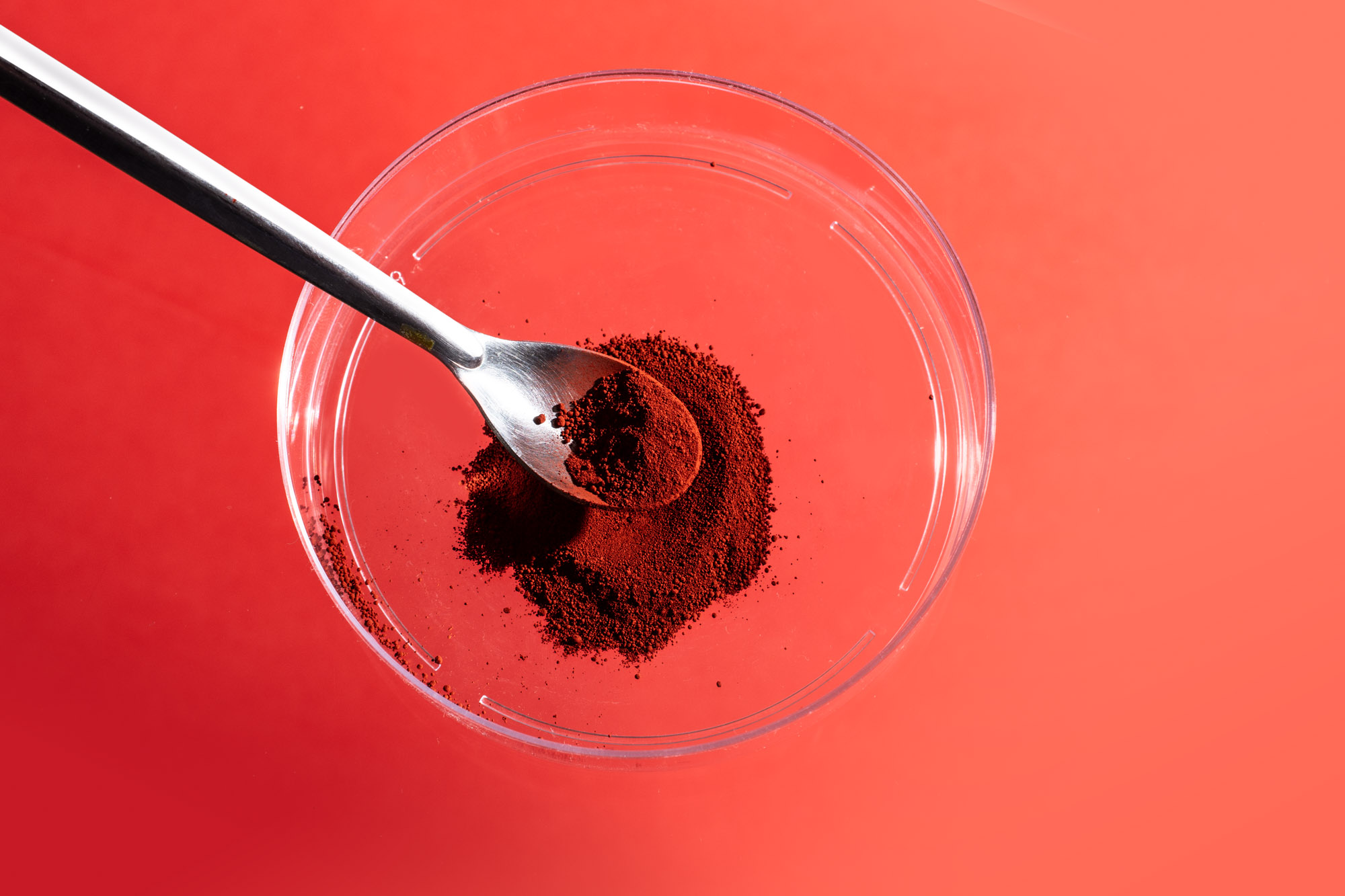
Mi a propolisz viasz?
A Propolis Cera a méhkaptárakban található gyantás anyag viaszos komponense. A méhek a propoliszt a kaptár építéséhez és javításához használják.
A propolisz segít megvédeni a kaptárt és annak tartalmát a mikroorganizmusoktól, és természetes eredetű vegyületek összetett keverékét tartalmazza, különösen flavonoidokat.
Kozmetikai alkalmazások
A propolisz viaszt kozmetikai formulákban hidratáló, simító és faggyúszabályozó tulajdonságai miatt használják. Olyan bőrápoló termékekbe építhető be, amelyeknél kondicionáló és simító hatás kívánatos.
Méhészeti eredete miatt a természetes vagy hagyományosan használt kozmetikai összetevőkre épülő formulák szempontjából is releváns.
Hagyományos és funkcionális tulajdonságok
A propoliszt antimikrobiális tulajdonságai miatt széles körben vizsgálták, és a hagyományos, illetve alternatív gyógyászatban hosszú ideje alkalmazzák. Ezeket a hagyományos és kutatásokon alapuló tulajdonságokat nem szabad kozmetikai kezelési állításokként értelmezni.
Összetevőre vonatkozó információk
INCI: Propolis Cera
CAS: 85665-41-4
Functions: Antiseborrhoeic, Moisturising, Smoothing
Hivatkozások
Dweck, Anthony. Handbook of Natural Ingredients (Dweck Books 4) . Dweck Data. Kindle Edition.
Mi a Calendula?
A Calendula, közismert nevén körömvirág, a Calendula officinalis növényből származik. A növényt régóta használják hagyományos gyógynövényes készítményekben és bőrápolásban.
A körömvirágolaj a körömvirág virágainak lipofil összetevőit és jellegzetes aromáit tartalmazza növényi olajos közegben. Ez alkalmassá teszi a körömvirágból származó tulajdonságok olajbázisú kozmetikai formulákba történő beépítésére.
Kozmetikai felhasználás
A Calendulát elsősorban emolliens és bőrvédő összetevőként alkalmazzák. Különösen alkalmas száraz, hámló, igénybevett vagy érzékeny bőrre szánt formulákhoz.
Beépíthető többek között:
- Érzékeny bőrre szánt krémekbe
- Babaápolási termékekbe
- Bőrvédő készítményekbe
- Száraz bőrre szánt krémekbe és balzsamokba
- Testápoló termékekbe
- Körömvirág-alapú olajokba és lotionökbe
Hagyományos felhasználás
A körömvirágot évszázadok óta használják európai és más hagyományos gyógynövényes gyakorlatokban. Történeti feljegyzések szerint a rómaiak, görögök, ókori egyiptomiak, arabok és hinduk is alkalmazták.
A 16. században a körömvirág gyakori kerti növény volt, amelyet a gyógynövényismerők nagyra értékeltek. A szárított virágokat hagyományosan levesekben és teákban is használták, valamint természetes színezékként sajthoz.
Összetevőre vonatkozó információk
INCI: Calendula Officinalis Extract
CAS: 84776-23-8
Function: Emollient
Hivatkozások
Dweck, Anthony. Handbook of Natural Ingredients (Dweck Books 4) . Dweck Data. Kindle Edition.
Kozmetikai alkalmazások
Az Avena sativa-ból származó zabkivonatot évszázadok óta értékelik nyugtató és nedvszívó tulajdonságai miatt. Ezek a jellemzők különösen alkalmassá teszik érzékeny, kipirosodásra hajlamos vagy irritáltnak tűnő bőrre fejlesztett kozmetikai termékekhez.
A zabból származó összetevők segíthetnek a felesleges faggyú felszívásában, és hozzájárulhatnak a simább, kellemesebb bőrérzethez.
Alkalmazás kozmetikai formulákban
A zabkivonat számos testápolási termékbe beépíthető, többek között:
- Testápoló termékek
- Arcmaszkok
- Kézkrémek
- Hidratáló készítmények
- Szappanok
- Napápoló termékek
Összetevőre vonatkozó információk
INCI: Avena Sativa Extract
Botanical source: Avena sativa (oat)
Functions: Skin Conditioning, Absorbent, Viscosity Controlling
Hivatkozások
Dweck, Anthony. Handbook of Natural Ingredients (Dweck Books 4) . Dweck Data. Kindle Edition.
Kozmetikai alkalmazások
A Cucumis Sativus Fruit, közismert nevén uborka, régóta használatos a bőrápolásban hűsítő, nyugtató, simító és frissítő tulajdonságai miatt. Különösen olyan formulákban alkalmazható, amelyek a kényelmesebb érzetet célozzák érzékeny vagy igénybevettnek tűnő bőrön.
Az uborka termése számos kozmetikai termékben alkalmazható, többek között:
- napozás utáni termékekben
- testápolókban
- szem környékén használt tapaszokban
- bőrfrissítő termékekben
- hidratáló készítményekben
- zsíros bőrre szánt termékekben
- bőrfeszesítő formulákban
Bőrkondicionáló tulajdonságok
Az uborkát kellemes hűsítő és frissítő hatásérzete miatt értékelik. Olyan formulákban használható, amelyek nyugtató érzést biztosítanak, miközben a bőrt simábbnak és kondicionáltabbnak éreztetik.
A bőrápolásban való hosszú múltra visszatekintő alkalmazása miatt az uborka népszerű növényi összetevő, különösen a nyugtató, hidratáló és frissítő bőrápolást célzó termékekben.
Az uborka gyakori élelmiszer-összetevő is, és helyi alkalmazás esetén általában nem tekintik olyan összetevőnek, amely nagy valószínűséggel reakciót vált ki.
Összetevőre vonatkozó információk
INCI: Cucumis Sativus Fruit
CAS: 8024-36-0
Funkció: Emolliens, bőrkondicionáló
Hivatkozások
Dweck, Anthony. Handbook of Natural Ingredients (Dweck Books 4) . Dweck Data. Kindle Edition.
Mi az avokádó olaj?
Az avokádóolaj, más néven Persea Gratissima Oil, avokádóból származó növényi eredetű olaj. Triglicerideket, természetes szterolokat, tokoferolokat és egyéb kisebb mennyiségben jelen lévő komponenseket tartalmaz, amelyek hozzájárulnak kozmetikai tulajdonságaihoz.
Viszonylag könnyű, gyorsan felszívódó olajként írják le, és egyes adatok szerint a bőr gyorsabban abszorbeálhatja, mint több más gyakori növényi olajat, például a kukorica-, szója-, mandula- vagy olívaolajat.
Kozmetikai felhasználás
Az avokádó olajat elsősorban emollienseként alkalmazzák. Segít puhítani és kondicionálni a bőrt, ezért különösen alkalmas lehet száraz, érdes vagy fakó megjelenésű bőrre szánt formulákhoz.
Beépíthető többek között:
- arckrémekbe és lotionökbe
- testápoló termékekbe
- hidratáló formulákba
- száraz bőrre szánt termékekbe
- bőrkondicionáló olajokba és balzsamokba
Természetes szterol- és tokoferoltartalma miatt olyan növényi eredetű formulákban is hasznos összetevő lehet, amelyek célja a bőr táplálása és kondicionálása.
Összetétel
- β-szitoszterol
- kampeszterol
- sztigmaszterol
- brasszikaszterol
- Δ5-avenaszterol
Emellett tokoferolokat és egyéb, nem azonosított szterolkomponenseket is tartalmaz.
Biztonságosság
A Cosmetic Ingredient Review (CIR) Expert Panel értékelte a rendelkezésre álló biztonságossági adatokat, és arra a következtetésre jutott, hogy a Persea Gratissima (Avocado) Oil kozmetikai és testápolási termékekben a szokásos alkalmazási feltételek mellett biztonságos. Ezt a következtetést a CIR 2001-es újraértékelése is megerősítette.
Összetevőre vonatkozó információk
INCI: Persea Gratissima Oil
CAS: 8024-32-6
Funkció: Emolliens
Hivatkozások
Dweck, Anthony. Handbook of Natural Ingredients (Dweck Books 4) . Dweck Data. Kindle Edition.
Mi az acai bogyó olaja?
Az acai bogyó olaját az Euterpe oleracea, Dél-Amerikában őshonos pálmafaj terméséből nyerik. Az acai termése kerek, vöröseslila, átmérője körülbelül 1–2 cm. A termés mintegy 80%-át a magok teszik ki.
Az acai sötétlila bogyóként ismert, ízét gyakran bogyós gyümölcsök és csokoládé kombinációjaként írják le. Számos acai-alapú termék érhető el, többek között levek, porok és kivonatok.
Kozmetikai felhasználás
A kozmetikai formulákban az acai bogyó olaját elsősorban bőrkondicionáló és okkluzív összetevőként alkalmazzák. Okkluzív anyagként hozzájárulhat a bőrfelszínen kialakuló védőréteghez, ezáltal segítheti a nedvességvesztés csökkentését.
Ezért az alábbi terméktípusokban lehet alkalmazható:
- Bőrkondicionáló krémek és testápolók
- Hidratáló formulák
- Arcbőrápoló termékek
- Testápoló termékek
- Száraz bőrre szánt termékek
Antioxidáns tulajdonságok
Az acai termésével kapcsolatos kutatások elsősorban antioxidáns tulajdonságaira összpontosítottak. In vitro vizsgálatok antiproliferatív és gyulladáscsökkentő aktivitást is vizsgáltak, amely összefüggésben állhat antioxidáns összetevőivel.
Összetevőre vonatkozó információk
INCI: Euterpe Oleracea Fruit Oil
CAS: 861902-11-6
Function: Skin Conditioning Agent – Occlusive
Hivatkozások
Dweck, Anthony. Handbook of Natural Ingredients (Dweck Books 4) . Dweck Data. Kindle Edition.
Mi a levendulaolaj?
A levendulaolaj a Lavandula angustifolia növényből nyert illóolaj. Jellegzetes virágos aromája és frissítő érzékszervi tulajdonságai miatt széles körben használják kozmetikai és testápolási termékekben.
Kozmetikai felhasználás
A levendulaolajat elsősorban illatanyagként alkalmazzák, emellett tonizáló, frissítő, tisztító, szagtalanító és maszkoló funkciót is betölthet.
Alkalmazható:
- illatanyagokban és parfümökben
- bőrápoló termékekben
- tisztító formulákban
- dezodoráló termékekben
- frissítő testápolási termékekben
- aromás kozmetikai készítményekben
A forrásirodalom a levendulaolaj hagyományos alkalmazásait is ismerteti égési sérülések, sebek, akné, rovarcsípések, zúzódások, fáradtság és egyéb állapotok esetén. Ezeket a hagyományos vagy terápiás alkalmazásokat nem szabad kozmetikai kezelési állításként értelmezni.
Összetevőre vonatkozó információk
INCI: Lavandula Angustifolia (Lavender) Oil
CAS: 8000-28-0
Functions: Fragrance Ingredient, Tonic, Refreshing, Cleansing, Deodorant, Masking
Hivatkozások
Dweck, Anthony. Handbook of Natural Ingredients (Dweck Books 4) . Dweck Data. Kindle Edition.
Mi a ginzenggyökér-kivonat?
A ginzenggyökér-kivonat a Panax ginseng növényből származik, amelyet Ázsia hagyományos gyógyászatában régóta alkalmaznak. A Panax név a görög panakos szóból ered, amelynek jelentése „mindenre gyógyír”, és a ginzeng széles körű hagyományos alkalmazására utal.
A ginzenget hagyományosan általános tonikként is alkalmazták, különösen a vitalitás támogatására és a fáradtság megjelenésének mérséklésére szánt készítményekben. Ezeket a hagyományos felhasználásokat nem szabad kozmetikai kezelési állításokként értelmezni.
Kozmetikai felhasználás
A kozmetikai formulákban a ginzenggyökér-kivonatot elsősorban bőrkondicionáló, bőrvédő, hajkondicionáló és tonizáló tulajdonságai miatt alkalmazzák.
Többek között az alábbi termékekbe építhető be:
- arcbőrápoló termékek
- testápoló formulák
- tonizáló és revitalizáló termékek
- hajápoló termékek
- fejbőrápoló formulák
- érett vagy fáradtnak tűnő bőrre szánt termékek
Növényi eredete és hagyományos felhasználása miatt a ginzeng népszerű összetevője a természetes és növényi alapú bőrápolásra pozicionált formuláknak is.
Összetevőre vonatkozó információk
INCI: Panax Ginseng Root Extract
CAS: 84650-12-4
Funkciók: Emolliens, hajkondicionáló, bőrvédő, tonizáló
Hivatkozások
Dweck, Anthony. Handbook of Natural Ingredients (Dweck Books 4) . Dweck Data. Kindle Edition.
Mi a kurkumin?
A kurkumin a Curcuma longa, közismert nevén kurkuma szárított rizómájából nyert fő színezőanyag. A szárított rizómát megfelelő oldószerrel őrlik és extrahálják, hogy szelektíven eltávolítsák a színező vegyületeket.
Az így kapott kivonat tovább tisztítható, így 90%-nál több színezőanyagot tartalmazó kurkuminpor állítható elő, nagyon kevés illékony olajjal és egyéb természetes eredetű szárazanyaggal.
A kurkuma jellegzetes sárga színét a kurkuminoidok adják, amelyeket először 1842-ben izoláltak a kurkumából.
Kozmetikai alkalmazások
A kurkumint elsősorban színező és antioxidáns tulajdonságai miatt alkalmazzák. Jellegzetes sárga-narancssárga színe miatt a kurkumából származó összetevők olyan formulákban lehetnek érdekesek, amelyekben természetes eredetű növényi színezőanyagot kívánnak használni.
A kurkumint és a kurkumából készült készítményeket számos kultúrában hagyományosan a bőrápolásban is alkalmazták.
A kurkumin antioxidáns tulajdonságai miatt olyan formulákban is releváns lehet, amelyeket antioxidáns fókuszú bőrápolásra fejlesztenek.
Formulálási szempontok
A kurkumint a kurkuma rizómáinak oldószeres extrakciójával és tisztításával nyerik. A kurkumából származó nyersanyagok összetétele ezért az alkalmazott extrakciós és tisztítási eljárástól függően változhat.
Kozmetikai formulákban történő alkalmazásakor figyelembe kell venni a kívánt színintenzitást, a nyersanyag tisztaságát és stabilitását, valamint a formulával való kompatibilitást.
Összetevőre vonatkozó információk
INCI: Curcumin
CAS: 458-37-7
Funkció: Antioxidáns
Hivatkozások
Dweck, Anthony. Handbook of Natural Ingredients (Dweck Books 4) . Dweck Data. Kindle Edition.
Mi a méz?
A méz a méhek által növényi nektárból előállított természetes anyag. Évszázadok óta használják élelmiszerként és hagyományos külsőleges készítményekben is.
A méz kozmetikai alkalmazásokhoz különösen alkalmas, mivel megköti és megtartja a nedvességet, így nedvesítőszerként és hidratáló összetevőként is használható. Segíthet abban, hogy a bőr puhábbnak és komfortosabbnak érződjön.
Kozmetikai alkalmazások
A mézet a kozmetikumokban elsősorban emolliens és nedvesítőszer szerepben alkalmazzák. Nedvességmegkötő tulajdonságai miatt száraz, érdes vagy kirepedezésre hajlamos bőrre szánt formulákban is használható.
Alkalmazható többek között:
- Hidratáló krémekben és lotionökben
- Kézkrémekben
- Testápoló termékekben
- Arcbőrápoló formulákban
- Nyugtató és bőrkondicionáló termékekben
- Száraz vagy kirepedezett bőrre szánt termékekben
A mézet hagyományosan sebek, sérülések, égési sérülések és egyéb bőrproblémák kezelésére szolgáló készítményekben is alkalmazták. Ezeket a történelmi és orvosi alkalmazásokat nem szabad kozmetikai kezelési állításokként értelmezni.
Összetétel
A víz és a természetesen előforduló cukrok mellett a méz változó mennyiségben méhviaszt is tartalmazhat. Fő cukorösszetevői természetesen előforduló élelmiszer-összetevők.
Hagyományos alkalmazás
A méz külsőleges alkalmazásának története több ezer évre nyúlik vissza. Az ókori egyiptomi, körülbelül Kr. e. 2600–2200 között keletkezett orvosi szövegek számos receptben említik a mézet. Később különböző kultúrák hagyományos készítményekben alkalmazták sebek és bőrproblémák esetén.
Ezek a történelmi alkalmazások hozzájárulnak ahhoz, hogy a méz ma is érdekes kozmetikai összetevő, különösen hidratáló és bőrkondicionáló tulajdonságokra építő termékekben.
Összetevőre vonatkozó információk
INCI: Honey
CAS: 8028-66-8
EINECS/EC: Not specified in the original source
Functions: Emollient, Humectant, Moisturising
Hivatkozások
Dweck, Anthony. Handbook of Natural Ingredients (Dweck Books 4) . Dweck Data. Kindle Edition.
Mi a teafaolaj?
A teafaolaj a Melaleuca alternifolia növényből származik, amely Ausztráliában őshonos. A növénynek hosszú hagyománya van a bőrrel kapcsolatos helyi alkalmazásokban.
A teafaolajat a megfelelő kivonatnál gyakrabban használják kozmetikumokban, és elsősorban bőrkondicionáló és antimikrobiális tulajdonságai miatt értékelik.
Kozmetikai alkalmazások
A teafaolajat széles körben vizsgálták lehetséges kozmetikai alkalmazásai szempontjából. Gyakran olyan formulákba építik be, amelyeket az alábbi célokra fejlesztettek:
- Problémás bőr ápolása
- Tisztító- és bőrkondicionáló termékek
- Fejbőr- és hajápoló termékek
- Korpásodás elleni készítmények
- Antimikrobiális tulajdonságú termékek
- Rovarriasztó formulák
Történeti alkalmazás
A teafát James Cook kapitány expedíciói során, az 1700-as évek végén részletesen leírták. A növény ezt követően ismertté vált a bőrpanaszokkal, vágásokkal és égési sérülésekkel kapcsolatos hagyományos alkalmazásairól.
A második világháború idején a teafa készítményeit helyi antiszeptikumként is használták, mielőtt hatékonyabb antimikrobiális anyagok váltották fel őket.
Összetevőre vonatkozó információk
INCI: Melaleuca Alternifolia Leaf Extract
CAS: 85085-48-9
Functions: Skin Conditioning, Antimicrobial
Hivatkozások
Dweck, Anthony. Handbook of Natural Ingredients (Dweck Books 4) . Dweck Data. Kindle Edition.
Mi az argánolaj?
Az Argania Spinosa Kernel Oil, közismert nevén argánolaj, az Argania spinosa fa magjából sajtolt fix olaj, amely Marokkóból származik.
Az argánolaj gazdag természetes szterolokban, és régóta használják hagyományosan a marokkói bőrápolásban. Emolliens tulajdonságai és az a képessége miatt értékelik, hogy a bőrt puhának, simának és kondicionáltnak érzővé teheti.
Kozmetikai felhasználás
Az argánolajat széles körben használják kozmetikai formulákban, különösen bőrkondicionáló, hidratáló és anti-aging célú termékekben.
Beépíthető többek között:
- Arckrémekbe és lotionökbe
- Anti-aging és ránctalanító termékekbe
- Testápoló formulákba
- Sminktermékekbe
- Bőrkondicionáló olajokba és kezelésekbe
Az olaj puhítja a bőrt és támogatja annak hidratáltságát, ezért alkalmas lehet száraz vagy érett bőr érzetének és megjelenésének javítását célzó formulákhoz.
Hagyományos felhasználás
Az argánolajat évszázadok óta hagyományosan használják Marokkóban. A helyi nők hagyományosan a bőr puhaságának, simaságának és védettségének megőrzésére használták az olajat.
Az argánolajat és az azt tartalmazó készítményeket a hagyományos marokkói gyógyászatban bőrrel kapcsolatos állapotok esetén is alkalmazták. Ezeket a történelmi felhasználásokat nem szabad kozmetikai kezelési állításként értelmezni.
Összetevőre vonatkozó információk
INCI: Argania Spinosa Kernel Oil
CAS: 223747-87-3
Funkció: Emolliens, bőrkondicionáló
Hivatkozások
Dweck, Anthony. Handbook of Natural Ingredients (Dweck Books 4) . Dweck Data. Kindle Edition.
Mi a jojobaolaj?
A Simmondsia Chinensis (jojoba) magolajat a jojobanövény magjaiból nyerik. Bár közismerten olajnak nevezik, a jojoba kémiailag folyékony viasz. A viaszokra jellemző védő tulajdonságokat az olaj könnyű, puha bőrérzetével ötvözi.
A jojoba azért is figyelemre méltó, mert jól kompatibilis a bőr természetes felszíni lipidjeivel, és sima, nem nehéz érzetet biztosít.
Kozmetikai alkalmazás a bőrápolásban
A jojobaolajat elsősorban emolliens és bőrvédő összetevőként használják. Segít puhítani a bőrt, és száraz, érdes vagy környezeti hatásoknak kitett bőrre szánt formulákba is beépíthető.
Gyakran használják:
- Arctisztító hidratálókban és krémekben
- Testápolókban és krémekben
- Balzsamokban és védő formulákban
- Száraz bőrre szánt termékekben
- Bőrkondicionáló termékekben
A jojobaolaj a faggyú jó oldószere is, ezért olyan formulákban is alkalmazható, amelyek a bőr természetes hidratáló tulajdonságait egészítik ki.
Kozmetikai alkalmazás a hajápolásban
A jojobaolaj széles körben alkalmazható hajápolásban, és hagyományosan hajkondicionáló és regeneráló összetevőként használják. Kondicionálókba, hajkezelő készítményekbe, olajokba és más, a haj érzetének és kezelhetőségének javítására szolgáló termékekbe is beépíthető.
Biztonságosság
A Cosmetic Ingredient Review (CIR) Expert Panel értékelte a jojobaolaj és több kapcsolódó, jojobából származó összetevő biztonságosságát. A rendelkezésre álló információk alapján a testület arra a következtetésre jutott, hogy ezek az összetevők kozmetikai összetevőként biztonságosan alkalmazhatók.
Összetevőre vonatkozó információk
INCI: Simmondsia Chinensis (Jojoba) Seed Oil
CAS: 61789-91-1
Function: Emollient
Hivatkozások
Dweck, Anthony. Handbook of Natural Ingredients (Dweck Books 4) . Dweck Data. Kindle Edition.
Mi a sheavaj?
A sheavaj a sheafa (Butyrospermum parkii) termésének magjából nyert természetes növényi vaj. Kozmetikai tulajdonságai bizonyos szempontból hasonlóak a kakaóvajéhoz, de a kakaóvajra jellemző csokoládés illattal szemben enyhébb, jellegzetes illata van.
Kozmetikai alkalmazások
A sheavajat elsősorban gazdag emolliensként használják bőrápoló formulákban. Segít puhává, simává és rugalmassá tenni a bőrt, ezért különösen alkalmas száraz vagy érdes bőrre szánt termékekhez.
Az alábbi termékekbe építhető be:
- Arc- és testápoló krémekbe
- Testvajakba
- Kézkrémekbe
- Balzsamokba és kenőcsökbe
- Száraz bőrre szánt formulákba
- Védő bőrápoló termékekbe
A sheavajat hagyományosan olyan közösségek használták bőrápolásra és sebekkel kapcsolatos alkalmazásokra, amelyek gyűjtik és feldolgozzák.
Érzékszervi és formulázási tulajdonságok
A sheavaj egyik hasznos jellemzője az olvadási viselkedése. Körülbelül testhőmérsékleten megolvad, ezért alkalmazás közben könnyen eloszlatható.
Felvitel után viszonylag gyorsan felszívódik, és puha, rugalmas érzetet hagy a bőrön. Emiatt különösen hasznos gazdagabb formulák fejlesztésénél, amelyeknél egyaránt fontos az emolliens hatás és a kellemes alkalmazási érzet.
Összetevőre vonatkozó információk
INCI: Butyrospermum Parkii Butter
CAS: 91080-23-8
Function: Emollient
Hivatkozások
Dweck, Anthony. Handbook of Natural Ingredients (Dweck Books 4) . Dweck Data. Kindle Edition.
Mi az Aloe Barbadensis gél?
Az Aloe Barbadensis gél, közismert nevén aloe vera gél, az Aloe barbadensis leveleinek belső parenchimás géljéből származik. A gélt gondosan elválasztják a levél többi részétől, hogy a tiszta belső anyagot nyerjék ki.
Az aloe verát régóta használják bőrápolási készítményekben, és kellemes, hűsítő, valamint nyugtató érzékszervi tulajdonságai miatt értékelik.
Kozmetikai felhasználás
Az aloe vera gélt gyakran olyan formulákba építik be, amelyek bőrkondicionáló és hidratáló hatást céloznak. Könnyű textúrája miatt számos kozmetikai termékhez alkalmas, különösen azokhoz, amelyek friss és komfortos bőrérzetet hagynak maguk után.
Tipikus alkalmazásai:
- Arctisztító és hidratáló gélek
- Napozás utáni termékek
- Testápoló termékek
- Nyugtató bőrápoló formulák
- Hidratáló gélek
- Száraz vagy igénybevettnek tűnő bőrre szánt termékek
Formulálási szempontok
Az aloe vera gél különösen jól alkalmazható vízalapú és gélformulákban, ahol természetes eredete és frissítő érzékszervi profilja jól kiegészítheti más hidratáló és bőrkondicionáló összetevők hatását.
Aloe verát tartalmazó formula fejlesztésekor figyelembe kell venni a nyersanyag minőségét és feldolgozását, mivel a kereskedelmi forgalomban elérhető aloe-összetevők koncentrációjukban, feldolgozási módjukban és összetételükben jelentősen eltérhetnek.
Összetevőre vonatkozó információk
INCI: Aloe Barbadensis Leaf Juice / Aloe Barbadensis Leaf Extract, az adott nyersanyagtól függően
Funkció: Emolliens
Hivatkozások
Dweck, Anthony. Handbook of Natural Ingredients (Dweck Books 4) . Dweck Data. Kindle Edition.
Mi a tejsavó?
A tejsavó a tej vízben diszpergálható része, amely a sajtgyártás során a túrótól elválik. A tej alvasztása és szűrése után visszamaradó folyadék, ezért a sajt- vagy kazeingyártás természetes mellékterméke.
Két fő típusa különböztethető meg:
- Édes tejsavó, amely rennet típusú kemény sajtok, például cheddar és svájci sajt gyártása során keletkezik.
- Savas tejsavó, más néven savanyú tejsavó, amely savas sajtok, például cottage cheese előállítása során keletkezik.
A tejsavó összetétele
A folyékony tejsavó laktózt, fehérjéket, vitaminokat és ásványi anyagokat tartalmaz, kisebb mennyiségű zsírral együtt. A szárított tejsavó különösen gazdag laktózban, és általában több mint 70% laktózt tartalmaz.
Összetétele miatt a tejsavó természetes eredetű összetevőként beépíthető olyan kozmetikai formulákba, amelyeknél tejből származó összetevőre és bőrkondicionáló tulajdonságokra van szükség.
Kozmetikai alkalmazások
A kozmetikumokban a tejsavót elsősorban bőrkondicionáló összetevőként használják. Olyan formulákba építhető be, amelyeknél kívánatosak a tejből származó összetevők érzékszervi és kondicionáló tulajdonságai.
Mivel a tejsavó természetes módon laktózt és tejfehérjéket tartalmaz, a termékfejlesztés során figyelembe kell venni a nyersanyag eredetét és annak megfelelőségét a tervezett formulához.
Összetevőre vonatkozó információk
INCI: Whey
CAS: 92129-90-3
EINECS/EC: Not specified in the original source
Function: Skin Conditioning
Hivatkozások
Dweck, Anthony. Handbook of Natural Ingredients (Dweck Books 4) . Dweck Data. Kindle Edition.
Mi a laktóz?
A laktóz egy diszacharid cukor, amely természetes módon megtalálható a tejben. Két egyszerű cukorból, galaktózból és glükózból áll, molekulaképlete C₁₂H₂₂O₁₁.
A tej laktóztartalma fajonként és egyedenként változik, és általában a tej tömegének 2–8%-át teszi ki. A kereskedelmi forgalomban lévő laktózt jellemzően édes vagy savó savóból nyerik.
Az elnevezés a tej latin nevéből, a lac szóból, valamint a cukrokra jellemző -ose utótagból származik.
Kozmetikai alkalmazások
A kozmetikai formulákban a laktóz elsősorban nedvesítőszerként és bőrkondicionáló összetevőként működik. Alkalmazása hozzájárulhat a nedvesség megőrzéséhez és kellemes bőrérzet kialakításához.
Ezért olyan formulákba építhető be, amelyeknél hidratáló és bőrkondicionáló tulajdonságok kívánatosak.
Összetevőre vonatkozó információk
INCI: Lactose
CAS: 63-42-3
EINECS/EC: Not specified on the original A&T source
Functions: Humectant, Skin Conditioning
Hivatkozások
Dweck, Anthony. Handbook of Natural Ingredients (Dweck Books 4) . Dweck Data. Kindle Edition.
Kozmetikai felhasználás
A Cedrus Atlantica Bark Oil a Cedrus atlantica növényből származik, amelyet atlaszcédrusként vagy cédrusként is ismernek. A forrás szerint a növény faanyaga szolgál alapanyagként, a származási ország pedig Franciaország.
Az olaj jellegzetes, nyugtató, fás aromával rendelkezik, és régóta használják az illatszeriparban, ahol illatanyagként és fixálóként is alkalmazható.
Aromás profilja alkalmassá teszi olyan formulákhoz, amelyekben fás, nyugodt karakterű illat kívánatos, többek között parfümökben és más illatosított testápolási termékekben.
Bőr- és fejbőrápolás
A cédrusolajat hagyományosan zsíros bőrre és viszkető fejbőrre szánt formulákkal is összefüggésbe hozzák. A forrás az aknéval, ekcémával, ízületi gyulladással és reumával kapcsolatos hagyományos alkalmazásokat is leírja. Ezeket a hagyományos felhasználásokat nem szabad kozmetikai kezelési állításként értelmezni.
A cédrusolajat hagyományosan rovarriasztó tulajdonságai miatt is alkalmazták. Erős fás illatát történelmileg molyok távoltartására is használták, többek között cédrussal bélelt tárolókban és hagyományos szőnyegüzletekben.
Kozmetikai alkalmazások
A Cedrus Atlantica Bark Oil alkalmazható többek között:
- illatanyagokban és parfümökben
- illatosított bőrápoló termékekben
- haj- és fejbőrápoló formulákban
- zsíros érzetű bőrre szánt termékekben
- aromás testápolási termékekben
Elsődleges kozmetikai funkciója az illatanyag.
Összetevőre vonatkozó információk
INCI: Cedrus Atlantica Bark Oil
Botanical source: Cedrus atlantica
Common name: Atlas Cedar, Cedarwood
Part used: Wood
Country of origin: France
CAS: 8000-27-9
Function: Fragrance Ingredient
Hivatkozások
Dweck, Anthony. Handbook of Natural Ingredients (Dweck Books 4) . Dweck Data. Kindle Edition.
Mi a szalicilsav?
A szalicilsav, más néven 2-hidroxi-benzoesav, természetben előforduló vegyület, amely olyan növényekben található meg, mint a kúszó fajdbogyó, a fűzfakéreg és az édes nyír. Szintetikusan is előállítható.
A béta-hidroxisavak (BHA) csoportjába tartozik, és keratolitikus, valamint bőrkondicionáló tulajdonságai miatt széles körben használják kozmetikai formulákban.
Kozmetikai alkalmazások
A szalicilsavat elsősorban bőrhámlasztóként használják. Keratolitikus hatása segít fellazítani és eltávolítani az elhalt hámsejteket a bőr felszínéről, ezáltal támogatja a simább bőrfelszínt és segíthet csökkenteni a pórusokban felhalmozódó anyagok mennyiségét.
Gyakran alkalmazzák:
- Arcbőr-hámlasztó termékekben
- Arctisztítókban
- Problémás bőrre szánt termékekben
- Korpásodás elleni samponokban
- Testápoló termékekben
- Lábápoló termékekben
- Szőrtelenítő formulákban
A formulától és a tervezett alkalmazástól függően önmagában vagy más hámlasztó savakkal kombinálva is használható.
Korpásodás elleni alkalmazások
A szalicilsavat haj- és fejbőrápolásban is használják, különösen korpásodás elleni formulákban. Keratolitikus aktivitása segít fellazítani és eltávolítani a fejbőrön felhalmozódott pikkelyeket.
Formulázási és biztonságossági szempontok
A szalicilsav antimikrobiális és gombaellenes tulajdonságokkal rendelkezik, ezért egyes formulákban tartósítószerként vagy a tartósítás támogatására is alkalmazták.
A Cosmetic Ingredient Review (CIR) Expert Panel arra a következtetésre jutott, hogy a szalicilsav, valamint sói és észterei az alkalmazott felhasználás mellett biztonságosak, amennyiben a formulákat úgy alakítják ki, hogy minimalizálják a bőrirritációt és elkerüljék a napfényérzékenység szükségtelen fokozását. Olyan esetekben, amikor fokozott napfényérzékenység fordulhat elő, megfelelő napvédelmi útmutatást kell biztosítani.
A szalicilsav koncentrációja és tervezett alkalmazása fontos a kozmetikai termékek formulázásakor, mivel a magasabb vagy nem megfelelő expozíció növelheti az irritáció lehetőségét.
Összetevőre vonatkozó információk
INCI: Salicylic Acid
CAS: 69-72-7
Functions: Antidandruff, Hair Conditioning, Keratolytic, Masking, Preservative, Skin Conditioning
Hivatkozások
Dweck, Anthony. Handbook of Natural Ingredients (Dweck Books 4). Dweck Data. Kindle Edition.
Mi a zeolit?
A zeolitok kristályos alumínium-szilikátok, amelyek főként szilícium-dioxidból (SiO₂) és alumínium-oxidból (Al₂O₃), valamint változó arányú fém-oxidokból állnak.
Szintetikusan is előállíthatók alumínium-szilikát anyagok hidrotermális kezelésével, illetve természetes ásványi forrásokból is nyerhetők. A zeolitok részleges ioncserén is áteshetnek, amellyel különböző kationokat vezetnek be a szerkezetükbe.
Az egyes zeolitokat kristályszerkezetükhöz és domináns kationjukhoz kapcsolódó jelölésekkel azonosítják, például KA, CaX és NaY.
Kozmetikai alkalmazások
A zeolitok olyan tulajdonságokkal rendelkeznek, amelyek hasznossá teszik őket kozmetikai és testápoló formulákban. Nagy adszorpciós hővel rendelkeznek, és képesek hidratálódni és dehidratálódni úgy, hogy közben megőrzik szerkezeti stabilitásukat.
A nedvességgel való kölcsönhatás és annak megkötésére való képesség hozzájárul ahhoz, hogy olyan formulákban alkalmazzák őket, ahol kívánatos az adszorpció és a nedvesség szabályozása.
Biztonság és kezelés
A zeolit-összetevők biztonságosságát a Cosmetic Ingredient Review (CIR) Expert Panel értékelte.
A zeolitok körültekintő kezelést igényelnek, mivel hidratációs folyamatuk exoterm lehet, vagyis a dehidratált zeolit hidratációja során hő szabadulhat fel. A természetes zeolitok ezért bizonyos körülmények között önmelegítő anyagként viselkedhetnek.
A zeolitok kezelése során különösen nagy körültekintés szükséges, különösen dehidratált állapotban és vízzel való érintkezéskor.
Összetevőre vonatkozó információk
INCI: Zeolite
Composition: Crystalline aluminosilicates containing silica (SiO₂), alumina (Al₂O₃), and metallic oxides.
Functions: Adsorbent, moisture management
Hivatkozások
Dweck, Anthony. Handbook of Natural Ingredients (Dweck Books 4). Dweck Data.
Mi a xantán gumi?
A xantán gumi nagy molekulatömegű természetes szénhidrát, pontosabban poliszacharid, amelyet fermentációs eljárással állítanak elő. Időnként kukoricacukor-gumiként is hivatkoznak rá.
A brit gyógyszerkönyvben is szereplő összetevő, és az élelmiszeriparban is széles körben használják. Kozmetikai formulákban a xantángumit a viszkozitás és a textúra módosítására, valamint jellegzetes síkosító érzet biztosítására értékelik.
Kozmetikai alkalmazások
A xantán gumit a testápoló termékek széles körében használják a textúra és a konzisztencia módosítására. Segíthet a formulák fázisszétválással szembeni stabilizálásában is.
Alkalmazásai többek között:
- Bőrápoló termékek
- Krémek és testápolók
- Sminktermékek
- Fogkrémek
- Szuszpenziók
- Olaj-a-vízben emulziók
- Habzó termékek
Viszkozitás és stabilizálás
A xantán gumi alacsony nyírási sebességnél viszonylag magas viszkozitást biztosít. Ez segít a részecskék szuszpenzióban tartásában, és csökkenti az olajcseppek koaleszcenciára való hajlamát emulziókban.
Hasznos formulázási tulajdonsága a nyírásra vékonyodó viselkedés. Erőhatás alkalmazásakor, például kiöntés, kinyomás vagy eloszlatás során, a viszkozitás csökken, így a termék könnyebben adagolható és alkalmazható.
Az alkalmazott erő megszűnése után az oldat gyorsan visszanyeri kezdeti viszkozitásának jelentős részét. Ez a tulajdonság egyaránt hozzájárul a formula stabilitásához és a kedvező alkalmazási tulajdonságokhoz.
Összetevőre vonatkozó információk
INCI: Xanthan Gum
Function: Viscosity Controlling, Emulsion Stabilising, Suspending
Hivatkozások
Dweck, Anthony. Handbook of Natural Ingredients (Dweck Books 4). Dweck Data.
Mi a cink-oxid?
A cink-oxid (ZnO) széles körben használt szervetlen kozmetikai összetevő kozmetikumokban és testápoló termékekben. CI 77947 néven is ismert, és színezőanyagként használják kozmetikai formulákban.
Az összetevő többféle kozmetikai funkcióval rendelkezik, többek között színező, bőrvédő és UV-elnyelő tulajdonságokkal. Alkalmazása és engedélyezett felhasználása az adott piac szabályozási követelményeitől, valamint a felhasznált cink-oxid fizikai jellemzőitől függ.
A cink-oxid kozmetikai alkalmazásai
Színezőanyag
A cink-oxid fehér színezőanyagként használható kozmetikai és testápoló termékekben. Az ajkakon és a szemkörnyéken alkalmazott termékekben is használható, amennyiben az alkalmazandó specifikációk teljesülnek.
Bőrvédő termékek
A cink-oxidot bőrvédő formulákban használják, és különösen ismert a bőr védelmére tervezett termékekben való alkalmazásáról.
Fényvédő formulák
A cink-oxid UV-szűrőként működhet fényvédő formulákban. Az UV-sugárzás elnyelésére és szórására való képessége miatt fontos összetevője az ásványi fényvédő termékeknek.
Cink-oxid nanomateriálok kozmetikumokban
A cink-oxid tulajdonságai a részecskemérettől, morfológiától, tisztaságtól és felületkezeléstől függően változhatnak. Emiatt a nanoméretű cink-oxid alkalmazása során különös figyelmet kell fordítani a kozmetikai formulázásra és a biztonságossági értékelésre.
Az SCCS bizonyos cink-oxid nanomateriálokat UV-szűrőként való alkalmazás céljából értékelt. Az értékelt anyagok között legalább 96%-os tisztaságú, wurtzit kristályszerkezetű és meghatározott részecskeméret-jellemzőkkel rendelkező nanorészecskék szerepelnek.
Az értékelt anyagok esetében a medián részecskeátmérő (D50) 30 nm felett, a D1 pedig 20 nm felett van.
Az értékelt nanorészecskék lehetnek bevonat nélküliek, vagy meghatározott felületkezeléssel rendelkezhetnek, többek között triethoxycaprylylsilane, dimethicone, dimethoxydiphenylsilanetriethoxycaprylylsilane cross-polymer vagy octyl triethoxy silane alkalmazásával. Más bevonatokhoz megfelelő biztonságossági értékelés szükséges, és nem befolyásolhatják kedvezőtlenül a releváns részecsketulajdonságokat.
Formulázási szempontok
A cink-oxid kozmetikai formulákban való alkalmazásakor gondosan figyelembe kell venni a kívánt funkciót, a részecskejellemzőket és a szabályozási státuszt.
Fényvédő termékek esetében különös figyelmet kell fordítani arra, hogy a cink-oxid pigment- vagy nanoméretű formában kerül-e felhasználásra, valamint arra, hogy az adott anyag megfelel-e az alkalmazandó szabályozási követelményeknek.
Összetevőre vonatkozó információk
INCI: Zinc Oxide
CAS: 1314-13-2
EINECS/EC: 215-222-5
Colour Index: CI 77947
Hivatkozások
Source: Handbook of Cosmetic Ingredients: Their Use, Safety and Toxicology – Anthony Dweck.
Mi a projekt?
A projekt ideiglenes vállalkozás egy egyedi termék, szolgáltatás vagy eredmény létrehozására. A projekt ideiglenes jellege azt jelenti, hogy a projektmunka vagy annak egy meghatározott szakasza világosan meghatározott kezdettel és befejezéssel rendelkezik. A projektek önállóan működhetnek, vagy egy program vagy portfólió részét képezhetik.
A projekt komplexitása
A projekt egymással kölcsönhatásban lévő elemekből álló rendszer. A komplexitás a projekt vagy annak környezetének olyan jellemzője, amely megnehezítheti a projekt irányítását.
A komplexitás a projekt elemei, az emberek, a rendszerek és a tágabb projektkörnyezet közötti kölcsönhatásokból adódhat. A kockázatok, függőségek, események és kapcsolatok olyan módon hathatnak egymásra, amelyeket nehéz előre jelezni vagy elkülöníteni.
Mi befolyásolja a projekt komplexitását?
A projekt komplexitása növekedhet a bevont érintettek számával és sokféleségével. Például a szabályozó hatóságok, nemzetközi pénzügyi intézmények, több beszállító, szakosodott alvállalkozók és helyi közösségek mind befolyásolhatják egy projekt komplexitását.
A projektcsapatok nem mindig tudják előre jelezni, hogyan alakulnak ezek a kölcsönhatások. Ugyanakkor tevékenységeiket hozzáigazíthatják a komplexitás megjelenő hatásainak kezeléséhez.
Projektek a kozmetikai termékfejlesztésben
A kozmetikai termékfejlesztésben egy projekt több egymással összefüggő tevékenységet foglalhat magában, például formulázást, csomagolást, tesztelést, szabályozási megfelelést, gyártást és marketinget. E tevékenységek, valamint a különböző érintettek összehangolása a sikeres projektmenedzsment fontos része.
Hivatkozások
The Standard for Project Management and A Guide to the Project Management Body of Knowledge (PMBOK® Guide), Seventh Edition.