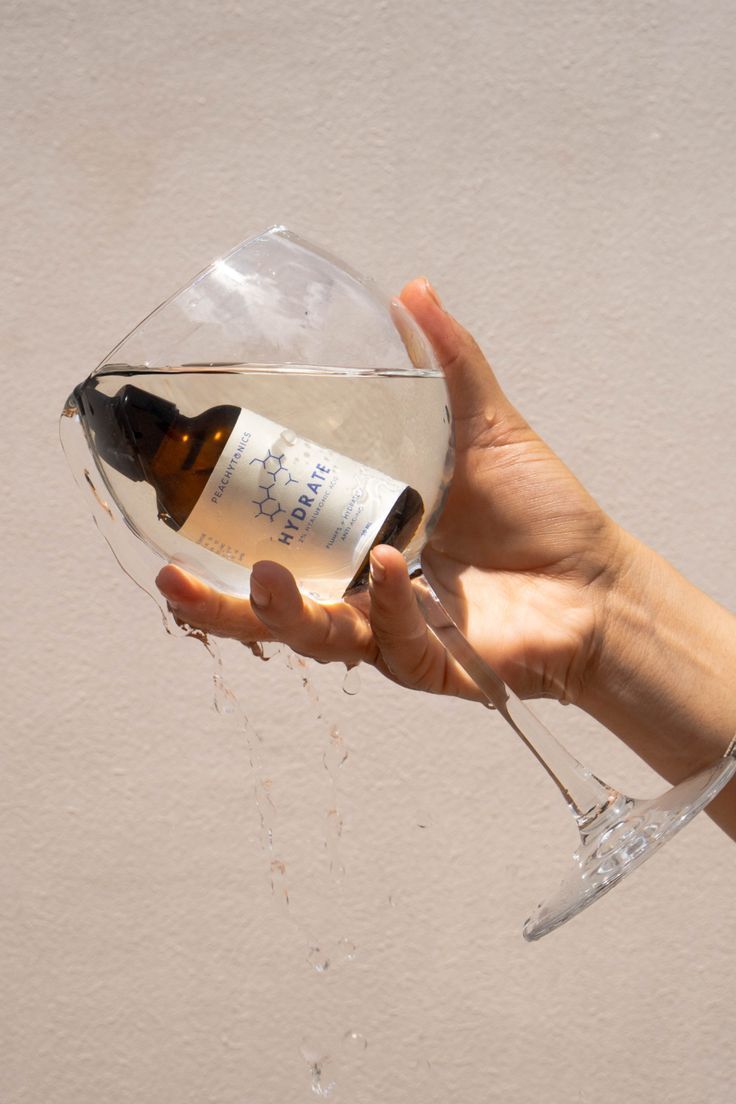
What Does It Really Mean When a Cosmetic “Hydrates” the Skin?

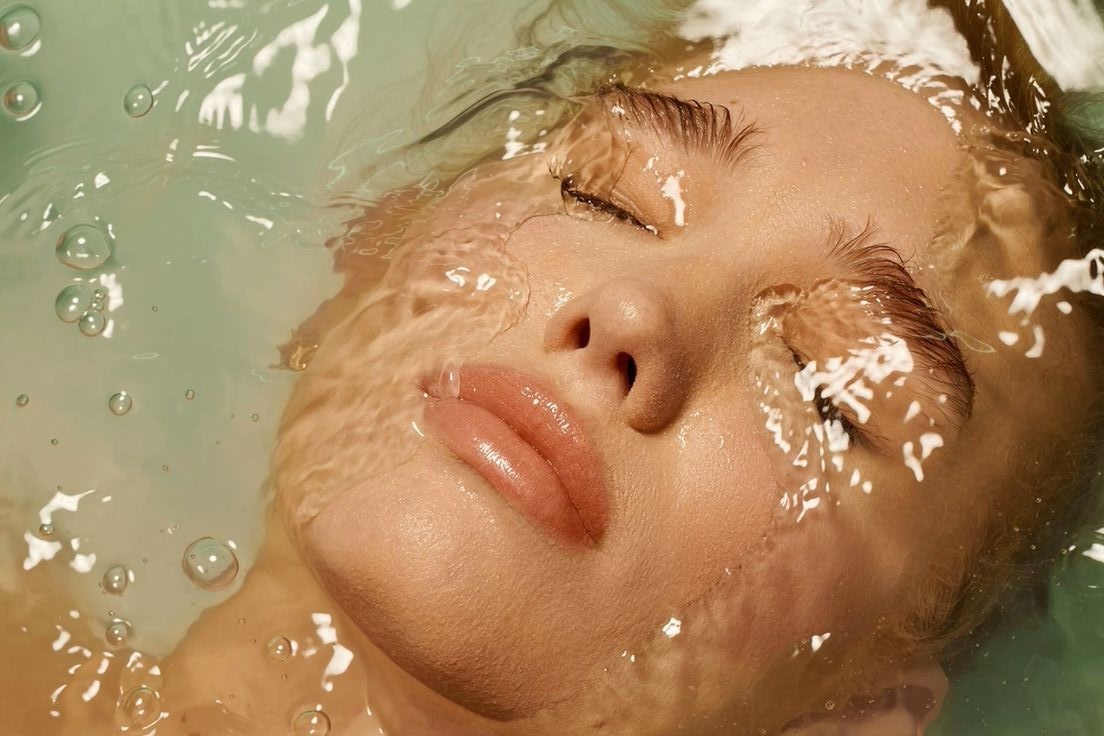
A moisturiser can leave the skin feeling soft and comfortable within minutes. But what actually happened?
Did the product add water to the skin? Did it prevent water from escaping? Did it repair the skin barrier? Or did it simply make the surface smoother, creating the sensation of hydrated skin?
The answer can be all of these, to different degrees.
Skin moisturisation is not a single mechanism. A well-designed moisturiser can combine humectants, occlusive ingredients, emollients and barrier-supporting components to influence the water balance of the stratum corneum.
For cosmetic formulators, this distinction matters. Two products can both be marketed as "hydrating" while achieving their effects through very different formulation strategies.
What Does Skin Hydration Actually Mean?
When we talk about skin hydration, we are primarily talking about the water content of the stratum corneum, the outermost layer of the epidermis.
Water plays an important role in the physical properties of this layer. Adequate hydration contributes to flexibility and softness, while low water content can make the stratum corneum less flexible and more susceptible to mechanical stress.
Hydration is also connected to the normal process of desquamation. Water influences the activity of enzymes involved in the shedding of corneocytes from the skin surface.
This is why moisturisation is more than simply making the skin feel wet.
The objective of a moisturising formulation is to promote, restore or maintain the hydration balance of the stratum corneum.
And there is more than one way to achieve that.
Humectants: Ingredients That Help Hold Water
Humectants are probably the ingredients most people associate with hydration.
A humectant is a substance capable of attracting and retaining water. Examples commonly used in cosmetic formulations include:
- glycerin;
- urea;
- sorbitol;
- sodium lactate;
- amino acids;
- and other components associated with the skin's natural moisturising factor (NMF).
The NMF is particularly interesting because it is part of the skin's own water-management system.
Components such as amino acids, urea, lactate and other small water-soluble substances are naturally present in the stratum corneum and contribute to its ability to retain water.
Cosmetic formulations can therefore use materials that complement or mimic some of these functions.
Glycerin is a particularly well-established example. The dermatological literature describes it as an effective moisturising ingredient with effects extending beyond simply attracting water. It has also been associated with supporting stratum corneum hydration and barrier function.
But humectants have a limitation.
Attracting water is only part of the moisturisation problem.
Why Humectants Alone Are Not Always Enough
Imagine adding a highly effective humectant to a formulation.
The ingredient can attract and retain water within the stratum corneum, but the skin is still exposed to the surrounding environment. Water can continue to move from the skin surface into the atmosphere.
This is where occlusive ingredients become important.
An occlusive works in almost the opposite direction to a humectant.
Rather than primarily attracting water, it helps reduce evaporative water loss by forming a hydrophobic layer over the skin.
This is why moisturisers often combine humectants and occlusives.
The humectant helps maintain water within the stratum corneum, while the occlusive helps prevent that water from escaping too quickly.
The Cosmetic Dermatology: Products and Procedures literature specifically describes occlusive agents as complementary to humectants because they reduce evaporative water loss from the stratum corneum.
What Are Occlusive Ingredients?
Occlusives can include a broad range of hydrophobic materials.
Examples include:
- petrolatum;
- certain oils;
- waxes;
- fatty alcohols;
- and selected silicones.
Petrolatum is particularly effective at reducing water loss, although its sensory characteristics may make it less desirable for some facial formulations.
Modern silicone-based materials can provide occlusive properties while producing a lighter or "drier" sensory profile.
This illustrates an important point about cosmetic formulation:
Technical performance and consumer experience have to work together.
An ingredient may be highly effective at reducing water loss, but if the resulting product feels excessively greasy or uncomfortable, consumers may simply use it less frequently.
A slightly less occlusive formulation that people enjoy using consistently can therefore be more successful in practice.
Emollients: Why Soft Skin Is Not Exactly the Same as Hydrated Skin
Emollients are another major category of moisturising ingredients.
Their primary role is to soften and smooth the skin.
Many emollients are oils, lipids or lipid-like materials. They can fill spaces between rough or uneven areas of the stratum corneum, making the skin surface feel smoother.
Some emollients can also contribute to reducing water loss because of their hydrophobic nature.
This is where terminology can become confusing.
An ingredient may have more than one function.
For example, a particular oil may act as an emollient while also providing some degree of occlusion. A formulation component should therefore not always be assigned to only one category.
The Cosmetic Formulation: Principles and Practice chapter on moisturisers specifically notes that some ingredients can operate through more than one mechanism. Mineral oil, for example, may contribute through both emollient and occlusive effects.
This is why professional formulation is more nuanced than simply dividing ingredients into "hydrating" and "non-hydrating" categories.
Barrier Function: The Part That Often Gets Oversimplified
The skin barrier plays a central role in maintaining water balance.
The stratum corneum is not simply a layer of dead cells. Its structure includes corneocytes surrounded by organised lipid domains.
These lipids are important for controlling the movement of water through the outer skin.
Among the key structural lipids are:
- ceramides;
- cholesterol;
- and fatty acids.
A formulation designed to support barrier function may therefore use lipid components that interact with or complement the lipid organisation of the stratum corneum.
This is different from simply adding a humectant.
Instead of primarily increasing the amount of water retained in the skin, the formulation is addressing the barrier that helps prevent excessive water loss in the first place.
The moisturiser chapter in Cosmetic Formulation: Principles and Practice discusses structural lipids such as ceramides, fatty acids and cholesterol in relation to skin-barrier function.
Why the Formulation Matters as Much as the Ingredient
This is one of the most useful lessons for cosmetic product development.
Suppose two products contain the same concentration of urea.
It would be tempting to assume that they should produce exactly the same moisturising effect.
They do not necessarily.
The formulation surrounding the urea can change its behaviour.
The Cosmetic Formulation: Principles and Practice literature specifically notes that moisturisation can vary for the same active substance when it is incorporated into different formulations.
This means that the vehicle is not simply a passive container.
The choice of:
- oil phase;
- emulsifier system;
- humectants;
- emollients;
- occlusives;
- polymeric ingredients;
- water content;
- and overall formulation structure
can influence the performance of the finished moisturiser.
For a professional formulator, this is a crucial distinction.
An effective moisturising ingredient does not automatically make an effective moisturising product.
Why an Emulsion Can Be an Effective Moisturising System
Many moisturisers are emulsions, particularly oil-in-water and water-in-oil creams and lotions.
This is not accidental.
An emulsion can combine water-soluble and oil-soluble components within the same product.
The aqueous phase can carry humectants and other water-compatible ingredients, while the oil phase can provide emollients, occlusive materials and structural lipids.
The emulsifier system then creates the physical structure that allows these components to coexist.
This gives the formulator considerable freedom.
A lightweight facial lotion might use a different balance of water, humectants, emollients and occlusives from a rich hand cream designed for severely dry-feeling skin.
The product category may be the same — a moisturiser — but the formulation strategy can be completely different.
Get the latest posts
Unlock a world of knowledge and inspiration - subscribe to our blog for exclusive content, expert insights, and exciting updates!
Does a Hydrating Product Always Increase Skin Water Content?
Not necessarily in the same way, and this is where testing becomes important.
A product may produce an immediate increase in measured hydration after application.
The Handbook of Cosmetic Science and Technology describes short-term moisturiser testing in which products are applied to defined areas of the forearm and hydration is measured at different time points. Most moisturisers show a rapid increase in measured hydration values after application.
But the testing conditions matter.
For example, occlusive application over a longer period can emphasise the activity of humectants differently from a simple short-term application.
This is an important reminder that hydration is not a single number independent of time and test conditions.
A product that produces a strong immediate effect may behave differently several hours later.
How Is Skin Hydration Measured?
If a product claims to improve hydration, formulators need ways to measure the effect objectively.
One of the most commonly used methods is corneometry.
A Corneometer measures changes in the electrical capacitance of the skin surface. Because the dielectric properties of the skin are influenced by water content, the measurement can be used as an indicator of stratum corneum hydration.
Another important measurement is transepidermal water loss (TEWL).
TEWL measures the movement of water vapour from the skin into the surrounding environment.
A lower TEWL can be associated with improved barrier function, although interpretation requires controlled conditions because TEWL is influenced by factors such as anatomical site, environmental conditions and the measurement equipment itself.
The Cosmetic Dermatology: Products and Procedures literature describes both Corneometer measurements for skin hydration and evaporimetric measurement of TEWL for evaluating epidermal barrier properties.
Other techniques, including optical coherence tomography, confocal methods and Raman spectroscopy, can provide additional information about skin structure or hydration.
Why One Measurement Is Not Enough
A higher hydration measurement is useful.
But it does not automatically tell us why the value increased or whether the barrier itself has improved.
This is why a well-designed moisturisation study may combine several measurements.
For example:
Corneometry can provide information about stratum corneum hydration.
TEWL can provide information relevant to barrier function and water loss.
Visual assessment can evaluate dryness, scaling or surface appearance.
Sensory assessment can investigate how the skin feels.
Together, these measurements provide a much more complete picture than any single instrument.
The literature also demonstrates that results can depend on the duration of treatment. In one example discussed in Dermatologic, Cosmeceutic, and Cosmetic Development, longer-term treatment with a urea-containing moisturiser reduced basal TEWL, while shorter-term treatment behaved differently.
This is a useful formulation lesson:
The time point at which you measure a product can change the conclusion you reach.
Hydration, Barrier and Skin Feel Are Connected — But Not Identical
A moisturiser can make the skin feel dramatically smoother after one application.
That does not necessarily mean that the product has permanently changed the skin barrier.
Likewise, an increase in measured hydration does not automatically mean that the consumer will perceive the product as more pleasant.
These are related but distinct dimensions of performance.
A successful moisturiser therefore needs to balance:
- water retention;
- barrier support;
- surface smoothness;
- sensory properties;
- formulation stability;
- and long-term consumer acceptability.
This is one reason why modern moisturiser development is not simply about finding the strongest humectant or the most effective occlusive.
It is about building a system.
The Formulator's Approach to Hydration
When developing a moisturising product, the most useful question is not:
"Which ingredient hydrates the skin best?"
It is:
"What is limiting hydration in this particular product and for this particular skin application?"
If the problem is insufficient water retention, a humectant system may be important.
If excessive water loss is the issue, occlusion may play a greater role.
If the skin surface is rough and uneven, emollients may provide an immediate sensory and visual improvement.
If barrier lipid organisation is compromised, a formulation incorporating appropriate lipid components may be more relevant.
Often, the answer is a combination of mechanisms rather than one ingredient.
That is why professional formulation development involves selecting ingredients not only for their individual properties, but for how they behave together in the finished product.
The Bottom Line
When a cosmetic product says it "hydrates the skin," the phrase can describe several different formulation effects.
Humectants help attract and retain water.
Occlusives help reduce evaporative water loss.
Emollients soften and smooth the skin and can also contribute to reducing water loss.
Barrier-supporting ingredients can help address the lipid organisation and function of the stratum corneum.
And the formulation vehicle determines how these components ultimately work together.
Hydration can also be measured objectively. Corneometry can provide information about stratum corneum hydration, while TEWL can help assess water loss and barrier behaviour. But neither measurement should be interpreted without considering the study design and the other characteristics of the product.
The most effective moisturiser is therefore not necessarily the one with the highest concentration of a famous hydrating ingredient.
It is the one in which humectants, emollients, occlusives, barrier-supporting components and the formulation vehicle are designed to work together for the intended skin and application.
That is the difference between adding a "hydrating ingredient" to a formula and actually developing a moisturising product.
References
- Benson, H. A. E., Roberts, M. S., Leite-Silva, V. R., & Walters, K. A. (Eds.). (2019). Cosmetic Formulation: Principles and Practice. CRC Press.
- Barel, A. O., Paye, M., & Maibach, H. I. (Eds.). (2009). Handbook of Cosmetic Science and Technology, 3rd ed. Informa Healthcare.
- Draelos, Z. D. (Ed.). (2010). Cosmetic Dermatology: Products and Procedures. Wiley-Blackwell.
- Walters, K. A., & Roberts, M. S. (Eds.). (2008). Dermatologic, Cosmeceutic, and Cosmetic Development: Therapeutic and Novel Approaches. Informa Healthcare.
Related posts
Cosmetic Emulsions: Formulation, Common Emulsifiers & Stability Insights