Knowledge Base
What Is a Cosmetic Product?
A cosmetic product is a substance or preparation intended to be placed in contact with external parts of the human body, including the skin, hair, nails, lips and external genital organs, or with the teeth and the mucous membranes of the oral cavity.
According to the European cosmetic product definition, the main purposes of a cosmetic product are to clean, perfume, change the appearance, correct body odours, protect or maintain the treated parts of the body in good condition.
This definition is important because it establishes both the intended areas of application and the functions that a product may perform while being classified as a cosmetic.
What Products Are Considered Cosmetics?
Cosmetic products cover a broad range of personal care categories. They can include products designed for the skin, hair, nails, lips, teeth and oral cavity.
Skincare Products
Examples include creams, emulsions, lotions, gels, oils, face masks, tinted bases and other products intended for application to the skin.
Haircare Products
Cosmetic hair products include shampoos, conditioners, hair oils, hair-setting products and products designed for colouring, waving, straightening or otherwise styling the hair.
Makeup and Colour Cosmetics
Makeup products such as foundations, powders, facial and eye makeup, lip products and other colour cosmetics can fall within the cosmetic product category.
Cleansing and Bath Products
Soaps, shower gels, bath foams, bath oils and other cleansing or bathing preparations can be considered cosmetic products when they meet the relevant definition and requirements.
Deodorants and Personal Hygiene Products
Deodorants, antiperspirants and products intended for external intimate hygiene can also fall within the cosmetic product category.
Oral Care Products
Products intended for the care of the teeth and mouth, including toothpastes and other oral hygiene preparations, may also be classified as cosmetics under the applicable European framework.
Nail Care Products
Nail care and nail makeup products, including nail polishes, are also included within the broad range of cosmetic products.
What Functions Can a Cosmetic Product Perform?
The intended function is an important part of determining whether a product falls within the cosmetic product definition.
Cleansing
Cosmetic products can be intended to clean the skin, hair, teeth or other permitted areas of application.
Perfuming
Products such as perfumes, eau de Cologne and other fragranced preparations can be used primarily to impart or enhance a pleasant scent.
Changing Appearance
Makeup, hair colourants and other cosmetic products can be designed to alter or enhance the appearance of the treated area.
Protecting and Maintaining
Cosmetic products can also be formulated to protect the skin or other permitted areas of application and to help maintain them in good condition.
Correcting Body Odour
Deodorants and related personal care products can be designed to reduce or correct undesirable body odours.
Cosmetic Products Under EU Regulation
The definition of a cosmetic product in Europe is supported by the requirements established under Regulation (EC) No 1223/2009 on cosmetic products.
The Regulation provides the principal legal framework governing cosmetic products placed on the EU market. It covers areas including product safety, responsible persons, product information, ingredients, labelling and other requirements that need to be fulfilled before a cosmetic product is marketed.
For cosmetic product development, understanding the regulatory classification of the product is therefore an important part of the development process.
Products That Can Be More Difficult to Classify
Some products can have characteristics that make their classification less straightforward, particularly when their intended function overlaps with another regulatory category.
Sun Protection Products
Suntanning and sun-related preparations can fall within the cosmetic category in Europe when they meet the applicable definition and requirements. Their regulatory treatment can differ between markets.
Antiperspirants
Antiperspirants can also be considered cosmetic products within the European framework, although their classification and regulatory treatment may differ in other parts of the world.
Anti-Dandruff Products
Anti-dandruff shampoos are another example where classification can depend on the product's intended function and the regulatory framework of the market in which the product is sold.
This highlights the importance of assessing not only the ingredients in a product but also its intended purpose, claims and presentation.
Cosmetic Products and Product Development
Product Concept
The intended purpose of a cosmetic product should be established at the beginning of development. This helps determine the appropriate formulation approach, target application area and regulatory requirements.
Formulation
The formulation needs to be developed around the intended cosmetic function while taking into account ingredient compatibility, stability, safety and sensory properties.
Claims
The claims used to describe a cosmetic product should be consistent with its intended cosmetic function and supported by appropriate evidence where required.
Regulatory Compliance
Before placing a cosmetic product on the EU market, the formulation and finished product need to meet the applicable requirements of the EU Cosmetics Regulation. Regulatory considerations should therefore be integrated into product development rather than addressed only at the end of the process.
Cosmetic Products in Different Markets
Although the EU provides a clear regulatory framework for cosmetic products, the classification of certain products can vary between countries and regions.
A product that is considered a cosmetic in Europe may be regulated differently in another market depending on its ingredients, intended use, claims and presentation.
For brands planning international distribution, regulatory assessment should therefore be carried out for each intended market.
References
Source: Safety Assessment of Cosmetics in Europe – Vera Rogiers and Marleen Pauwels.
Source: Regulation (EC) No 1223/2009 of the European Parliament and of the Council on cosmetic products.

Copper tripeptide-1 (Cu-GHK) was the first peptide used in cosmetics for skin application, and resemble the alpha chain of collagen.
This carrier peptide is very versatile concerning several skin functions, including stimulation of collagen, glycosaminoglycans, elastin and proteoglycans synthesis by fibroblasts, as well as anti-inflammatory response. Cu-GHK comprises numerous cosmetic applications, being used in products for its efficacy in reducing wrinkles, hyperpigmentation and photo damage, in stimulating keratinocyte proliferation and improving the skin barrier.
A study conducted by Huang et al., demonstrated that Cu-GHK when used with therapeutic light-emitting diode (light therapy to prevent aging and aid the healing process) led to an increase in pro collagen type I synthesis (about 230.0 %), as well as in basic fibroblast growth factor production (about 30.0 %). Therefore, it is concluded that Cu-GHK may be an ally in combating skin aging, since it promotes fibroblast growth and collagen synthesis, as well as epidermal repair.
Source: Journal of Drug Delivery Science and Technology - Anti-aging peptides for advanced skincare: Focus on nanodelivery systems


What Is Carnauba Wax?
Carnauba Wax is produced by the Brazilian palm Copernicia cerifera, which deposits the wax on the cuticle of its fronds. The leaves are harvested, dried in the sun and threshed to obtain the wax.
Carnauba Wax has a narrow melting range with a melting point of approximately 84°C. Its high crystallinity and strong contraction make it a very hard and brittle wax.
Key Properties of Carnauba Wax
High Melting Point
Its high melting point makes Carnauba Wax useful for increasing the melting point and structural stability of oil-based formulations.
Hardness and Structure
The wax provides firmness and structure, making it particularly useful in solid and stick-type cosmetic products.
Emulsification and Oil-Binding Properties
Carnauba Wax has favourable emulsification properties and a strong capacity for binding ester oils and mineral oils.
Gloss and Lustre
It can provide a glossy, lustrous surface, which is particularly desirable in decorative cosmetics and lip products.
Cosmetic Applications
Carnauba Wax is commonly used in:
- Lipsticks
- Lip balms
- Mascaras
- Oil gels
- Decorative cosmetics
It is particularly valuable in lipsticks and lip balms because it raises the melting point of oil gels while providing the desired hardness and structure. Its ability to create glossy surfaces also makes it highly suitable for mascaras and other decorative products.
Ingredient Information
INCI: Copernicia Cerifera (Carnauba) Wax
CAS: 8015-86-9
EINECS/EC: 232-399-4
References
Cosmetic Formulation Principles and Practice – Heather A.E. Benson, Michael S. Roberts, Vânia Rodrigues Leite-Silva, Kenneth A. Walters.

Collagen is a natural protein found in the connective tissue of the skin (where it accounts for 70% of its content), as well as in the organs, muscles, bone and cartilage. In fact, there are more than 25 different types of collagen in our bodies. In the skin, it adds suppleness, plumpness, flexibility and spring, and, together with elastin, adds texture and structure. However, as skin ages or is exposed to sun damage, its collagen content is reduced, making skin progressively drier, thinner, flatter, less flexible and more wrinkle-prone. Since animal-derived and plant- derived pseudo-collagen also retains many times its own weight in water, these substitutes are used as conditioning, hydrating and suppleness-boosting ingredients in anti-aging products.
Source: Handbook Of Natural Ingredients - Anthony C. Dweck

Improves the feel of hair and skin. For example, hair conditioners leave hair smooth, soft and static-free.
Benefits of conditioning agents
Conditioning agents offer a number of benefits for hair and skin, including:
Reduce frizz: Conditioning agents smooth the hair shaft and fill in gaps between the cuticles, which helps to reduce frizz and make the hair look more manageable.
Increase shine: Conditioning agents add a layer of lubrication to the hair shaft, which helps to reflect light and make the hair look shinier.
Improve detangling: Conditioning agents make the hair slippery and easier to comb, which can help to prevent breakage and split ends.
Protect from damage: Conditioning agents help to seal in moisture and protect the hair from environmental damage, such as heat styling, sun exposure, and chlorine.
Hydrate the skin: Conditioning agents can help to hydrate the skin and make it feel soft and supple.
It is the white, semi solid fat extracted from coconut kernels. Besides being an emollient, it lathers easily, so it is ideal use in baby soap, cleansers, shampoos, and shaving cream. Often blended with other fats, it is also popular in hair styling products, massage creams, ointments, pre-shave lotions and suncare.(ACD: it is an oil and does not lather at all, it saponified easily to produce a sodium or potassium cocoate soap that lathers with a rich, creamy foam). Coconut oil is the natural alternative to mineral oil and it is an excellent moisturiser, emollient, and protective to dry and scaly skin. Using coconut oil as a pre wash conditioner can help reduce or eliminate dandruff.
(CAS: 8001-31-8/EINECS: 232-282-8)

Citric Acid is one of the best known and most widely used fruit acids. Its counterpart is a “natural” for buffering cosmetic products to the pH of the skin (5.5, 6.0). It provides a major labelling advantage over hydrochloric acid or phosphoric acids. Citric acid is a very mild acid. At concentrations normally used in cosmetic applications it is non-irritating to the skin and practically odourless.The main commercial source is from the fermentation of crude molasses by strains of Aspergillus niger. It is employed in “artificial lemon” bleach creams and lotions, in hair rinses, bath salts, denture powders, tablets, mouthwashes, nail bleaches and some astringent lotions. A 7% aq. Solution of citric acid approximates to lemon juice but does not possess the vitamin C activity.
(CAS: 77-92-9/EINECS: 201-069-1)

Colipa is the European trade association for cosmetic and personal care industry. Colipa represents the cosmetic industry at a national level where the association represents cosmetic and personal care manufacturers across Europe and beyond. The association represents a range number of innovative companies either directly or at national membership.
The need to have a product that is safe for the targeted group is important to both the producers and the consumers at large. Moreover, abiding by the set legislation in Europe requires that an umbrella body should be present to ensure quality. Individuals also like certified products that they feel safe when they use them. Over the last 50 years, Colipa has taken it on their shoulder it ensure consumers get the best product available on the market. During this period the organization has been the voice of cosmetic and personal care industry in Europe.
The association follows regulations set at the European level. As such the association in collaboration with other policymakers, it also makes sure that European regulation is as effective and appropriate as it could be. This makes our regulatory process understanding be not comparable to any other.
Source: www.colipa.eu

Chelating agents such as phytic acid extracted from rice bran could be added to enhance the activity of the natural preservative. There are a number of suppliers for this material. Another option is to use a naturally produced material such as sodium gluconate. Sodium gluconate is the sodium salt of gluconic acid, produced by the fermentation of glucose. It is a white crystalline powder, very soluble in water. Non-corrosive, nontoxic and readily biodegradable (98% after two days), sodium gluconate is an effective chelating agent especially in alkaline and concentrated alkaline solutions.
It forms stable chelates with calcium, iron, copper, aluminum and other heavy metals. It is as effective as other chelating agents, such as ethylenediaminetetraacetic acid (EDTA) and related salts. Aqueous solutions of sodium gluconate are resistant to oxidation and reduction, even at high temperatures. However, it is easily degraded biologically (98% after two days) and thus presents no wastewater problem. It is used in the food industry.
Chelating agents interfere with the cellular membranes that surround all organisms and weaken them by depriving them of the trace elements that they need for cellular function. Extremely high levels of chelating agent have been used as preservatives on their own.
Source: Dweck, Anthony. Handbook of Formulating Natural Cosmetics (Dweck Books 1) (pp. 83-84).

Charcoal Powder is the dried, carbonaceous material obtained from the heating of organic substances. It is a high activity powder carbon for use in continuous and batch dosing water treatment systems. It is manufactured from specific grades of bituminous coal to produce a high quality powder carbon. It is proven in the removal of taste and odour from water by the adsorption of contaminants such as Methyl Isoborneol and Geosmin. It is particularly efficient in the removal of pesticides from water such as Atrazine and Simazine, plus other dissolved organic matter. It can be used in the treatment of drinking water, wastewater (both domestic and industrial) and where colour causing contaminants need to be removed from water. Wet carbon in enclosed filters can deplete oxygen. No adverse effect is expected when applied to the skin, but there is no data to evaluate any effects.
(CAS: 8021-96-6/EINECS: not found)
What Is a Cosmetic Challenge Test?
A cosmetic challenge test, also known as a preservative efficacy test (PET), is a microbiological test used to evaluate the effectiveness of the preservation system in a cosmetic product.
During the test, a known quantity of selected microorganisms is deliberately introduced into the cosmetic formulation. The product is then monitored at defined time points to determine whether the microorganisms are reduced, remain controlled or continue to grow.
The purpose is to demonstrate that the formulation has an adequate level of antimicrobial protection and is capable of resisting microbial contamination during its intended use.
A challenge test is particularly important for cosmetic products containing water or other ingredients that can support microbial growth. However, the need for testing should ultimately be considered as part of the product's overall microbiological risk assessment.
Why Is a Challenge Test Important?
The presence of a preservative in a cosmetic formulation does not automatically mean that the finished product is adequately preserved.
The effectiveness of a preservation system depends on the complete formulation, including factors such as pH, water availability, raw materials, emulsifiers, surfactants, packaging and the interaction between the preservative and other ingredients.
A preservative system that performs well in one formulation may therefore perform differently in another.
The challenge test provides practical evidence of how the preservation system performs in the finished formulation.
Evaluating Preservative Efficacy
The primary purpose of the test is to determine whether the selected preservation system can control the microorganisms introduced into the product.
Supporting Microbiological Safety
Microbial contamination can cause deterioration of a cosmetic product and may present a safety concern. Effective antimicrobial protection helps minimise this risk.
Supporting Product Stability
Microbial growth can change the appearance, odour, texture and other characteristics of a formulation. Effective preservation helps maintain product quality during its intended shelf life.
Supporting Formulation Development
Challenge testing is not only a final quality-control exercise. It can also be an important formulation-development tool, allowing the formulator to identify preservation problems while there is still an opportunity to modify the formula.
How Does a Cosmetic Challenge Test Work?
The basic principle is relatively straightforward.
A defined quantity of selected microorganisms is introduced into separate samples of the cosmetic product. Samples are then examined at predetermined time points to determine the number of microorganisms that remain viable.
The results are expressed as changes in microbial counts, commonly as logarithmic reductions.
The greater the reduction in microbial numbers, and the longer that reduction is maintained without subsequent growth, the stronger the demonstrated antimicrobial protection.
ISO 11930 describes a reference approach for evaluating the antimicrobial protection of cosmetic products and includes a preservation efficacy test as well as an overall assessment of antimicrobial protection.
Which Microorganisms Are Tested?
The challenge test uses microorganisms representative of the main groups of microorganisms that may contaminate cosmetic products.
The original A&T formulation describes four representative groups:
Gram-Negative Bacteria
Pseudomonas aeruginosa is used as a representative Gram-negative bacterium and is particularly relevant to the microbiological evaluation of water-containing cosmetic products.
Gram-Positive Bacteria
Staphylococcus aureus represents Gram-positive bacteria and is included to evaluate the preservation system against this group of microorganisms.
Yeasts
Candida albicans represents yeast contamination.
Moulds
Aspergillus brasiliensis represents mould contamination.
Current ISO 11930 methodology also identifies these microorganisms as reference strains for preservation efficacy testing. Some testing programmes may include additional microorganisms when justified by the characteristics or risk profile of a particular product.
Microbial Inoculation and Monitoring
The microorganisms are introduced into the product as calibrated inocula. Each microorganism is generally evaluated separately so that the response of the preservation system against different microbial groups can be assessed.
The samples are then stored under controlled conditions and examined at defined intervals.
Microbial counts are determined at these time points and compared with the initial inoculum.
The resulting data show whether the microorganism population:
- decreases,
- remains controlled, or
- increases during the test period.
This is important because a preservation system should not merely produce an initial reduction in microbial numbers. It must also prevent subsequent recovery and growth during the evaluation period.
Log Reduction in Challenge Testing
Challenge-test results are commonly expressed as log reductions.
A log reduction describes the decrease in the number of viable microorganisms compared with the initial microbial count.
For example, a:
- 1-log reduction corresponds to a 90% reduction,
- 2-log reduction corresponds to a 99% reduction,
- 3-log reduction corresponds to a 99.9% reduction.
This provides a quantitative way of assessing the performance of the preservation system.
The required reduction depends on the microorganism and the test criteria being applied.
Challenge Test Acceptance Criteria
Different standards and methods can use different acceptance criteria. The original A&T content describes the Ph. Eur. criteria and distinguishes between the more stringent A criteria and the less stringent B criteria.
Under the criteria described in the original A&T content, bacteria must show at least a 2-log reduction within 2 days and a 3-log reduction within 7 days, with no subsequent increase in microbial numbers through the later observation points.
For fungi, the original criteria require at least a 2-log reduction within 7 days, again with no subsequent increase through the end of the evaluation period.
The exact acceptance criteria should always be interpreted according to the specific standard and test method used for the product. ISO 11930 provides its own evaluation framework for preservation efficacy and overall antimicrobial protection.
ISO 11930 and Cosmetic Challenge Testing
ISO 11930 – Cosmetics — Microbiology — Evaluation of the antimicrobial protection of a cosmetic product is one of the key international standards used when evaluating the preservation of cosmetic products.
The standard describes a preservation efficacy test and a procedure for evaluating the overall antimicrobial protection of a cosmetic product.
Importantly, antimicrobial protection does not necessarily come only from the chemical preservative. ISO 11930 recognises that protection can also be influenced by:
- The formulation itself
- The preservation system
- Packaging design
- Manufacturing conditions
- The overall microbiological risk of the product
This means that preservation should be considered as a complete system rather than simply as the presence or absence of a particular preservative.
Which Cosmetic Products May Require Challenge Testing?
Challenge testing is particularly relevant to cosmetic formulations that contain water and are potentially susceptible to microbial growth.
Examples include:
Creams and Lotions
Emulsions containing an aqueous phase generally require careful consideration of their preservation system.
Serums and Gels
Water-based serums and gels can provide favourable conditions for microbial growth if they are not adequately protected.
Shampoos and Shower Gels
These products often contain substantial amounts of water and therefore require appropriate microbiological protection.
Liquid Cleansers
Water-based cleansing products can also require effective preservation depending on their composition and packaging.
Other Water-Containing Products
Many other cosmetic formulations may require challenge testing depending on their microbiological risk profile.
Not every cosmetic product necessarily requires a conventional challenge test. ISO 11930 specifically provides for products that have been determined to have a sufficiently low microbiological risk according to the relevant risk-assessment approach.
Challenge Testing During Cosmetic Product Development
One of the most important reasons to perform a challenge test is to identify preservation problems before the formulation is finalised.
A formulation may appear completely satisfactory during development while still having inadequate microbiological protection.
Challenge testing can therefore be incorporated into the development process alongside other formulation and stability evaluations.
If the formulation fails the test, the formulator may need to investigate factors such as:
Preservative Selection
The selected preservative or preservative combination may not provide sufficient broad-spectrum protection for the formulation.
Preservative Concentration
The concentration may be insufficient under the specific formulation conditions.
pH
The activity of certain preservatives can depend strongly on formulation pH.
Ingredient Interactions
Other ingredients can affect the availability or effectiveness of a preservative.
Packaging
The packaging system can influence the level of microbial exposure during consumer use.
A challenge-test failure therefore provides valuable information for formulation optimisation rather than simply indicating that the product cannot be developed.
Challenge Test and Packaging
Packaging is an important part of the overall microbiological protection of a cosmetic product.
A product used repeatedly by consumers may be exposed to microorganisms during normal handling. The design of the package can influence how much opportunity there is for contamination.
Examples of packaging considerations include:
- Open jars
- Pumps
- Airless systems
- Single-use packaging
- Applicator systems
The formulation and packaging should therefore be considered together when assessing the microbiological protection of the final cosmetic product.
ISO 11930 includes consideration of packaging characteristics as part of the overall evaluation of antimicrobial protection.
Challenge Test vs. Microbiological Quality Testing
A challenge test should not be confused with routine microbiological quality testing.
Microbiological Quality Testing
Routine microbiological testing evaluates whether microorganisms are present in a production sample and whether the product meets defined microbiological quality requirements.
Challenge Testing
A challenge test deliberately introduces selected microorganisms into the formulation to evaluate the effectiveness of the preservation system.
The two tests therefore answer different questions and can form complementary parts of a cosmetic product's microbiological quality and safety strategy.
What Happens If a Cosmetic Fails the Challenge Test?
A failed challenge test does not necessarily mean that the entire product concept must be abandoned.
Instead, the result can help identify weaknesses in the preservation system.
Depending on the formulation, possible development actions may include:
- Changing the preservative system
- Optimising preservative concentration
- Adjusting the formulation pH
- Modifying the formulation composition
- Introducing synergistic antimicrobial ingredients where appropriate
- Reviewing manufacturing conditions
- Changing the packaging system
- Repeating the challenge test after reformulation
The reformulated product should then be appropriately re-evaluated to demonstrate that the revised preservation system provides sufficient protection.
Challenge Testing and Cosmetic Product Safety
Preservation is an important part of cosmetic microbiological safety, but it should not be considered in isolation.
A complete microbiological risk assessment can consider:
- Raw material microbiological quality
- Manufacturing hygiene
- Water quality
- Product formulation
- pH and water availability
- Preservation system
- Packaging
- Intended consumer use
- Product application area
- Expected shelf life
ISO 11930 explicitly places preservation efficacy testing within the broader evaluation of the overall antimicrobial protection of a cosmetic product.
When Is a Challenge Test Not Necessary?
A conventional challenge test is not necessarily required for every cosmetic product. The need for preservative efficacy testing should be determined as part of the product's microbiological risk assessment, taking into account the formulation, packaging, manufacturing process and intended use.
ISO 11930 recognises that some cosmetic products may have a sufficiently low microbiological risk that a conventional preservation efficacy test is not required. However, this conclusion should be supported by a documented and scientifically justified assessment rather than simply assuming that a product does not need testing.
Anhydrous Products
Products containing no water, or only negligible amounts of water that are not available to support microbial growth, may have a low microbiological risk.
Examples can include certain:
- Anhydrous oils
- Oil-based balms
- Some lip products
- Certain wax-based products
However, the absence of added water alone does not automatically mean that microbiological risk is zero. The complete formulation and manufacturing conditions should still be evaluated.
Products with Very Low Water Availability
Some formulations may contain water but have conditions that make microbial growth highly unlikely. Low water activity (aw) can significantly limit the ability of microorganisms to grow.
In these cases, the microbiological risk assessment may provide sufficient justification for not performing a conventional challenge test.
Products with Extreme pH
Formulations with a sufficiently low or high pH may create an environment that is unfavourable for the growth of many microorganisms.
However, pH alone should not automatically be used as justification for omitting a challenge test. The resistance of different microorganisms to the specific formulation conditions and the complete product composition should be considered.
Products with High Alcohol Content
Certain products containing a sufficiently high concentration of alcohol can have a low microbiological risk because the formulation itself provides antimicrobial protection.
Examples may include some alcohol-based products and specific hydroalcoholic formulations.
The actual alcohol concentration and the complete formulation need to be assessed before concluding that conventional challenge testing is unnecessary.
Products in Protective or Single-Use Packaging
Packaging can significantly reduce the possibility of microbial contamination during consumer use.
Examples include:
- Single-dose products
- Individually packaged products
- Certain airless dispensing systems
- Packaging systems that minimise repeated contact with the formulation
Nevertheless, packaging should be considered as one element of the microbiological risk assessment, rather than automatically replacing preservation efficacy testing.
Products with an Inherently Low Microbiological Risk
Some products may have a combination of characteristics that makes microbial growth unlikely. This can include a combination of low water availability, an unfavourable pH, antimicrobial formulation characteristics and protective packaging.
For such products, a documented risk assessment may conclude that a conventional challenge test is not necessary.
When Can a Challenge Test Be Omitted?
The important principle is that a challenge test should not be omitted simply because a product appears unlikely to support microbial growth.
Instead, the decision should be based on a documented microbiological risk assessment demonstrating why the product has sufficiently low microbiological risk.
Factors that may be considered include:
- Water content and water activity
- Formulation pH
- Alcohol concentration
- Presence of ingredients with antimicrobial properties
- Product composition
- Packaging design
- Manufacturing conditions
- Intended method of application
- Frequency of consumer use
- Risk of contamination during use
- Product's intended area of application
If the overall assessment demonstrates that the product has a sufficiently low microbiological risk, a conventional preservative efficacy test may not be necessary.
Low-Risk Does Not Mean No Microbiological Testing
It is important to distinguish between not requiring a challenge test and not requiring microbiological evaluation at all.
Even when a product is considered low risk, other aspects of microbiological quality may still need to be assessed as part of the product safety and quality-control process.
The decision to omit challenge testing should therefore be supported by appropriate technical justification and documented within the product development and safety documentation.
Challenge Test or Risk Assessment?
The decision can essentially be viewed as two different approaches:
Products with a meaningful microbiological risk:
A preservative efficacy/challenge test can be used to demonstrate that the formulation provides adequate antimicrobial protection.
Products with sufficiently low microbiological risk:
A scientifically justified microbiological risk assessment may demonstrate that a conventional challenge test is not necessary.
This distinction is particularly important during professional cosmetic formulation because the objective is not simply to include a preservative or perform a test, but to demonstrate that the finished product has an appropriate level of microbiological protection for its intended use.
A challenge test is therefore an important tool, but it is not a universal requirement for every cosmetic formulation.
Why Challenge Testing Matters in Professional Cosmetic Formulation
A cosmetic formula can have excellent texture, appearance, stability and sensory performance and still be unsuitable for launch if its microbiological protection is inadequate.
Challenge testing provides evidence that the preservation system works within the actual formulation, rather than simply assuming that a particular preservative will be effective because it is commonly used.
For professional cosmetic development, this makes challenge testing an important tool for:
- Preservative selection
- Formula optimisation
- Microbiological risk management
- Product safety
- Shelf-life development
- Packaging decisions
- Regulatory and safety documentation
A well-designed preservation strategy, supported by appropriate microbiological testing, helps ensure that the finished cosmetic product remains adequately protected throughout its intended period of use.
References
Source: Cosmetic Formulation Principles and Practice – Heather A.E. Benson, Michael S. Roberts, Vânia Rodrigues Leite-Silva, Kenneth A. Walters.
Chemical Abstracts Service Registry. A registry of unique numeric identifiers allocated to each substance. A CAS Registry Number (abbreviated CASN, CASRN or CAS#) can contain up to 10 digits, divided by hyphens into 3 parts. The first part of the number has up to 7 digits; the second part has 2 digits, and the final part consists of a single check digit used to verify by computer the validity and uniqueness of the entire number. The full CAS Registry can be searched from different online sources.
Source: https://ec.europa.eu/
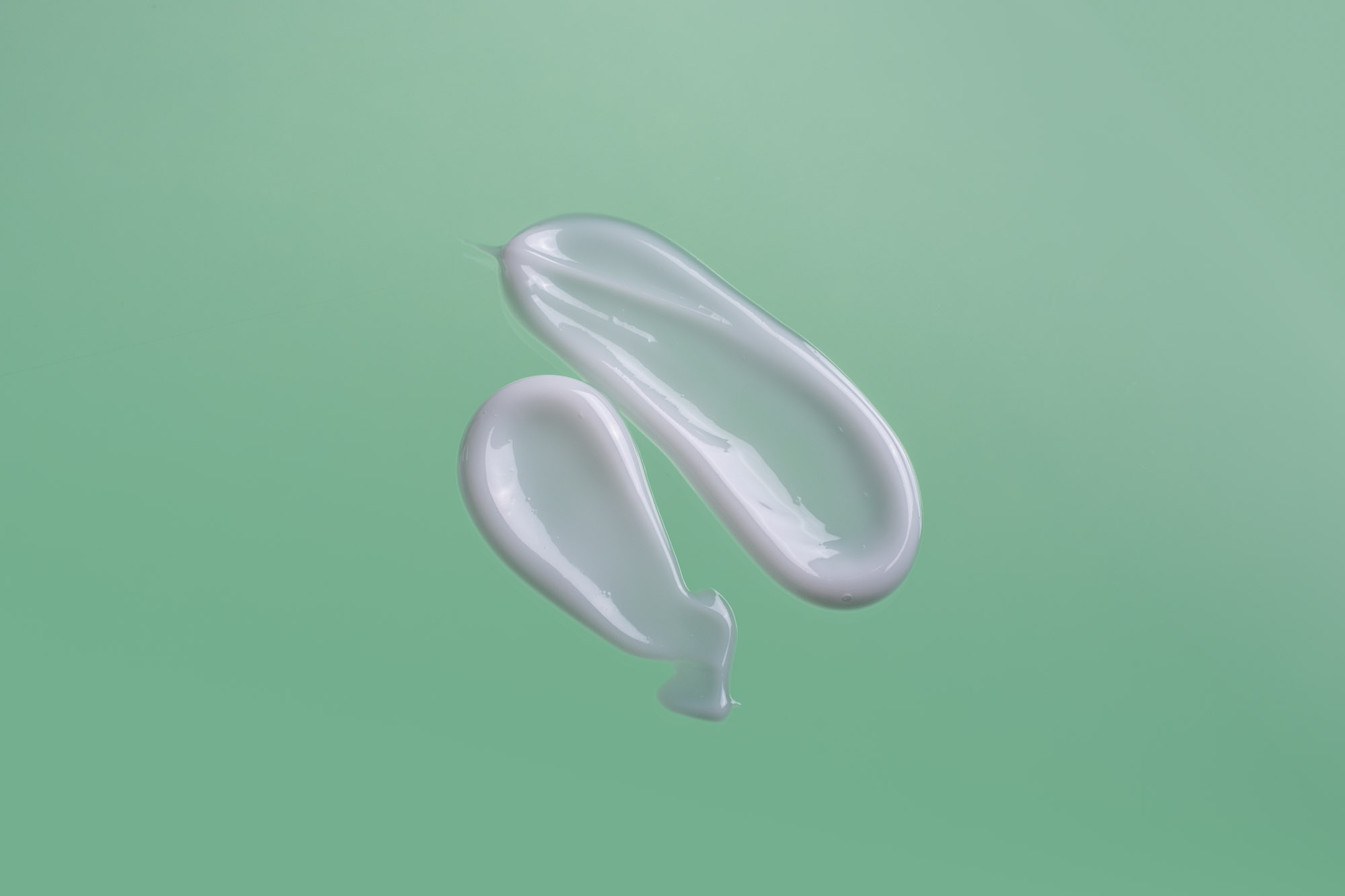
Cellulose Gum is a modified cellulose polymer used in cosmetic products up to 10%. Most cellulose gums are naturally derived as an unwanted part of the wood pulp process to produce paper. Cellulose is the main constituent in plant fibre. Cotton, for example, is 90% cellulose. Used as a thickening agent and emulsifier, it is widely used in cosmetics, hair and skin care because it swells in water. The cellulose derivatives pass essentially unchanged through the gastrointestinal tract following oral administration. It is practically non toxic when administered by inhalation or by oral, intraperitoneal, subcutaneous, or dermal routes. The cellulose derivatives up to 100% were non irritating to mildly irritating, non sensitising, and non photosensitizing when evaluated in clinical studies. It is concluded that the ingredient reviewed is safe as a cosmetic ingredient in the present practices of use and concentration.
(CAS: 9004-32-4/EINECS: not found)

An extract of the flowers of the ylang-ylang, cananga odorata, Annonaceae. Ylang-ylang is extremely effective in calming and bringing about a sense of relaxation. It is antispasmodic, balances equilibrium, said to help with sexual disabilities and frigidity and has been used traditionally to balance heart function. Ylang-ylang in the Malayan language means “flower of flowers”. The scent is very sensual, sweet and reminiscent of almonds. It is mentally relaxing and soothing. It is useful in treating insomnia, anger, anxiety and low-esteem. It is said to relax facial muscles and a massage with ylang-ylang helps to ease tension headaches.
(CAS: 83863-30-3/EINECS: 281-092-1)

What Is Cera Alba?
Beeswax is a secretion produced by the abdominal glands of honeybees. Freshly secreted beeswax is white and colourless, but it develops its characteristic colour as bees collect and store pollen and honey.
For cosmetic purposes, yellow beeswax is referred to as Cera Flava, while white beeswax is known as Cera Alba. Beeswax has a relatively low melting point of approximately 61–65°C and is moderately hard, while becoming somewhat sticky, plastic and kneadable at body temperature.
Key Properties of Beeswax
Excellent Oil-Binding Properties
Beeswax is one of the most effective oil-binding waxes used in cosmetics. This makes it particularly useful for creating rich, creamy textures.
Texturising and Film-Forming
It contributes structure, adhesion and a pleasant film on the skin, making it especially valuable in lip and skin-care products.
Emulsion Stabilisation
Its oil-gelling properties can help stabilise water-in-oil emulsions and provide the desired consistency in skin and hair formulations.
Cosmetic Applications
Beeswax is commonly used in:
- Lipsticks and lip balms
- Water-in-oil emulsions
- Skin and hair care products
- Mascara
- Make-up products
In decorative cosmetics, beeswax can enhance texture and add volume, while in lip products it helps create creamy textures, good adhesion and a pleasant protective film.
Ingredient Information
INCI: Cera Alba
CAS: 8012-89-3
EINECS/EC: 232-383-7
References
Cosmetic Formulation Principles and Practice – Heather A.E. Benson, Michael S. Roberts, Vânia Rodrigues Leite-Silva, Kenneth A. Walters.

What Are Ceramides?
Ceramides are amides of sphingosine and ω-hydroxy fatty acids, with the hydroxyl group esterified with linoleic acid. They are colourless, wax-like substances that are practically insoluble in water and are usually supplied in powder form.
Ceramides can be isolated from natural sources, although most ceramides used today are produced synthetically. They belong to the group of sphingolipids and are naturally present in the skin.
Ceramides and the Skin Barrier
Ceramides are the main intercellular lipids of the stratum corneum. Together with other skin lipids, they contribute to the organisation of lipid lamellar phases within the skin barrier.
Because of their structural role in the stratum corneum, ceramides are important ingredients in cosmetic formulations focused on maintaining skin conditioning and supporting the skin barrier.
Cosmetic Applications
Ceramides are particularly suitable for formulations designed for:
- Skin barrier support
- Dry and sensitive skin
- Skin-conditioning products
- Moisturising creams and lotions
- Facial and body care formulations
Their compatibility with the skin's naturally occurring lipid structures makes them valuable ingredients in modern barrier-focused skincare formulations.
Ingredient Information
INCI: Ceramides
CAS: Not specified on the original A&T Formulation page
EINECS/EC: Not specified on the original A&T Formulation page
References
Modern Cosmetics - Dr. Damjan Janeš and Dr. Nina Kočevar Glavač

Is a stimulating ingredient that occurs naturally in coffee, cola, chocolate, guarana, kola nuts and tea. It is an alkaloid and distantly related to aminophylline, which is often incorporated into anti-cellulite treatments. Employed for its toning, energising effect, it aids the penetration of other ingredients, provides a draining action (making it effective against puffy eyes), reduces flakiness, dryness and damage, and enhances skin suppleness. It is therefore used in bath care, cleansers, eye creams and gels, make-up and shaving preparations. Caffeine is a bitter, white crystalline xanthine alkaloid that is a psychoactive stimulant drug. Caffeine is found in varying quantities in the beans, leaves and fruit of some plants, where it acts as a natural pesticide that paralyses and kills certain insects feeding on the plants. Caffeine is a central nervous system (CNS) stimulant, having the effect of temporarily warding off drowsiness and restoring alertness. It is also used topically as a skin stimulant and often employed in anticellulite products.
(CAS: 58-082/EINECS: 200-362-1)

Bisabolol
Alpha Bisabolol is the active component of German chamomile oil and is proven to be anti-inflammatory, soothing and healing. It is a very beneficial material that is well documented and proven for its efficacy in protecting and repairing the skin. It has been identified as a natural component of various plants. For example, it has been found in the essential oils of matricaria chamomilla (German Chamomile), Myoporum crassifolium Forst and Vanillosmopsis erythropappa Shultz-Bip. It is used for sensitive skin, sunburn, rubbing, chafing, mechanical scraping (e.g. shaving), soreness, nappy rash and after using chemicals on the skin (e.g. depilation).
(CAS: 515-69-5/EINECS: 208-205-9)
What Is Brand Strategy?
Brand strategy is the long-term plan that defines how a brand will be built, positioned and developed in the market. It provides the strategic foundation for creating a consistent and recognisable brand and helps guide decisions across identity, communication, products and customer experience.
A strong brand strategy brings together the different elements that shape how a brand is perceived. It establishes what the brand stands for, who it is intended to serve, what makes it different and how it should communicate with its target audience.
Brand strategy is therefore broader than visual branding. A logo, colour palette or packaging design can express a brand, but the strategy provides the reasoning and direction behind those elements.
Why Is Brand Strategy Important?
Creating a Clear Direction
A brand strategy gives a company a clear direction for how it wants to be positioned in the market. It helps align decisions around the brand and provides a framework for evaluating whether new products, campaigns and communications are consistent with the overall brand.
Creating Differentiation
A clear strategy helps a brand identify and communicate what makes it different from competitors. This is particularly important in markets where products may have similar functional characteristics.
Building Consistency
Brand strategy provides a common foundation for communication across different touchpoints. When the brand's positioning, personality and values are clearly defined, they can be expressed more consistently through the identity, messaging, packaging and customer experience.
Supporting Long-Term Growth
A brand strategy is designed to guide the brand over time rather than simply support an individual campaign or product launch. A clear strategic foundation can help a company develop new products and enter new markets without losing its core identity.
Key Elements of Brand Strategy
Brand Purpose
Brand purpose defines the fundamental reason why a brand exists beyond simply selling a product or service. It can provide a broader sense of direction for the brand and help shape its positioning and communication.
Target Audience
Understanding the target audience is essential to developing an effective brand strategy. The brand needs to understand who it wants to reach, what those customers value and what needs or expectations the brand is intended to address.
Brand Positioning
Brand positioning defines the place a brand aims to occupy in the minds of its target customers relative to competing brands.
Effective positioning communicates what the brand offers, who it is for and why it is a relevant choice for that audience.
Brand Values
Brand values represent the principles and characteristics that guide how a brand behaves and communicates. They can influence everything from product development and customer experience to visual identity and marketing communication.
Brand Personality
Brand personality describes the human characteristics associated with a brand. A brand may be perceived as sophisticated, innovative, approachable, technical, playful, natural or authoritative, depending on its positioning and audience.
Brand Differentiation
Differentiation identifies the characteristics that make a brand meaningfully different from its competitors. These can relate to the product, formulation, technology, service, expertise, values, experience or other aspects of the overall proposition.
Brand Strategy for Cosmetic Brands
Defining the Market Position
For cosmetic brands, the strategy needs to establish a clear market position. A brand might compete through areas such as scientific expertise, natural ingredients, luxury, accessibility, sustainability, innovation or a specific consumer need.
The positioning should be sufficiently distinctive to stand apart from competing products while remaining relevant to the target audience.
Connecting Brand and Product
The product itself needs to support the brand strategy. Formulation, ingredient selection, texture, fragrance, packaging and product performance can all contribute to the perception of the brand.
A premium positioning, for example, needs to be supported by a product and experience that feel consistent with that positioning.
Defining the Customer Experience
Every interaction with a cosmetic brand can contribute to its perception. The website, packaging, social media, product experience, customer service and retail presence should all support the same strategic direction.
From Brand Strategy to Brand Identity
Strategy Comes First
Brand identity is the expression of a brand, while brand strategy provides the foundation for deciding what that expression should communicate.
Without a clear strategy, visual identity development can become focused primarily on aesthetics without establishing a strong connection to the brand's positioning or target audience.
Translating Strategy into Identity
Once the strategic foundations have been established, they can be translated into visual, verbal and sensory elements. These may include the brand name, logo, typography, colours, imagery, tone of voice, packaging and other distinctive assets.
Maintaining Strategic Consistency
As the brand grows, new products and communication materials should continue to reflect the original strategic foundations. This allows the brand to evolve while maintaining a recognisable and coherent identity.
Developing a Brand Strategy
Research and Market Understanding
Brand strategy development typically begins with an understanding of the market, competitors, target audience and existing perceptions of the brand.
Defining the Strategic Foundation
The next stage is to establish the brand's purpose, target audience, positioning, values, personality and differentiation. These elements provide the framework for the brand's future development.
Creating the Brand Identity
The strategic direction can then be translated into a coherent brand identity that communicates the intended positioning through visual, verbal and sensory elements.
Implementing the Strategy
Brand strategy becomes effective when it is consistently applied across the business. Products, packaging, marketing, digital channels and customer interactions should all reinforce the same strategic direction.
Brand Strategy as a Long-Term Process
Brand strategy is not a one-time exercise. Markets, competitors, consumer expectations and business objectives can change, requiring brands to adapt over time.
However, strategic evolution does not necessarily mean changing everything. Strong brands can evolve their products, communication and identity while maintaining the core positioning and characteristics that make them recognisable.
References
Source: Designing Brand Identity – Alina Wheeler.
What Is Branding?
Branding is the strategic and disciplined process of building, shaping and developing a brand. It is used to increase brand awareness, create differentiation and strengthen customer loyalty over time.
Branding goes beyond creating a logo or choosing a visual identity. It involves defining what a brand stands for, communicating why customers should choose it over competing brands, and creating consistent experiences across the different ways people interact with the business.
Effective branding requires a clear strategic direction and a willingness to invest in the long-term development of the brand. It is an ongoing process rather than a one-time design exercise.
Why Is Branding Important?
Building Brand Awareness
One of the fundamental objectives of branding is to make a company or product recognisable to its target audience. Consistent branding helps customers become familiar with the brand and makes it easier to identify across different channels and touchpoints.
Creating Differentiation
Branding helps communicate why customers should choose one brand over another. In competitive markets, products can sometimes have similar functional characteristics, making the brand experience and positioning an important source of differentiation.
Building Customer Loyalty
Strong branding can contribute to customer loyalty by creating familiarity, trust and emotional connections. When customers consistently associate a brand with a positive experience, they are more likely to develop a lasting relationship with it.
Communicating Why Customers Should Choose the Brand
Branding provides a framework for communicating a brand's value and positioning. It helps answer the fundamental question of why a customer should choose one company or product instead of another.
Key Elements of Branding
Brand Strategy
Brand strategy defines the direction of the brand. It can include the brand's purpose, positioning, target audience, values, personality and differentiation.
A clear strategy provides the foundation for the decisions that follow and helps ensure that the different elements of the brand work toward the same objectives.
Brand Identity
Brand identity is the tangible expression of the brand. It includes visual, verbal and sensory elements such as the logo, typography, colour palette, imagery, tone of voice and other distinctive brand assets.
Branding uses these elements to create a recognisable and consistent expression of the brand.
Brand Communication
Brand communication is how the brand expresses its positioning and values to its audience. This includes advertising, websites, social media, packaging, content and other customer-facing communication.
Customer Experience
Every interaction with a company can influence how its brand is perceived. Product quality, packaging, customer service, digital experiences and the experience of using the product can all contribute to the overall brand experience.
Branding for Cosmetic Brands
Creating a Distinctive Position
Cosmetic brands operate in a highly competitive market where many products compete within the same categories. Strategic branding can help a cosmetic company establish a distinctive position and communicate a clear reason for customers to choose its products.
Connecting Product and Brand
For cosmetic brands, branding should extend beyond communication. The formulation, product performance, texture, fragrance, packaging and overall sensory experience should support the brand's positioning.
For example, a brand positioned around premium skincare may require a different product and sensory experience from a brand positioned around accessible, minimalist or naturally derived cosmetics.
Building Long-Term Customer Relationships
Cosmetic products are often used repeatedly and can become part of a consumer's daily routine. Consistent branding and positive product experiences can therefore play an important role in building familiarity and long-term customer loyalty.
Branding as a Long-Term Process
Consistency
Strong branding requires consistency across the different places where customers encounter the brand. This does not mean that every communication must look identical, but that the underlying positioning, personality and identity remain recognisable.
Continuous Development
Markets, customer expectations and competitive environments change over time. Brands therefore need to evolve while maintaining the core elements that make them recognisable.
Investing in the Future
Branding is a long-term investment rather than a short-term marketing activity. A strong brand can become an important business asset by supporting recognition, differentiation, customer loyalty and sustainable growth.
Branding and Competitive Advantage
A well-developed brand can provide an advantage beyond the functional characteristics of a product. When customers recognise, trust and identify with a brand, the brand itself can become an important factor in their purchasing decisions.
For this reason, branding can play a strategic role in helping companies establish a stronger market position and build lasting relationships with their customers.
References
Source: Designing Brand Identity – Alina Wheeler.

What Is Brand Identity?
Brand identity is the tangible expression of a brand. It encompasses the elements that people can see, touch, hear or otherwise experience, helping to make a brand recognisable and distinguishable from others.
While a brand represents the overall perception and associations people have with a company or product, brand identity is the system of elements a company uses to communicate and express that brand.
A strong brand identity brings different elements together into a coherent system. Rather than treating each visual or communication element separately, it creates consistency across the different ways in which customers experience the brand.
Why Is Brand Identity Important?
Recognition
A consistent brand identity helps customers recognise a company or product across different touchpoints. Repeated exposure to consistent visual and communication elements can strengthen familiarity and make a brand easier to identify.
Differentiation
Brand identity helps communicate what makes a brand different from its competitors. In crowded markets, distinctive visual and verbal elements can help a company establish a recognisable position.
Consistency
A well-defined identity creates a consistent framework for how a brand communicates. This consistency can be applied across packaging, websites, advertising, social media, retail environments and other customer touchpoints.
Communicating Meaning
Brand identity makes the ideas and values behind a brand more accessible. The combination of visual, verbal and sensory elements can communicate characteristics such as quality, innovation, naturalness, luxury, simplicity or technical expertise.
Key Elements of Brand Identity
Visual Identity
Visual identity includes the elements that give a brand its visual appearance. These can include the logo, typography, colour palette, imagery, graphic elements and overall design language.
Together, these elements create a recognisable visual system rather than simply a collection of individual design assets.
Verbal Identity
Verbal identity defines how a brand communicates through language. This can include the brand name, messaging, tone of voice, terminology, taglines and other forms of written communication.
A consistent verbal identity helps ensure that the personality and positioning of the brand are communicated consistently.
Packaging
For product-based brands, packaging is an important part of brand identity because it combines visual, physical and functional elements.
Packaging can communicate the brand's positioning while also influencing how customers experience the product before and during use.
Sensory Elements
Brand identity can extend beyond what customers see. Depending on the type of brand, sound, texture, movement, fragrance and other sensory elements can also contribute to the overall brand experience.
This can be particularly relevant to cosmetic products, where the sensory experience of the product itself can become part of how consumers perceive the brand.
Brand Identity for Cosmetic Brands
Product and Packaging Alignment
For cosmetic brands, the identity should be reflected not only in marketing materials but also in the physical product and packaging. The formulation concept, packaging design, colours, typography and communication should work together to create a coherent experience.
Communicating Brand Positioning
Brand identity can help a cosmetic company communicate its market positioning. For example, a brand positioned around natural cosmetics may use a different visual and verbal language from a brand positioned around clinical skincare, luxury or advanced cosmetic technology.
Creating a Consistent Customer Experience
Customers encounter cosmetic brands through many different touchpoints, including websites, social media, packaging, retail environments, advertising and the product itself.
A consistent identity helps connect these experiences and makes the brand easier to recognise and remember.
Building a Strong Brand Identity
Define the Brand Strategy
A strong identity starts with a clear understanding of the brand's purpose, positioning, target audience, values and differentiation. These strategic foundations provide direction for the identity that follows.
Develop a Coherent Identity System
The individual elements of the identity should work together as a unified system. Logo, typography, colours, imagery, messaging and other brand elements should reinforce the same overall positioning.
Apply the Identity Consistently
Once established, the identity needs to be applied consistently across relevant brand touchpoints. Consistency does not mean that every communication must look identical, but that the underlying visual and verbal language remains recognisable.
Brand Identity and Brand Perception
Brand identity is created and managed by the company, while brand perception develops in the minds of customers. A strong identity can help shape that perception, but the actual experience of the product, service and company ultimately influences how the brand is understood.
For this reason, brand identity should be supported by a product and customer experience that are consistent with the promises and expectations communicated by the brand.
References
Source: Designing Brand Identity – Alina Wheeler.

What Is a Brand?
A brand is the perception people have of a company, product, service or organisation. It goes beyond a name or logo and encompasses the overall experience, associations and expectations that people develop through their interactions with a business.
As competition creates an increasing number of choices, a strong brand can help a company stand out in a crowded marketplace. Brands can create emotional connections with customers, build trust and establish a distinctive position that makes a company or product more recognisable and memorable.
A brand can be important for businesses of any size, from start-ups and emerging product companies to established organisations and global businesses.
What Makes a Strong Brand?
Recognition
A strong brand helps customers quickly identify a company or product and distinguish it from competitors. Consistent use of the brand's name, visual identity, messaging and overall communication contributes to this recognition.
Trust
Brand perception can influence how much confidence customers place in a company and its products. Consistent experiences and clear communication can help build credibility and strengthen customer trust over time.
Emotional Connection
Successful brands can create emotional relationships with their customers. When people identify with a brand's values, personality or purpose, the relationship can extend beyond the functional characteristics of the product itself.
Differentiation
A strong brand helps communicate what makes a company or product different. In crowded markets where many products may offer similar functional benefits, brand positioning can become an important factor in how customers make their choices.
Why Is Branding Important for Cosmetic Brands?
Creating a Distinctive Market Position
The cosmetics market is highly competitive, with many products competing for attention within the same categories. A clear brand identity can help a cosmetic company establish a distinctive position and communicate why its products are relevant to a specific target audience.
Building Customer Loyalty
When customers have a consistent and positive experience with a brand, they are more likely to develop familiarity and loyalty. Over time, this can contribute to stronger customer relationships and repeat purchases.
Communicating Product Values
A cosmetic brand can communicate values such as naturalness, innovation, sustainability, luxury, clinical performance or accessibility through its overall brand identity and communication.
These values need to be reflected consistently across the product, packaging, visual identity, messaging and customer experience.
Brand and Product Development
Brand Concept
The brand concept provides the foundation for how a company or product is positioned in the market. It can define the target audience, brand personality, values and the overall perception the brand aims to create.
Product and Brand Alignment
The products developed under a brand should support its positioning. Product concept, formulation, packaging, claims and sensory experience should work together to deliver a coherent brand experience.
Consistent Brand Experience
A strong brand requires consistency across customer touchpoints. The way a product looks, feels, communicates and performs should reinforce the same overall identity and positioning.
Brand Perception
Brand perception is ultimately shaped by how customers experience and interpret the brand. A company can define its desired positioning, but the actual brand exists in the perceptions and associations formed by its customers.
For this reason, every interaction with a brand can contribute to its overall perception, from advertising and packaging to product quality, customer service and the experience of using the product.
References
Designing Brand Identity – Alina Wheeler
Bamboo Silica is one of the natural sources of plant silica. Lessonia has Bamboo 200, 500, 1000 and Bamboo 100. Bamboo Exfoliator is a solidified organic silica extracted from the nodes of specific bamboo stems, called tabasheer in the traditional Indian medicine. Bamboo 100 is especially ideal for microdermabrasion since it improves skin refinement and complexion clearness. Another exfoliant based on bamboo silica is available from Libiol. The bamboo exfoliant is obtained from the bamboo tabasheer stems collected in the form of an exudate that crystallizes at ambient temperature. The product is presented in the form of a very hard white mass. After crushing, one obtains a crystalline powder very rich in mineral salt. It is a source of silica (SiO2) since this particular variety of bamboo contains nearly 70% of it among the other minerals found. The bamboo exfoliant is particularly interesting for the manufacture of exfoliating creams or gels to remove the dead cells and debris from the skin surface. Bamboosilk from Naturactiva. Certain female bamboo contain a white secretion in their joints called tabasheer. It consists almost of pure hydrated silica and has been used in Indian phytotherapy for its remineralizing properties in treatment of arthritis, osteoporosis, and for strengthening hair and nails. Eastern medicinal tradition describes Tabasheer as alkaline, cold in nature and sweet in taste. It is considered as an aphrodisiac and tonic in China where it is called tian zhu huang. Bamboosilk imparts to powder formulations a variety of properties that include: a high sebum absorption capacity, a mattifying aspect and a silky smooth feel. It also helps to improve the ease of application and the spreadability for body lotions, absorbs excessive perspiration, reduces lipstick exudation, adds volume in mascaras and improves nail polish wear.
Source: Dweck, Anthony. Handbook of Natural Ingredients (Dweck Books 4)

Behenyl Alcohol is a white, waxy solids. Isostearyl Alcohol is a clear liquid. Fatty alcohols are widely used in cosmetics and personal care products, especially in skin lotions and creams. The Food and Drug Administration (FDA) includes synthetic fatty alcohols including Cetyl Alcohol, Stearyl Alcohol and Myristyl Alcohol on its list of food additives permitted for direct addition to food as multipurpose food additives. Synthetic fatty alcohols are also permited as indirect food additives as adjuvants and production aids. The safety of Cetearyl Alcohol, Cetyl Alcohol, Isostearyl Alcohol, Myristyl Alcohol and Behenyl Alcohol has been assessed by the Cosmetic Ingredient Review (CIR) Expert Panel. The CIR Expert Panel evaluated the scientific data and concluded that these fatty alcohols were safe for use as cosmetic ingredients. In 2005, the CIR Expert Panel considered available new data on Cetearyl Alcohol and the other fatty alcohols and reaffirmed the above conclusion.
Source: Dweck, Anthony. Handbook of Cosmetic Ingredients: - their use, safety and toxicology (Dweck Books 5)


Is also known as Vitamin B7, Vitamin B Factor, Vitamin H and Coenzyme R.
Found naturally in nuts, liver, soy beans, fish, it improves product texture, adds volume and gloss to hair, moisturises and smoothes the skin surface and even strengthens brittle nails. It is therefore used largely as a moisturiser and texturizer in skin care products and hair conditioners, although claims have also been made for healing properties and its suitability in acne treatments.Biotin is a water soluble vitamin used as a hair-conditioning agent and a skin-conditioning agent in many cosmetic products at concentrations ranging from 0,01% to 0,6%. Maximum safe concentration is 1%.
(CAS: 58-85-5/EINECS: 200-399-3)

What Is Benzyl Alcohol?
Benzyl Alcohol is an aromatic alcohol that occurs naturally in a variety of plants and plant-derived materials. It can be found in balsamic resins, including Tolu Balsam, as well as in several essential oils and other natural aromatic materials.
In cosmetic formulations, Benzyl Alcohol is widely used as a preservative and can also serve as a solvent and fragrance ingredient. Due to its multifunctional properties, it can be incorporated into a broad range of skincare, haircare and personal care formulations.
The Benzyl Alcohol commonly used in cosmetic products is often produced synthetically as a natural-identical ingredient. This means that the manufactured material is chemically identical to the naturally occurring substance, while avoiding the high cost and practical limitations associated with extracting it directly from natural resins.
Cosmetic Functions of Benzyl Alcohol
Preservative Properties
Benzyl Alcohol is primarily used in cosmetic formulations as a preservative. It can help protect products against microbial contamination and therefore contributes to the microbiological stability and shelf life of the finished formulation.
It is often used as part of a broader preservation system, where it can be combined with other antimicrobial ingredients to achieve the required level of protection.
Solvent Properties
Benzyl Alcohol can also function as a solvent in cosmetic formulations. Its solvent properties can help dissolve or disperse certain ingredients that may otherwise be difficult to incorporate into an aqueous or emulsion-based system.
Fragrance Function
Because Benzyl Alcohol occurs naturally in several aromatic materials, it can also be used as a fragrance ingredient. Depending on the formulation, it may contribute to the overall fragrance profile or be present as a component of fragrance materials.
Cosmetic Applications
Skincare Products
Benzyl Alcohol can be used in a variety of skincare formulations, including creams, lotions, cleansers and other water-containing products where preservation and formulation stability are important.
Haircare Products
It can also be incorporated into shampoos, conditioners and other haircare products, particularly as part of the preservative system or to support the solubility of certain formulation components.
Cleansing Products
Benzyl Alcohol may be used in cleansing products such as shower gels, body washes and facial cleansers, where maintaining microbiological stability is an important formulation consideration.
Emulsions and Water-Based Formulations
Its solvent and preservative properties make Benzyl Alcohol particularly useful in water-containing formulations, including emulsions and other personal care products requiring effective preservation.
Formulation Considerations
Natural and Natural-Identical Options
Although Benzyl Alcohol occurs naturally in materials such as Tolu Balsam, direct extraction from natural resins is generally not economically practical for cosmetic production. For this reason, the natural-identical form is commonly used.
This provides the same chemical substance as the naturally occurring material while allowing consistent quality, availability and formulation performance.
Use Level
The appropriate concentration of Benzyl Alcohol depends on the formulation, the preservation system and the applicable cosmetic regulations.
The original A&T Formulation content references the Cosmetic Ingredient Review (CIR) Expert Panel's safety assessment, which concluded that Benzyl Alcohol is safe for use in cosmetic formulations up to 5%, and in hair dyes up to 10%, subject to the qualifications of the assessment.
Formulators should always verify the currently applicable regulatory requirements and the intended product category when determining the final use level.
Safety and Regulatory Considerations
Benzyl Alcohol has been evaluated by the Cosmetic Ingredient Review Expert Panel. The original A&T content specifically references the CIR conclusion regarding its safe use within the stated concentration limits.
As with any cosmetic ingredient, the final concentration should be assessed in the context of the complete formulation, intended use and applicable regional cosmetic regulations.
Ingredient Information
INCI Name: Benzyl Alcohol
CAS: 100-51-6
EINECS: 202-859-9
