Blog

Korábbi bejegyzések
Why Can a Few Percent of an Ingredient Completely Change a Cream? The Role of Rheology in Cosmetics
Why can a small change in a cosmetic formula completely transform the texture of a cream? Discover how viscosity, shear, shear thinning and thixotropy influence formulation stability, application, spreadability and the consumer experience.
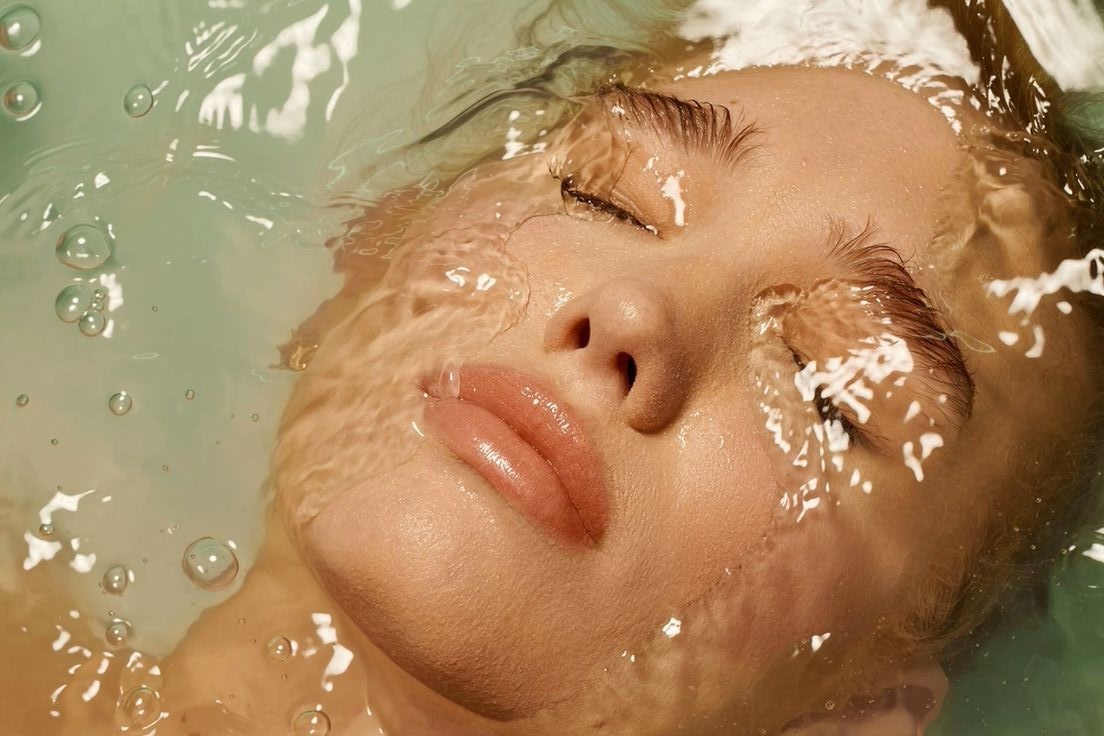
What Does It Really Mean When a Cosmetic “Hydrates” the Skin?
What does it really mean when a cosmetic product hydrates the skin? Learn how humectants, occlusives, emollients and barrier-supporting ingredients work together, and how skin hydration and water loss can be measured scientifically.

Controlled Release in Cosmetics: How Can Formulators Control the Release of Active Ingredients?
Controlled release technology can change how cosmetic active ingredients are delivered after application. Discover how microcapsules, polymeric microspheres, liposomes and silicone-based systems can protect actives, manage compatibility and control their release over time.

Surfactants in Cosmetics: Why They Do Far More Than Create Foam
Surfactants do far more than create foam. Discover how surfactants help cleanse, emulsify, wet, solubilise and stabilise cosmetic formulations, and why choosing the right surfactant system is critical for performance, mildness and skin feel.
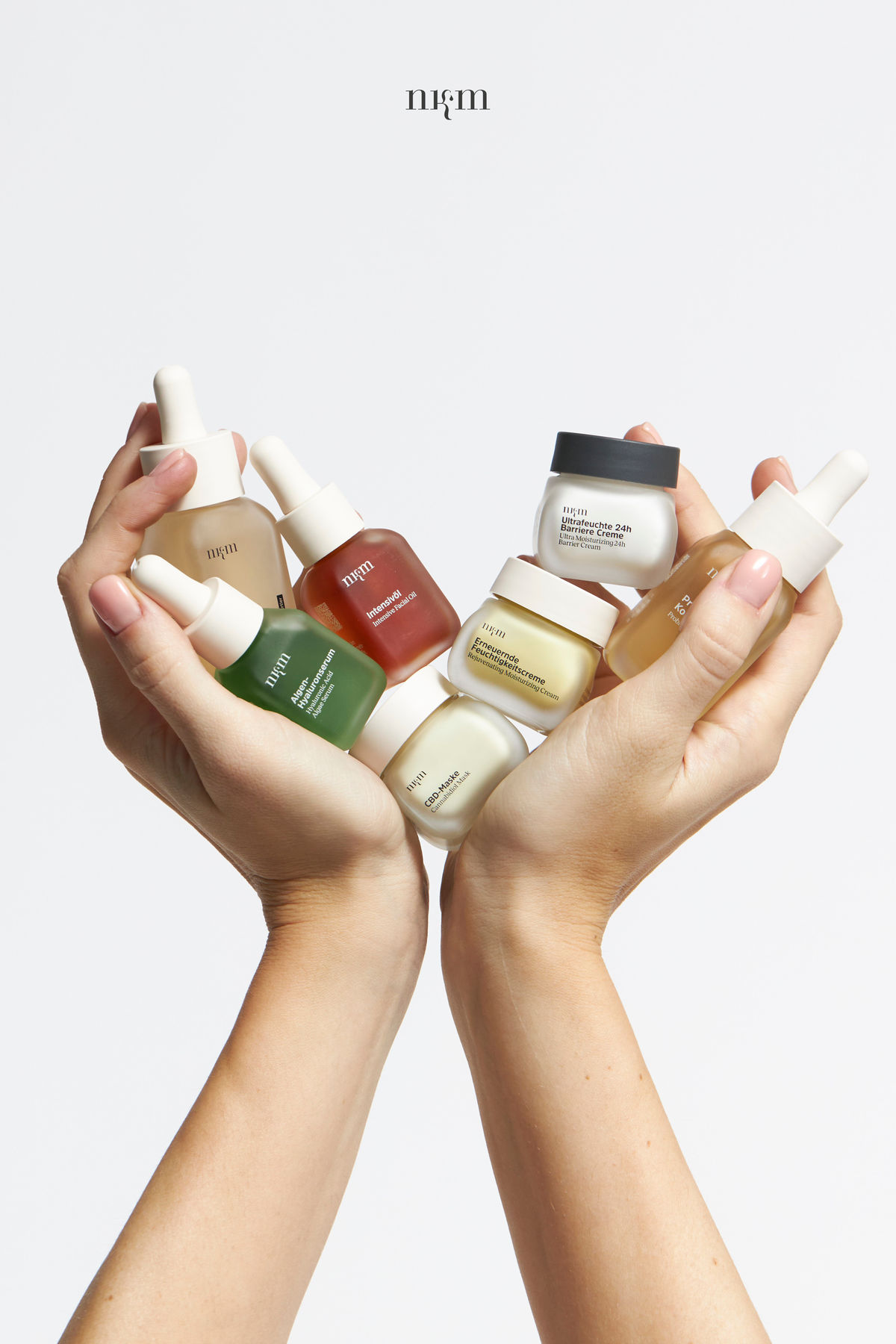
How Do You Prove That a Cosmetic Product Really Works? 6 Ways to Measure Cosmetic Efficacy
How can you prove that a cosmetic formula really works? Explore the role of stability testing, instrumental measurements, in vitro and clinical studies, sensory panels and consumer testing in evaluating cosmetic product efficacy.
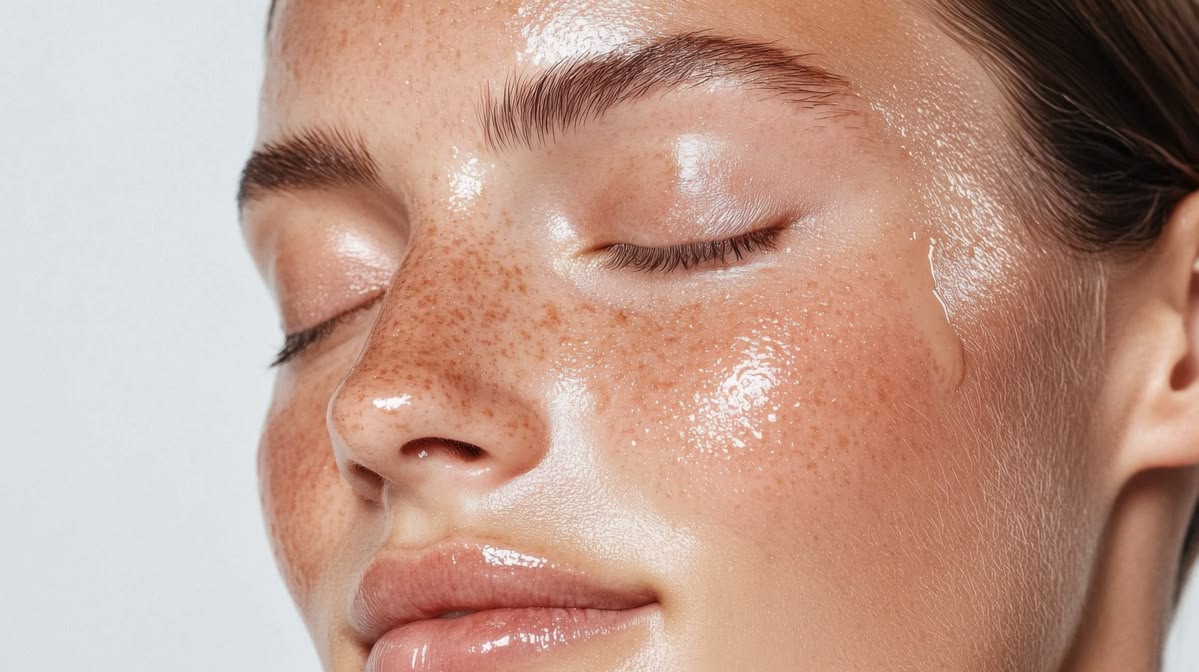
How Do Cosmetic Actives Reach the Right Layer of the Skin?
How does a cosmetic active ingredient reach the right layer of the skin? Explore the role of the stratum corneum, molecular properties, formulation design, emulsifiers, emollients and advanced delivery systems in cosmetic skin delivery.
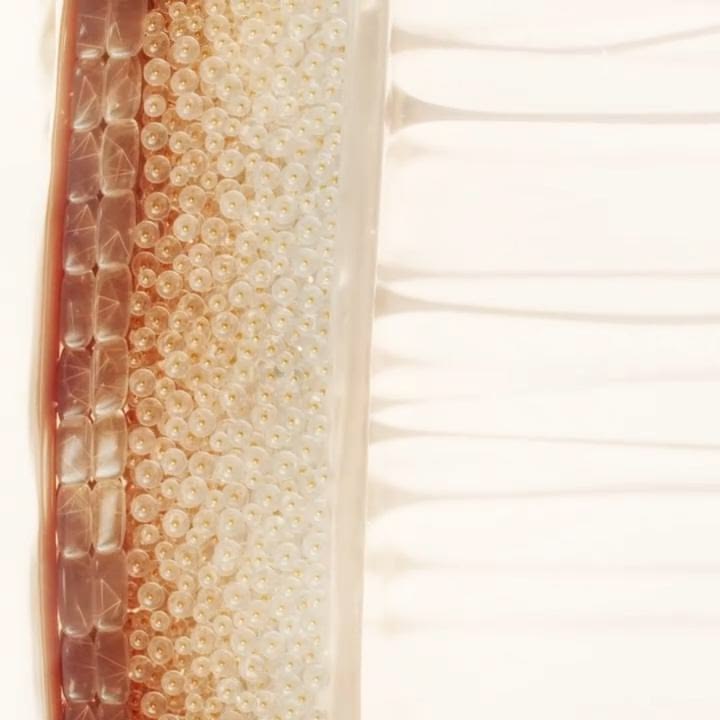
Microemulsion vs. Nanoemulsion vs. Conventional Emulsion: What’s the Difference?
Microemulsions, nanoemulsions and conventional emulsions may all combine oil and water, but their structures, stability and formulation requirements are very different. Learn how these three emulsion systems compare and how formulators decide which technology is right for a cosmetic product.
HLB Value in Cosmetic Formulation: Why This Number Matters When Developing a Stable Cream
What is HLB in cosmetic formulation? Learn how HLB values help formulators select emulsifiers and develop stable oil-in-water and water-in-oil cosmetic emulsions.
Why Do Cosmetic Products Change Over Time? The Science Behind Stability & Compatibility Testing
Discover why cosmetic products change over time and how stability and compatibility testing help ensure that a formula remains safe, effective, stable and compatible with its packaging throughout its intended shelf life.

PDRN in Skincare: What Is It and How Does It Work?
PDRN has rapidly become one of the most talked-about ingredients in modern skincare. But what exactly is PDRN, how does it work, and how much of the science behind injectable treatments can actually be applied to topical cosmetic products?
Legyen naprakész
Fedezze fel a tudás és az inspiráció világát - iratkozzon fel blogunkra, hogy exkluzív tartalmakat és izgalmas híreket kapjon a szépségipar világából!
A feliratkozás gombra kattintva megerősíti, hogy elfogadja Adatvédelmi Szabályzatunkat.
Thank you! Your submission has been received!
Oops! Something went wrong while submitting the form.