Blog

Korábbi bejegyzések
Cosmetic Emulsions: Formulation, Common Emulsifiers & Stability Insights
Discover how cosmetic emulsions are made and stabilized. Learn about key emulsifiers, emulsion types (O/W vs W/O), stability challenges, and the latest formulation innovations for creams and lotions.
How Much Does It Cost to Start a Skincare Brand in 2026?
Learn how to start a skincare brand in 2026—from market validation and product concept to custom formulation, testing, packaging, regulatory compliance, manufacturing, scale-up and launch. This practical guide also explains the commercial decisions and product-development risks founders need to understand before investing in their first skincare product.
How to Start a Skincare Brand in 2026: A Practical Guide
Learn how to start a skincare brand in 2026, from market research and product development to formulation, testing, EU regulations, packaging, manufacturing, Shopify, distribution and customer acquisition. This practical guide explains the real costs, decisions and risks involved in taking a skincare product from idea to market.
How to Find the Right Niche for a New Cosmetic Brand
A practical guide for new cosmetic brands on how to identify a profitable niche by combining customer needs, market gaps, differentiation, competitive analysis, and commercial potential.
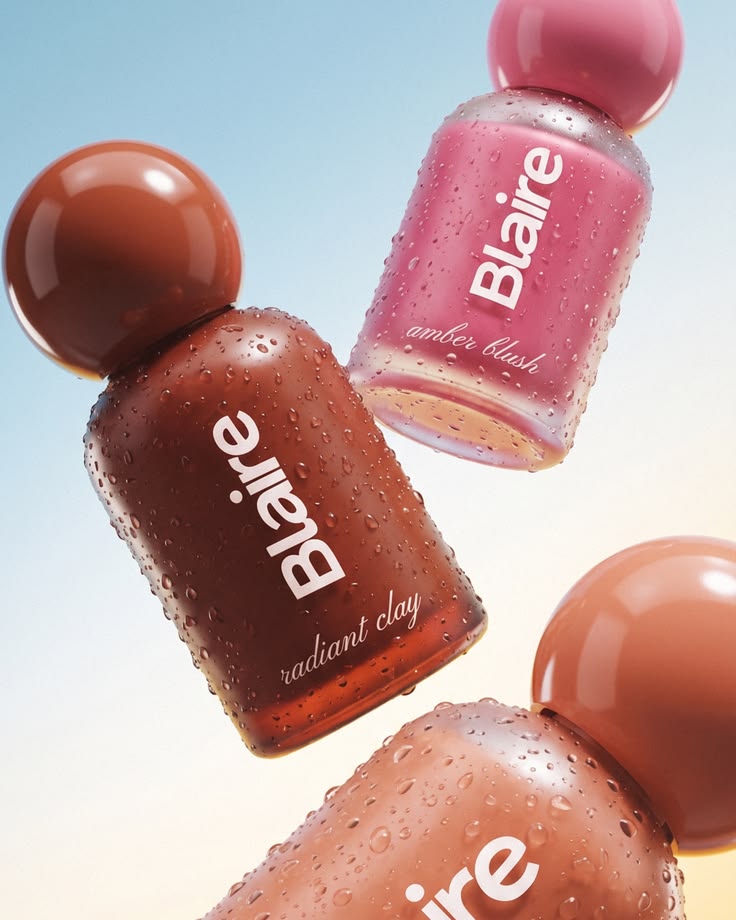
How Many Products Should a New Skincare Brand Launch With?
How many products should a new cosmetic brand launch with? Learn how to build a focused product portfolio by connecting customer needs, brand positioning, product strategy, commercial potential, risk and validation.

Is Your Cosmetic Brand Name Available? How to Check a Trademark Before Launching
Choosing a cosmetic brand name involves much more than finding an unused word. This guide explains how trademark searches, geographical protection, similar marks, goods and services, opposition periods and domain availability should be considered before launching a new cosmetic brand.
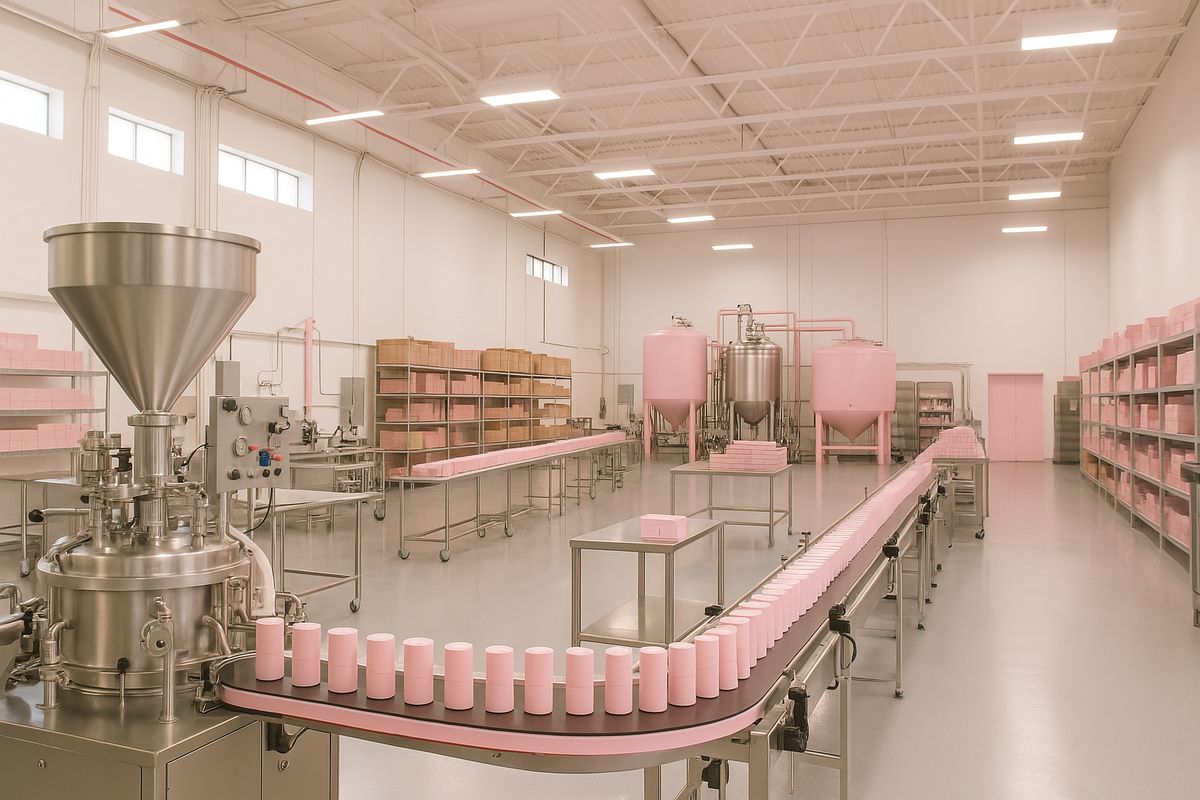
MOQ in Cosmetics: What Does Minimum Order Quantity Really Mean for Your New Brand?
What does MOQ mean in cosmetics, and how does it affect the cost of launching a new beauty brand? Learn about manufacturing, raw-material and packaging MOQ, and how to choose a realistic production strategy for your budget.
How Can You Know If a Cosmetic Formula Is Really Good Enough?
How can you know whether a cosmetic formula is truly ready for the market? Discover the three layers of product validation: user feedback, independent laboratory testing and professional safety and regulatory assessment.
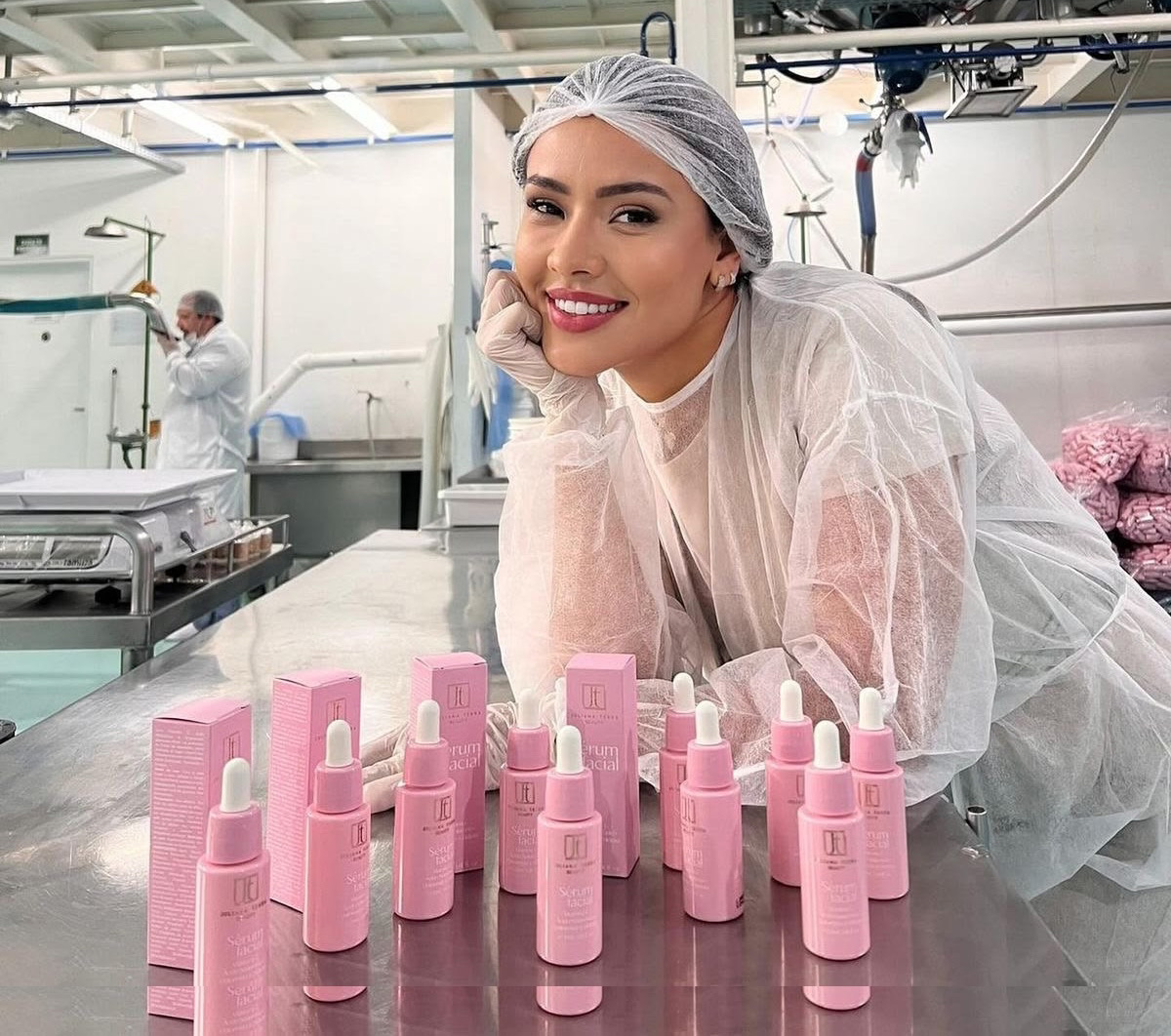
How Do We Ensure the Same Quality in Every Cosmetic Production Batch?
How do cosmetic manufacturers ensure that every production batch delivers the same quality? Discover how A&T Formulation establishes product specifications, monitors pH, viscosity, appearance and microbiological quality, and uses production data to control batch-to-batch consistency.
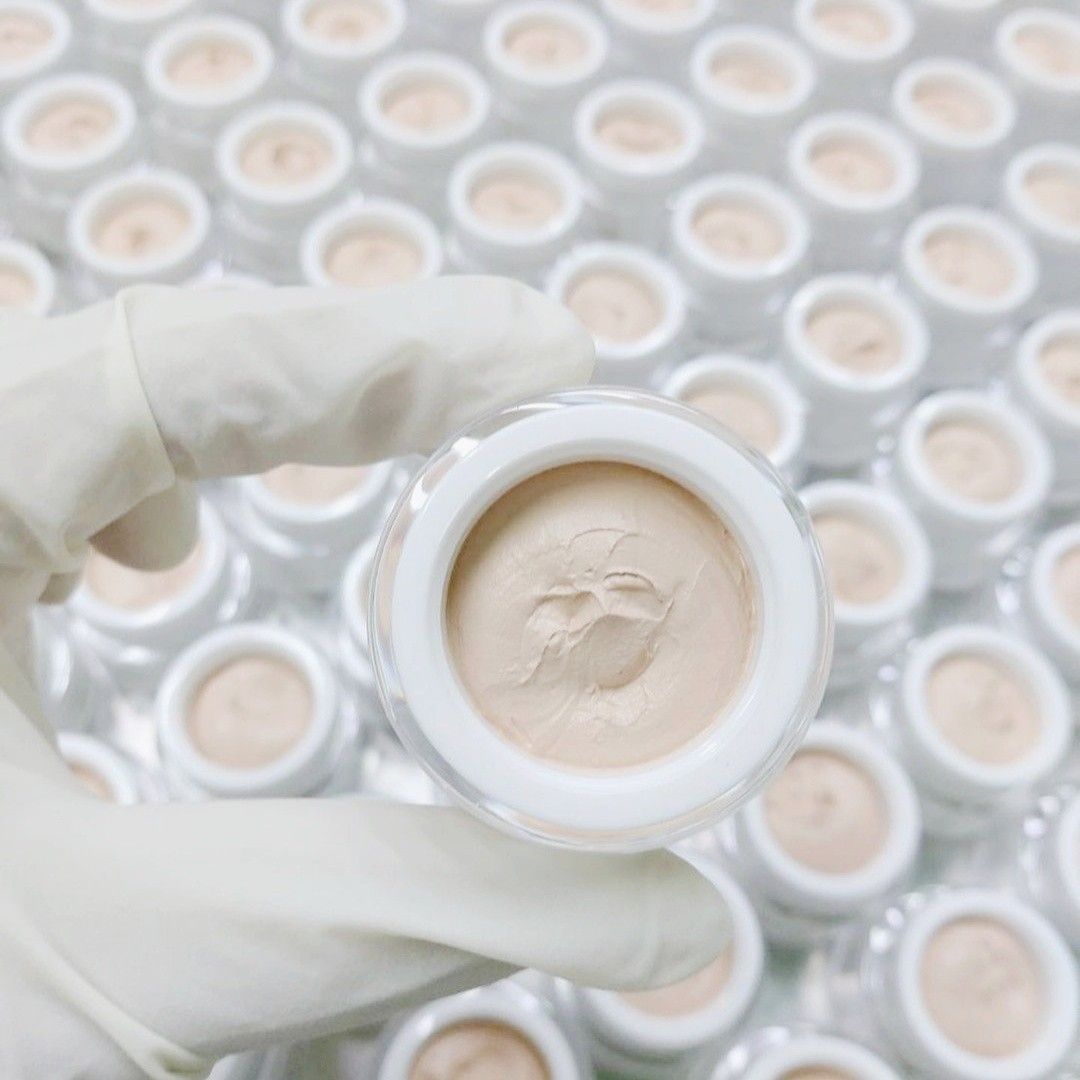
Why Your Laboratory Formula May Fail at Production Scale: The Importance of Cosmetic Scale-Up
Why can a cosmetic formula that works perfectly in the laboratory behave differently during commercial production? Learn how cosmetic scale-up manages differences in measurement, raw materials, equipment, mixing, heating and processing to reproduce the intended product reliably at manufacturing scale.
Legyen naprakész
Fedezze fel a tudás és az inspiráció világát - iratkozzon fel blogunkra, hogy exkluzív tartalmakat és izgalmas híreket kapjon a szépségipar világából!
A feliratkozás gombra kattintva megerősíti, hogy elfogadja Adatvédelmi Szabályzatunkat.
Thank you! Your submission has been received!
Oops! Something went wrong while submitting the form.