How to Build a Successful Cosmetic Business: The Ultimate Guide

How to Build a Successful Cosmetic Business: The Ultimate Guide
Everything they haven't told you about building a successful skincare brand.
Starting a skincare brand is exciting. You have an idea, you know what kind of products you want to create, and you can already picture your brand on the shelves. But there is a lot more to it than developing a good formula and putting your logo on a bottle.
After more than 20 years in the cosmetics industry, we've seen quite a few brands come and go. We've also seen what makes some projects work while others struggle, sometimes even before their first product reaches the market.
In this guide, we want to share some of the things that don't usually come up when people talk about starting a cosmetics business. Not just the usual advice about branding and marketing, but the practical things we've learned from working on real product development projects.
If you're thinking about starting a skincare brand in 2026, here are some things worth thinking about before you get started.
1. First, Take a Look at Yourself
When you start a cosmetics business, it's easy to focus almost entirely on the product. What will it look like? What will the formula contain? Which packaging should you use?
But the product is only one part of the business.
Once you get started, you'll also have to deal with finances, marketing, sales, HR, customer service and all the other things that come with running a company. Developing a great cream or serum doesn't automatically make you a good business owner.
So ask yourself: do you have the skills needed to run a business?
You don't have to know everything from day one. Nobody does. But you should be willing to learn and understand that these responsibilities will eventually become part of your everyday life.
If there are areas you're not familiar with, start working on them while your product is being developed. You'll have plenty of other things to think about once your brand launches.
2. Find Your Target Niche: What Problem Are You Solving?
This is something we pay a lot of attention to when meeting new clients.
After more than 20 years in the cosmetics industry, there are times when we can already get a pretty good idea of a brand's potential during the first meeting. Quite often, it comes down to the original idea.
Is there a real problem behind the product? Is there something interesting about the concept? Does it offer something that people might actually be looking for?
Having a strong idea, an interesting active ingredient or a product that addresses a particular concern can give you a real advantage.
Don't Assume Everyone Has the Same Problem as You
One mistake we see quite often is that people start with their own personal needs.
For example, someone might say: "My hair gets oily very quickly, and I really struggle with this. I'd love to develop a product that solves the problem."
Fair enough. But how many other people have the same problem? And, more importantly, how many of them would actually pay for a product that addresses it?
It might be a common concern, or you might simply be one of the few people experiencing it.
Remember, we're building a business here. It's not enough to find a problem. There needs to be enough paying demand for the solution.
If the potential customer group is too small, you may need to look for another opportunity. If there are enough people interested in the product and willing to spend money on it, you're in a much better position.
And don't get me wrong: your idea doesn't have to be revolutionary. You don't need to invent something nobody has ever seen before. Even a relatively simple product concept can work very well if there is a market for it. The important thing is knowing exactly what you're offering and who might buy it.
What Makes Your Brand Different?
The cosmetics market is crowded. Simply having a good product is no longer enough. You need to give people a reason to choose yours instead of the many other products already available.
This doesn't necessarily mean inventing a completely new type of product. Sometimes it's about finding a different angle, combining product benefits or approaching an existing market in a way that hasn't been done quite the same way before.
Take Re.Solve, a brand we developed, as an example.
The original idea came from research highlighting an interesting observation: many men secretly use their partners' cosmetics, but don't feel confident enough to go out and buy skincare products for themselves.
That was the starting point for the brand. Rather than simply creating another men's skincare range, we had a specific customer insight to build on.
Créem Organics started from a different place. The owner had been conducting clinical research into the effects of lavender for quite some time. The benefits of lavender were already well known, but the idea wasn't to create another typical lavender-based brand.
Instead, we developed a completely different product line, with a more modern look, a natural positioning and its own visual identity.
Both examples started with an idea, but the way we approached each brand was different.
3. Custom Formulation vs. Private Label: Think Beyond the Launch
You will come across plenty of companies advertising private label and white label cosmetics with promises like: "Start your own cosmetics business tomorrow!"
Of course, buying an existing formula and putting your own branding on it is a quicker way to get started. But have you ever stopped to think about what that means in a market where hundreds of other brands may be selling exactly the same product?
If your formula is identical to hundreds of others, what makes your product different? Why should someone choose your brand?
A custom-developed formula gives you much more room to create something of your own. You can work on the texture, fragrance, active ingredients and product benefits to create a product that actually fits your brand.
There is also the question of dependency on your manufacturer.
Let's say you build your entire business around a private label product. What happens if the manufacturer increases the price? Your margins may suddenly look very different. What if they decide to discontinue the product? You'll have to find another supplier and possibly start looking for a replacement formula.
With a custom formula, you have much more control over your product. At A&T Formulation, for example, intellectual property rights are transferred to the client in every project.
Of course, developing a custom formula takes more time and work. But if you're serious about building a brand that you want to grow over the years, it's certainly worth considering.
The formula itself, and its quality, will be one of the most important parts of your business.
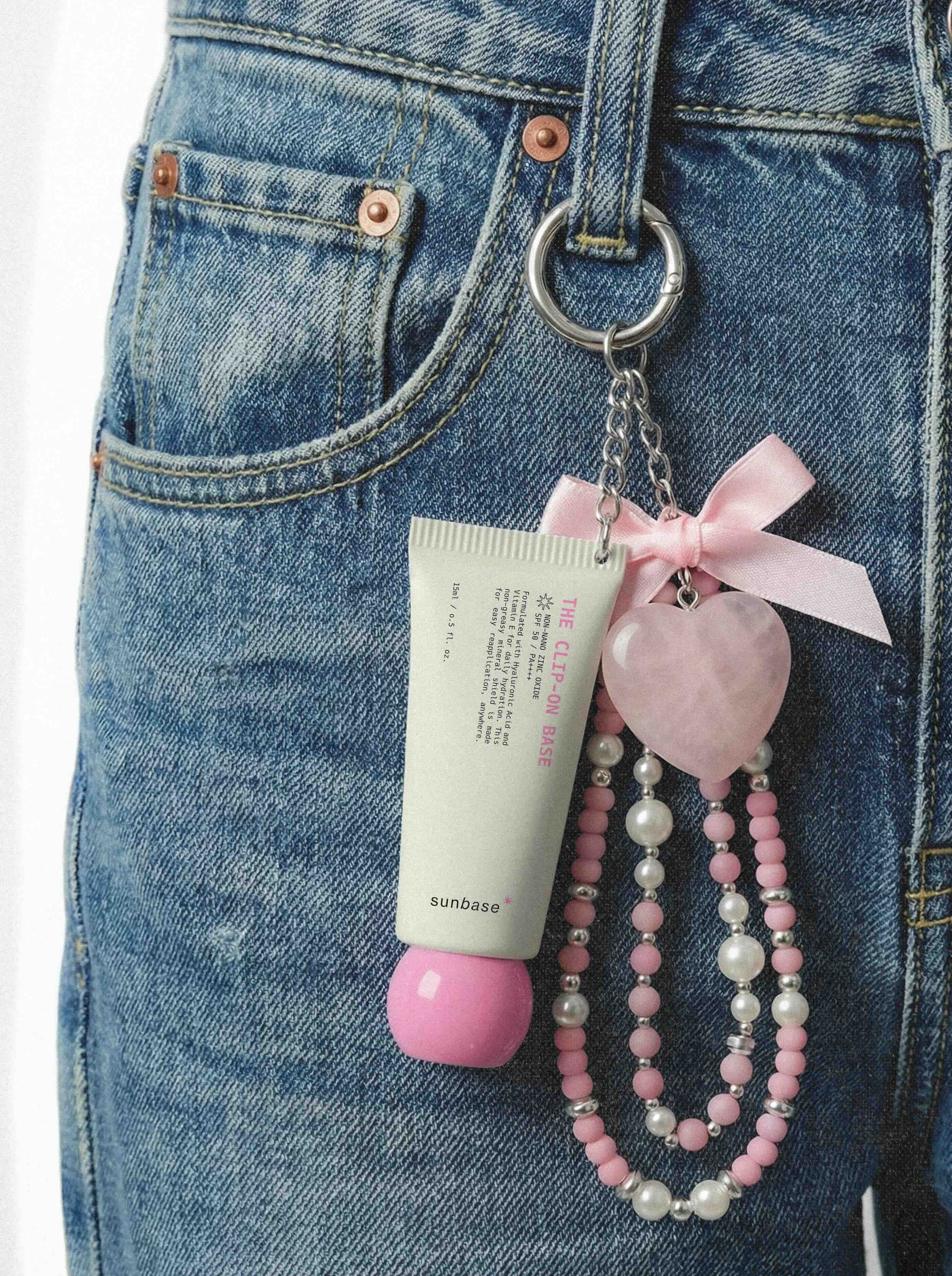
4. Packaging: Your Product Needs to Look the Part
Let's be honest: product appearance matters.
People increasingly discover and buy cosmetics online. They often see your product in a photograph or a video before they ever get the chance to hold it in their hands.
If the packaging doesn't look good in photographs, selling the product can become much harder. It's not impossible, but you're making things more difficult for yourself.
There is another side to this that many first-time brand owners don't realise.
If you only want to manufacture a few hundred units, getting completely customised packaging can be difficult. Packaging manufacturers often have minimum order quantities of around 5,000 units for custom printed or coloured packaging.
That's simply how the industry works.
So if having a distinctive appearance is important to your brand, you need to take these quantities into account when planning your budget.
Does this mean you can't start a brand without custom packaging? Absolutely not. There are other ways to achieve a good-looking result. You just need to plan your packaging strategy around the quantities you can afford.
5. Manufacturing: Why Small Quantities Can Be Expensive
We often meet people who want to manufacture 100, 200 or perhaps 500 units of a product.
I understand why. You're starting a new business, you don't know how well the product will sell, and you don't want to invest too much money upfront.
But there is something you need to understand about manufacturing: producing a small quantity isn't necessarily much cheaper than producing a larger one.
Preparing a production run involves quite a lot of work. Equipment needs to be prepared, ingredients need to be measured, production needs to be organised and the whole process needs to be managed.
A lot of these costs are there regardless of whether you produce 100 or 10,000 units.
That's why I generally recommend planning for at least 2,000 units per product. Below that, it can become difficult to make the numbers work.
Why Does a Small Production Run Cost More?
Think about it this way.
Imagine your daughter asks you to bake her a cookie. Would you bake just one cookie or a whole batch?
If you were making only one, would you be able to measure every ingredient accurately? Would all that preparation really be worth it for a single cookie?
It's a similar situation with cosmetics manufacturing.
Getting everything ready for production takes time and involves labour costs. These costs don't necessarily change much whether you're producing 100 or 10,000 units. On top of that, production losses tend to represent a larger percentage of the total when you're working with smaller quantities.
The same applies to raw materials and packaging. Smaller orders are generally more expensive per unit.
And don't forget to calculate how much money you'll actually make from selling a few hundred units. If the total revenue is relatively small, is it really worth going through the entire development and manufacturing process?
Another thing to consider is promotional stock. If you give away 200–300 products to influencers, partners or potential customers, a significant part of your initial production run is already gone.
You might find yourself thinking about the next production run much sooner than expected.
My advice is simple: treat manufacturing as a business decision, not just a way of getting your product made.
If you've decided to enter this market, take it seriously. Don't spend months experimenting without a clear plan. Starting a cosmetics business takes time and money, so it's worth approaching it with a proper commitment.
6. Brand Identity: Don't Try to Do Everything Yourself
We often meet people who have a friend who is a graphic designer, want to create their own brand identity or believe that AI can take care of the entire process.
Of course, you can do a lot of things yourself these days. But ask yourself an honest question.
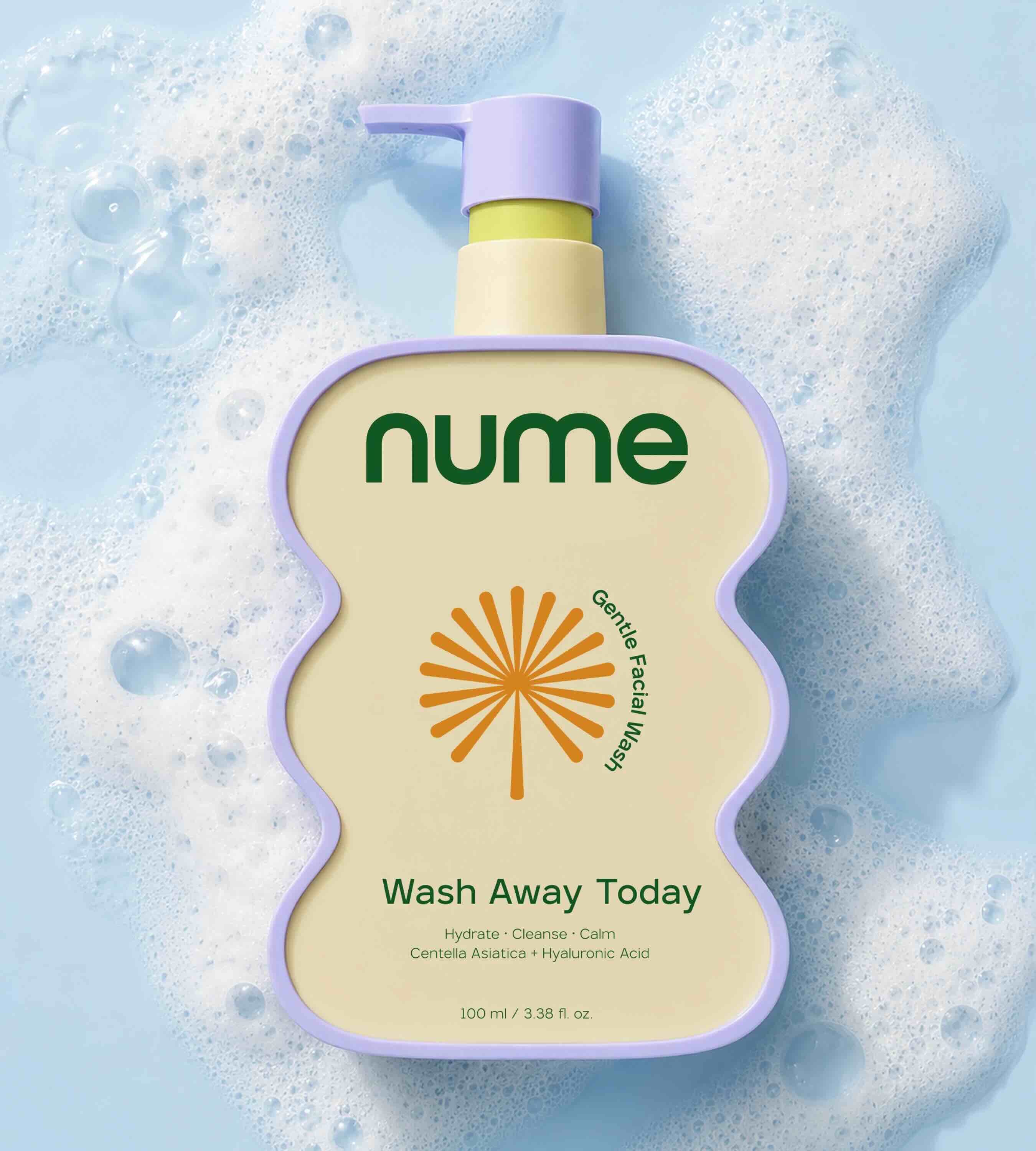
Does your brand look as good as Aesop, Estée Lauder, Drunk Elephant or Rhode? Does it have the same kind of visual appeal? Does it stand out? Would someone notice it among dozens of other skincare products?
If not, perhaps it's worth letting professionals handle this part.
Creating a successful skincare brand is about much more than designing a logo and choosing a nice colour palette. The packaging, typography, product photography and overall visual identity all need to work together.
There are people who spend their entire working day doing exactly this. They know what makes a brand look professional and how to create a visual identity that appeals to the right audience.
Use that expertise. You don't need to do everything yourself.
7. Pricing: Make Sure the Numbers Work
One thing we always recommend is leaving enough margin when setting your product prices.
Your selling price needs to cover much more than the manufacturing cost. You also have marketing, sales, warehousing, shipping and other business expenses to think about. And, of course, you want to make a profit.
At the same time, the price needs to make sense for your target market.
A good product shouldn't automatically be expensive just because you've invested a lot of time developing it. Equally, selling it too cheaply can leave you with very little room to grow.
Think about all the costs involved before deciding on your final price.
Legyen naprakész
Fedezze fel a tudás és az inspiráció világát - iratkozzon fel blogunkra, hogy exkluzív tartalmakat és izgalmas híreket kapjon a szépségipar világából!
8. Product Size: Think About How Long Your Product Will Last
This is another decision that people often make based on their own preferences.
When choosing the size of a skincare product, some people think bigger is always better. They want to offer customers as much product as possible because, naturally, customers appreciate getting more for their money.
And there's nothing wrong with that. But there's also a business side to consider.
Think about how long it will take someone to use your product.
You probably don't want a customer to buy a face cream and still be using the same jar two years later. From a business perspective, you'd rather have them come back and purchase another one after a few months.
On the other hand, you don't want to make the product so small that it runs out after just a few uses. And you certainly don't want customers buying more than they can realistically use before the product expires.
It's about finding the right balance.
Think about the way people will actually use your product, how often they'll need to buy it again and what makes sense for your business in the long run.
9. Marketing: Don't Rely Only on the Usual Channels
When planning your budget, make sure you put some money aside for marketing. No matter how good your product is, people need to know it exists.
Most brands today focus on the same channels: social media, PPC advertising, influencer marketing and other online activities.
These channels can work very well, but they can also become expensive, especially when you're just starting out.
So why not look beyond the usual options?
Look for Other Ways to Reach Customers
Try to find opportunities that don't require you to spend large amounts of money upfront.
For example, you could work with influencers on a performance-based arrangement rather than paying large fixed fees.
If you're working with a marketing agency, take a close look at the agreement. Are there any performance guarantees? What exactly are you paying for? Don't simply keep pouring money into advertising without understanding what you're getting in return.
Don't Forget About Offline Marketing
There are plenty of opportunities to introduce your products to people outside the online world.
Think about places where your target customers already spend their time.
You could approach:
- Retail stores that sell similar products.
- Pilates and fitness studios.
- Exhibitions and trade shows.
- Events and local markets.
- Other brands for collaborations.
- Businesses looking for sponsorship partners.
Look for opportunities to get your product in front of people without necessarily paying for traditional advertising.
It could be a local market or a luxury event. What matters is choosing the right environment.
A luxury skincare brand probably shouldn't be promoting itself at a local farmers' market. Equally, a small handmade cosmetics brand might not be the obvious fit for a high-end fashion show.
Think about where your customers are, what they are interested in and where they would naturally come across your product.
Sometimes a good partnership or the right event can introduce your brand to people who would never have found you through an online advertisement.
When Is Starting Your Own Cosmetics Brand a No-Brainer?
If I were in your position, I wouldn't think twice about it if I already had a personal connection with my potential customers.
What do I mean by that?
Perhaps you're a beauty therapist who can personally recommend your products to your clients. Or a dermatologist who can offer the products in your own clinic, developed according to your ideas and professional experience.
Maybe you're an influencer with an audience that could benefit from the products you want to create. Perhaps you own a shop where you can sell your products, or you have business connections that could help you get them into other retail locations, such as hotels.
You might even know some great local craft markets or events where you can showcase your products and meet potential customers face to face.
I think you get the idea. Having direct access to your potential customers gives you a real advantage when launching a cosmetics brand. If you already have a place, a network or an audience where you can introduce your products, you're in a much stronger position to get started.
10. Project Management: Let the Professionals Do Their Job
It's understandable that brand owners want to be involved in every part of the development process. After all, it's their idea, their money and their product.
But cosmetic product development is a profession in its own right.
There are technical considerations, potential risks and things that need to be assessed properly. Not every decision is as straightforward as it might seem from the outside.
Our job is to guide you through the process, keep you informed and make sure you understand what's happening.
At the same time, we need you to trust us with the technical work and the decisions that require specialist knowledge.
We'll involve you where your input is needed, but there are certain things that are simply better left to the people who work with product development every day.
11. Shipping and Warehousing: When Should You Use a Fulfilment Centre?
When you're just starting out, packing and shipping your own orders can make perfect sense.
You probably don't have many orders yet, and handling everything yourself is relatively straightforward.
But what happens when your business starts growing?
Packing orders takes time. As the number of daily orders increases, it can quickly turn into a job in itself.
There is also the question of shipping costs.
A small business shipping a limited number of parcels will often pay more per shipment than a fulfilment centre that sends out thousands of products every day.
This means that using a fulfilment centre can sometimes be cheaper overall, even when you take the service fees into account.
Of course, this may not be an option from day one. Some fulfilment providers require a certain level of order volume before they'll work with you.
But once you start seeing consistent growth, it's worth looking into. You might find that outsourcing fulfilment saves you both time and money.
12. How Many Products Should You Launch With?
When planning your first product range, my advice is to start with what your budget allows.
It's easy to get carried away. You start imagining your brand with 15 or 20 different products, and suddenly you want to develop everything at once.
And yes, having a larger product range can be great. But can you actually afford to manufacture all those products?
If not, there's no point in planning something that isn't realistic financially.
You might start with one product, two, three, four or five. It really depends on your budget and what you want to achieve.
Try to Offer a Complete Skincare Routine
When deciding which products to launch, I generally recommend thinking about a complete routine rather than individual products.
For example, you could start with a single hero product that addresses a specific problem.
Or you could offer two products, such as a cleanser and a face cream.
With three products, you might have a cleanser, a serum and a face cream.
With four, perhaps a cleanser, a mask, a serum and a face cream.
For a haircare brand, it could be a shampoo, conditioner and hair oil.
You get the idea. Try to give customers products that work well together and can become part of the same routine.
Think About What Happens After the First Purchase
There is another reason why I think this is worth considering: repeat purchases.
We're building a business, and naturally, we want customers to come back.
Imagine you launch with just one product. A customer buys it, loves it and wants to purchase something else from your brand. But there is nothing else to offer.
Developing a new product takes time, so you can't simply add another one overnight.
If you launch with three products, the situation is different. You might have one product that attracts customers initially, but once they've tried it, they can come back and discover the other products in your range.
This gives you the opportunity to increase the average order value and generate more revenue from each customer.
And think about it: acquiring a new customer takes effort and money. If someone already knows your brand, likes your products and trusts what you offer, you have a much better chance of selling to them again.
So don't just think about the first sale. Think about what happens afterwards.
Build your brand with the expectation that people will enjoy your products, come back for more and recommend them to others. You've put a lot of work into developing something good. Now give your customers a reason to keep coming back.
Interested in Starting Your Own Cosmetics Brand?
Did you find this article interesting? If you're thinking about launching your own cosmetics brand, we'd love to hear about your idea and discuss how we could help bring it to life.
Book a free meeting with our team and let's talk about your project.
Kapcsolódó bejegyzések
AI Formulas: The Future of Skincare?