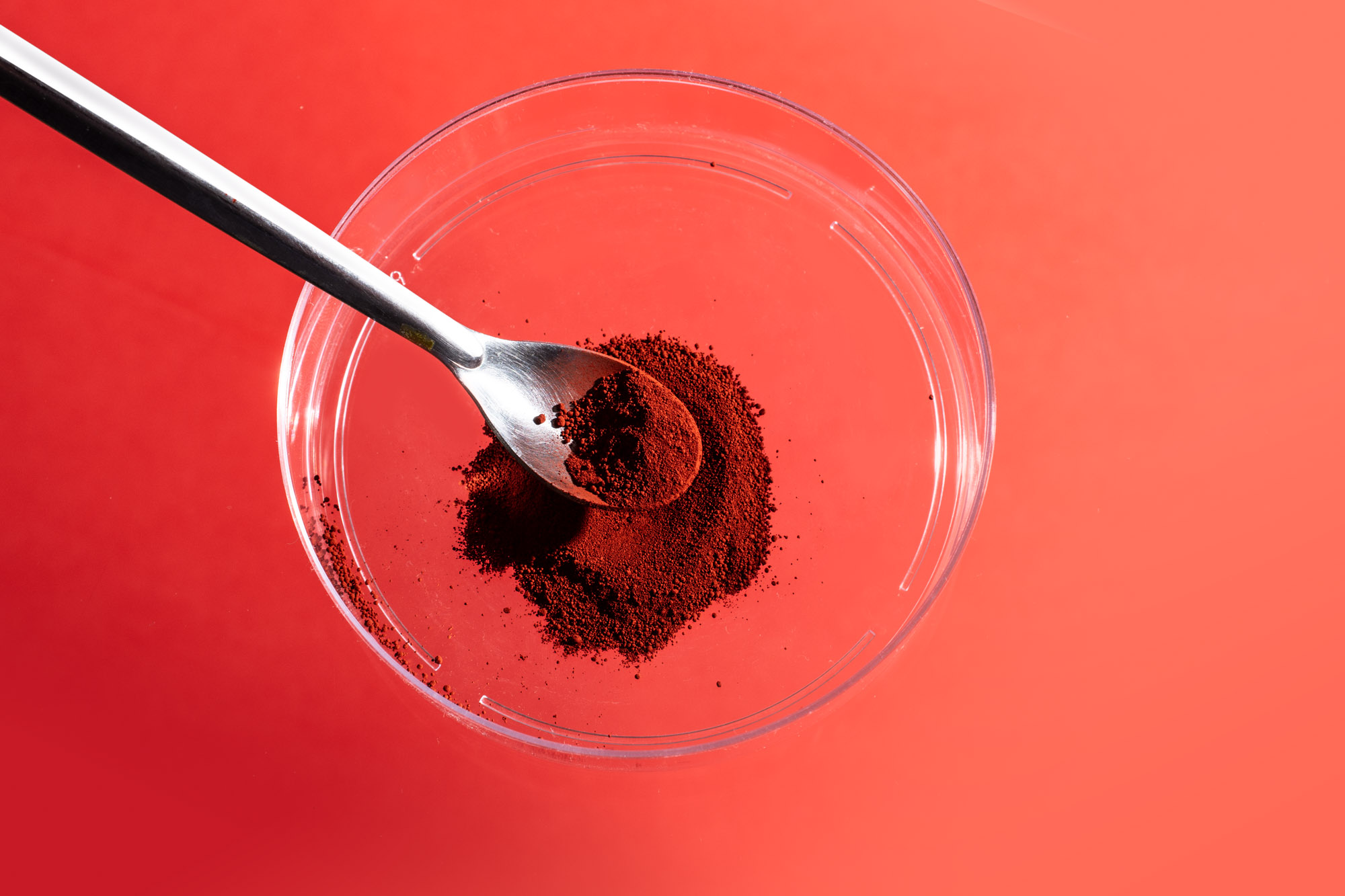
Glutamic acid

Glutamic acid

Glutamic acid is a naturally occurring acidic amino acid that forms part of proteins and peptides. It is also an important component of the amino acid pool present in the skin's Natural Moisturizing Factor (NMF).

Glutamic acid contains two carboxylic acid groups and one amino group. In aqueous systems, it can exist in different ionic forms depending on the pH.

INCI Name: Glutamic Acid
CAS Number: 56-86-0
EINECS Number: 200-293-7
Molecular Formula: C5H9NO4
Molecular Weight: 147.13 g/mol
Chemical Class: Amino Acid
Function: Humectant, Antistatic, Skin Conditioning Agent

Role in the Skin

Glutamic acid is one of the amino acids naturally present in the skin and contributes to the skin's Natural Moisturizing Factor. NMF is a mixture of water-soluble substances, including free amino acids, amino acid derivatives, lactate, urea and other components that help the stratum corneum retain water.

Because of this physiological relationship, glutamic acid and other amino acids are of interest in moisturizing and skin-conditioning formulations.

Topically applied glutamic acid can contribute to the water-binding properties of a formulation, although the performance of a finished cosmetic product depends on the complete formulation rather than on the presence of a single NMF-related ingredient.

Cosmetic Applications

Glutamic acid and glutamate-derived ingredients are used in a wide range of cosmetic and personal care products.

Applications include skincare products, haircare products, bath products, eye makeup and tanning products.

Glutamic acid can be used in moisturizing formulations where its humectant properties are desirable. It can also be incorporated into amino-acid-based moisturizing systems designed to mimic or complement components of the skin's Natural Moisturizing Factor.

Humectant Properties

Glutamic acid can contribute to the hydration of the skin through its ability to interact with water. As an amino acid naturally associated with the NMF, it is particularly relevant to formulations designed to support skin hydration and improve the sensation of dryness.

Its use can be especially relevant in moisturizing products intended for daily use, where amino acids are combined with other water-binding substances such as urea, sugars and other NMF-related components.

Hair Care

Glutamic acid and glutamate-derived ingredients can also be used in haircare formulations.

Amino acids can contribute to hair conditioning and may help improve the feel, flexibility and manageability of the hair. Glutamic acid can be incorporated into moisturizing systems intended to increase the water content and improve the conditioning characteristics of hair.

The performance of the ingredient depends on the formulation and on the interaction between the amino acid and the hair fiber.

Glutamate Derivatives

Glutamic acid is chemically related to several other ingredients used in cosmetics.

Sodium Glutamate is the sodium salt of glutamic acid. Zinc Glutamate is a zinc salt of glutamic acid. Polyglutamic Acid is a polymer composed of glutamic acid units, while Sodium Polyglutamate is the corresponding sodium salt.

These materials should not be considered interchangeable with Glutamic Acid. Their molecular structures, physicochemical properties, formulation behavior and cosmetic functions can differ substantially.

This distinction is particularly important when selecting an ingredient for a formulation because a specification for Glutamic Acid does not describe the properties or performance of Polyglutamic Acid or its salts.

Natural Moisturizing Factor

Glutamic acid is particularly relevant to cosmetic formulations because amino acids are naturally present in the skin's Natural Moisturizing Factor.

The NMF is not a single substance but a complex mixture of low-molecular-weight, water-soluble compounds located primarily within the stratum corneum. These substances help maintain hydration and support the physical properties of the skin barrier.

Formulations containing glutamic acid alongside other amino acids, urea and carbohydrates can therefore be designed to provide an NMF-inspired moisturizing system.

Formulation Example

Commercial moisturizing complexes may combine glutamic acid with other amino acids, urea and mono- and disaccharides to create an NMF-inspired moisturizing system.

One example described in the supplied source is Hygroplex™ HHG, which contains urea, dextrin, fructose, glucose, sucrose, alanine, glutamic acid and aspartic acid. The system is designed to support moisturization and smoothing of the skin and to increase the water content and elasticity of hair.

The finished formulation should be evaluated according to the specific supplier's recommended use level, compatibility requirements and technical documentation.

Formulation Considerations

Glutamic acid is water soluble and is therefore generally suitable for incorporation into the aqueous phase of cosmetic formulations.

Because glutamic acid is an ionizable molecule, formulation pH can influence its ionic state and its behavior within the formulation. The final pH should therefore be considered when combining glutamic acid with other ingredients.

Compatibility with preservatives, electrolytes, active ingredients and other components should be evaluated during formulation development.

When using a commercial glutamate-based moisturizing complex rather than pure Glutamic Acid, the supplier's technical documentation should be followed because the formulation characteristics and recommended use levels may differ.

Stability

The stability of glutamic acid in a finished formulation depends on factors including pH, temperature, water content and interactions with other ingredients.

Amino acid-containing formulations should undergo appropriate stability testing to monitor changes in appearance, odor, pH, viscosity and other relevant quality parameters throughout the intended shelf life.

Safety

Glutamic acid is a naturally occurring amino acid and is also present in many proteins and foods.

The U.S. Food and Drug Administration considers glutamic acid a multiple-purpose substance Generally Recognized as Safe (GRAS) for appropriate food uses. Monosodium glutamate, the sodium salt of glutamic acid, is also recognized by the FDA as a GRAS food ingredient when used in accordance with applicable requirements.

Food-use safety status should not automatically be interpreted as a complete safety assessment for a particular cosmetic formulation. The safety of the finished cosmetic product depends on concentration, exposure, formulation type and intended use.

Toxicological Information

Historical acute oral toxicity data report an LD50 of approximately 15,800 mg/kg body weight in rats and 16,400 mg/kg in mice.

These values indicate relatively low acute oral toxicity in the tested animal models. They should not, however, be interpreted as cosmetic use levels or as a direct measure of the safety of topical exposure.

A specific NOAEL for topical cosmetic exposure is not provided in the supplied source and should not be inferred from the LD50 values.

Regulatory Considerations

Glutamic acid has established uses in both food and cosmetic applications. Regulatory requirements for its use in cosmetics depend on the target market and the intended product.

The U.S. FDA lists glutamic acid as a multiple-purpose GRAS food substance and recognizes sodium glutamate as a GRAS food ingredient under applicable conditions.

For cosmetic product development, the regulatory status, ingredient specification and intended claims should be verified for the target market.

References

Dweck, Anthony. Handbook of Natural Ingredients. Dweck Books.

U.S. Food and Drug Administration. Substances Generally Recognized as Safe (GRAS).

European Commission. CosIng – Cosmetic Ingredients Database.

National Center for Biotechnology Information. PubChem – Glutamic Acid.

National Center for Biotechnology Information. PubMed – Glutamic Acid, Natural Moisturizing Factor and skin hydration.

Ashland. Hygroplex™ HHG – Technical Information.

Kapcsolat

Thank you! Your submission has been received!
Oops! Something went wrong while submitting the form.
Töltse ki projekt kérdőívünket

Ez segít nekünk abban, hogy jobban megismerjük Önt és a projektjét, és a legmegfelelőbb csapatot állítsuk össze Önnek. A kérdőív kifejezetten akkor hasznos, ha már konkrét elképzelései vannak leendő termékeiről.

Foglaljon időpontot

További kérdései vannak? Foglaljon egy 30 perces ingyenes konzultációt vállalatunk egyik alapítójával.